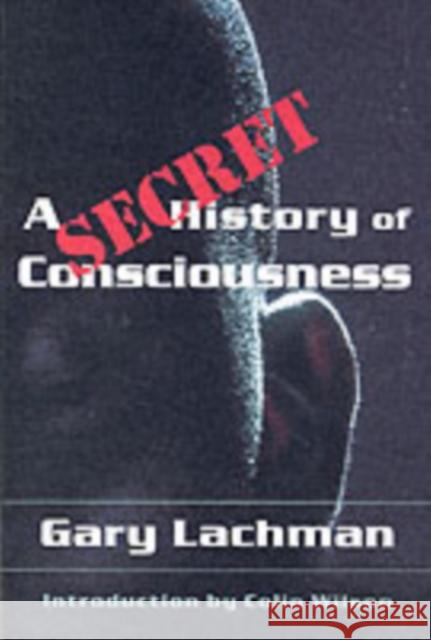
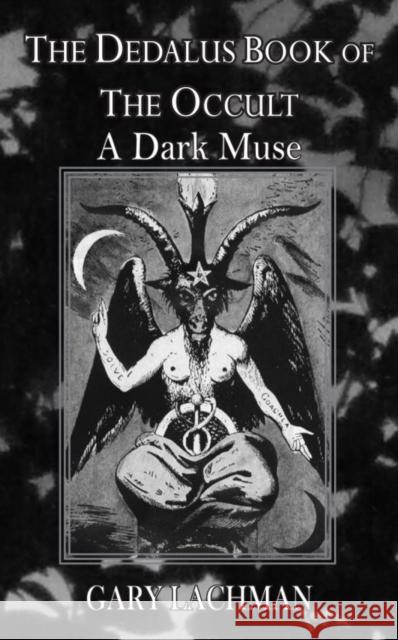
For the last four centuries, science has tried to account for everything in terms of atoms and molecules and the physical laws they adhere to. Recently, this effort was extended to try to include the inner world of human beings. Gary Lachman argues that this view of consciousness is misguided and unfounded. He points to another approach to the study and exploration of consciousness that erupted into public awareness in the late 1800s. In this "secret history of consciousness," consciousness is seen not as a result of neurons and molecules, but as responsible for them; meaning is not imported...
For the last four centuries, science has tried to account for everything in terms of atoms and molecules and the physical laws they adhere to. Recentl...
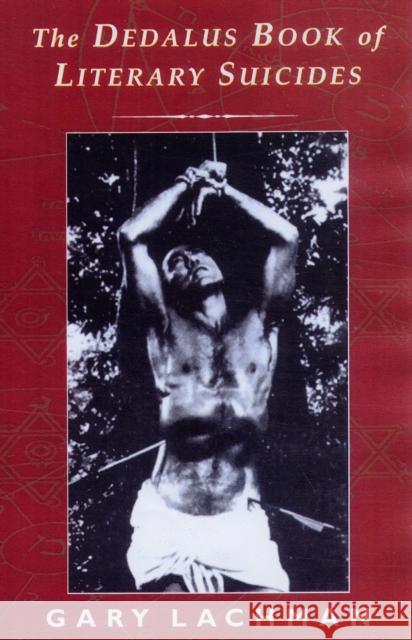
Writers have been killing themselves for centuries. From Petronius in ancient Rome to the 20th Century Japanese novelist Yukio Mishima, writers, more than any other kind of artist, have taken their own lives in an extraordinary number of ways. With bullets, poison, drugs and swords, poets, playwrights, novelists and philosophers have sent themselves off into the big sleep. Others, one step shy of that last exit, have made great literature about the urge to self-destruction. For the first time, Gary Lachman investigates the many links between self-death and the written word, bringing together...
Writers have been killing themselves for centuries. From Petronius in ancient Rome to the 20th Century Japanese novelist Yukio Mishima, writers, more ...
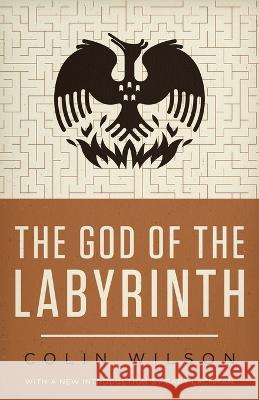
From the sands of Alexandria via the Renaissance palaces of the Medicis to our own time, this spiritual adventure story traces the profound influence of Hermes Trismegistus--the "thrice-great one"--on the Western mind. For centuries, his name ranked among the most illustrious of the ancient world.
Considered by some a contemporary of Moses and a forerunner of Christ, this almost mythical figure arose in Alexandria during the fourth century B.C. from a fusion of the Egyptian god Thoth and the Greek god Hermes. Master of magic, writing, science, and philosophy, Hermes was thought to have...
From the sands of Alexandria via the Renaissance palaces of the Medicis to our own time, this spiritual adventure story traces the profound influence ...
'He writes a clear, light prose, and he makes his interests, however bizarre, seem important.' - "Punch" 'One of the more earnest and interesting writers of his generation.' - "The Guardian" 'He has the kind of story-telling power which could charm the birds off the trees.' - "The Journal" (Newcastle upon Tyne) Gerard Sorme has been hired by a New York publisher to edit a book on Esmond Donelly, notorious 18th-century Irish rake, friend of Rousseau, Boswell and Horace Walpole, and author of a bawdy work on the deflowering of virgins. Sorme's quest for information on Donelly...
'He writes a clear, light prose, and he makes his interests, however bizarre, seem important.' - "Punch" 'One of the more earnest and interesting...
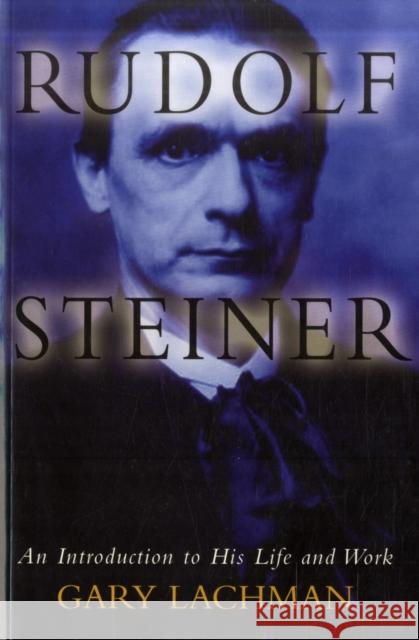
Rudolf Steiner - educator, architect, artist, philosopher and agriculturalist - ranks amongst the most creative and prolific figures of the early twentieth century. Yet he remains a mystery to most people. This is the biography of the man behind the ideas, written by a sympathetic but critical outsider.
Rudolf Steiner - educator, architect, artist, philosopher and agriculturalist - ranks amongst the most creative and prolific figures of the early twen...
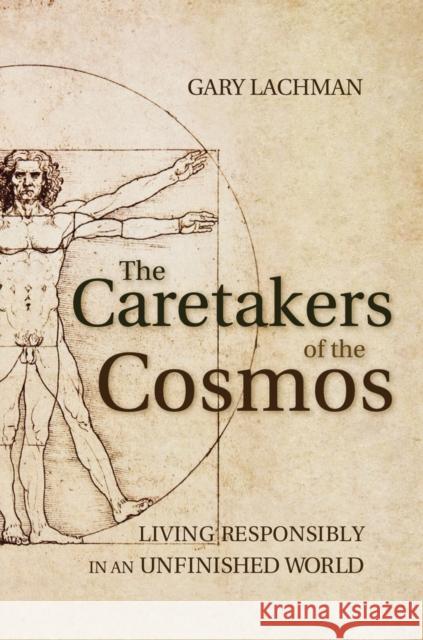
Why are we here? Human beings have asked themselves this question for centuries. Modern science largely argues that human beings are chance products of a purposeless universe, but other traditions believe humanity has an essential role and responsibility in creation.
Lachman brings together many strands of esoteric, spiritual, and philosophical thought to form a counter-argument to the nihilism that permeates the twenty-first century. Offering a radical alternative to postmodern apathy, he argues that we humans are indeed the "caretakers" of the universe, entrusted with a daunting...
Why are we here? Human beings have asked themselves this question for centuries. Modern science largely argues that human beings are chance products o...
Explores the world of human imagination, and shows how, far from it being about 'make believe', imagination is an essential way that we engage with reality.
Explores the world of human imagination, and shows how, far from it being about 'make believe', imagination is an essential way that we engage with re...