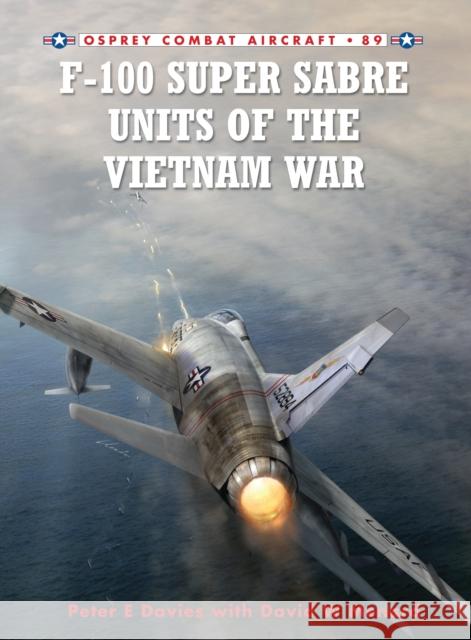
Osprey's examination of the F-100 Super Sabre Units' participation in the Vietnam War (1955-1975). While the F-105 Thunderchief and F-4 Phantom flew the majority of the fighter-bomber missions over North Vietnam, the Thunderchief's service predecessor, the F-100 Super Sabre stayed on to fight the air war in South Vietnam until June 1971. Although it was designed as an air defence fighter, and was later given nuclear capability as the mainstay of Tactical Air Command's deterrent posture, it was the F-100's toughness, adaptability and reliability that made it ideally suited to the incessant...
Osprey's examination of the F-100 Super Sabre Units' participation in the Vietnam War (1955-1975). While the F-105 Thunderchief and F-4 Phantom flew t...
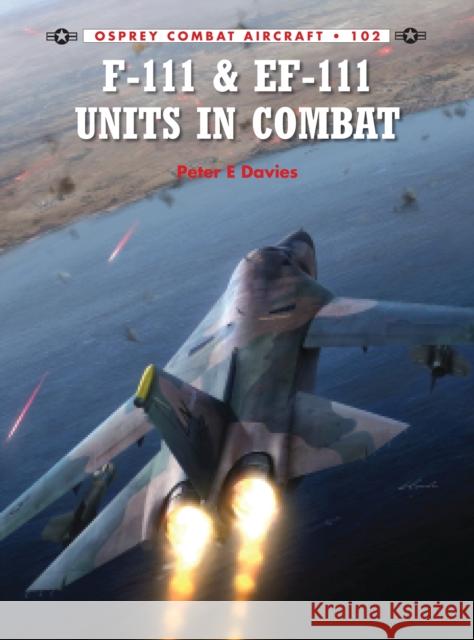
The General Dynamics F-111 was one of the most technically innovative designs among military aircraft, introducing the variable-sweep wing, terrain-following radar, military-rated afterburning turbofan engines and a self-contained escape module among other features. Designed as a cost-saving, multi-role interceptor, naval fighter and strike bomber, its evolution prioritised the latter role and it became the USAF's most effective long-range strike aircraft during three decades of service. Rushed into combat in Vietnam before some of its structural issues were fully understood, the type...
The General Dynamics F-111 was one of the most technically innovative designs among military aircraft, introducing the variable-sweep wing, terrain...
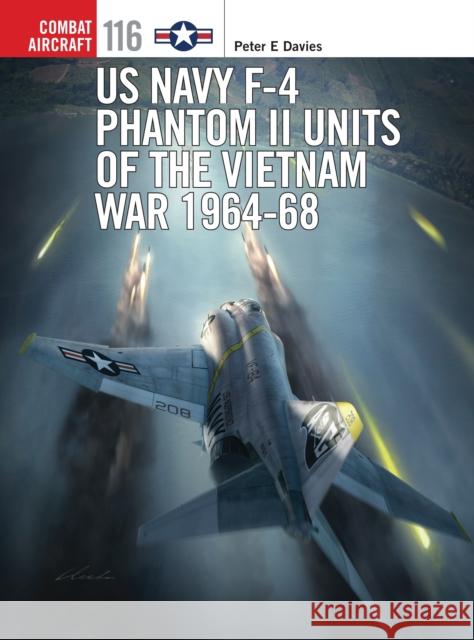
The F-4 Phantom II is perhaps the most famous postwar fighter. Primarily used as a land-based fighter-bomber and reconnaissance platform, its legend is owed to its naval origins and the immense contribution its original carrier-based versions made to the U.S. war effort in Vietnam.
This title examines the unique aspects of the Phantom that made it so crucial to U.S. Navy pilots during the Vietnam War: its massive engine power, long range, speed, the most powerful airborne search and fire-control radar installed in a fighter at the time, and, of course, its versatility as a ground...
The F-4 Phantom II is perhaps the most famous postwar fighter. Primarily used as a land-based fighter-bomber and reconnaissance platform, its legen...
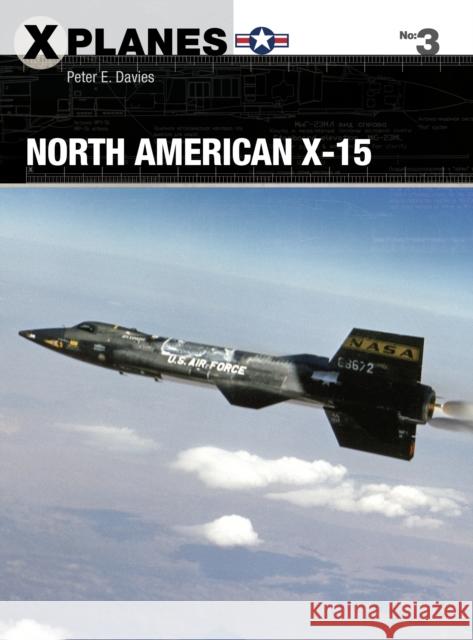
The revolutionary X-15 remains the fastest manned aircraft ever to fly. Built in in the two decades following World War II, it was the most successful of the high-speed X-planes. The only recently broken 'sound barrier' was smashed completely by the X-15, which could hit Mach 6.7 and soar to altitudes above 350,000ft, beyond the edge of space. Several pilots qualified as astronauts by flying above 50 miles altitude in the X-15, including Neil Armstrong, the first man on the Moon. The three X-15s made 199 flights, testing new technologies and techniques which greatly eased America's entry into...
The revolutionary X-15 remains the fastest manned aircraft ever to fly. Built in in the two decades following World War II, it was the most successful...
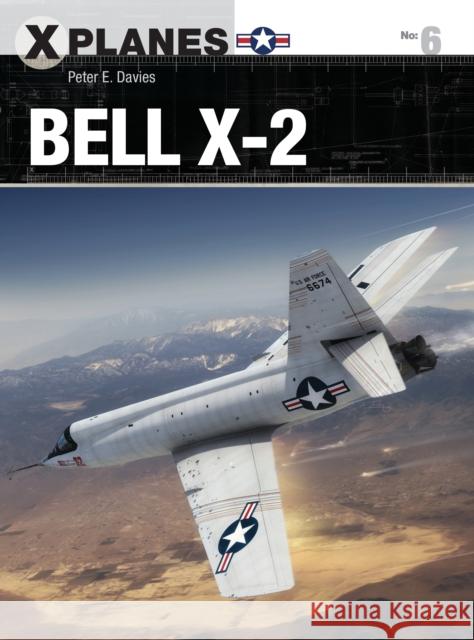
Even before the spectacular success of its X-1 rocket-powered aircraft in breaking the "sound barrier," the adventurous Bell Aircraft Corporation was already pushing ahead with a parallel project to build a second aircraft capable of far higher speeds. The X-2 (or Model 52) explored the equally uncertain technology of swept-back wings. Now common in modern conventional fighter aircraft, the Bell X-2 revolutionary in using this type of airframe to probe Mach 3 and research the effects of extreme aerodynamic friction heat on airframes.
Although both X-2s were destroyed in crashes...
Even before the spectacular success of its X-1 rocket-powered aircraft in breaking the "sound barrier," the adventurous Bell Aircraft Corporation w...
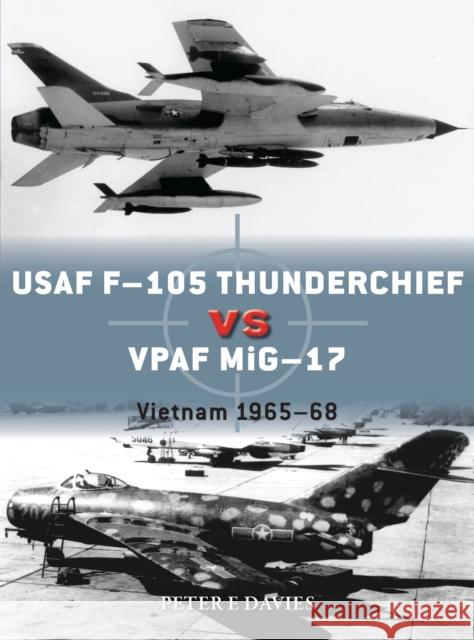
A comparative evaluation of the tactics and technology involved in the battles between the USAF's Republic F-105 Thunderchief fighter-bombers and their VPAF MiG-17 opponents during the Vietnam War.
A comparative evaluation of the tactics and technology involved in the battles between the USAF's Republic F-105 Thunderchief fighter-bombers and thei...