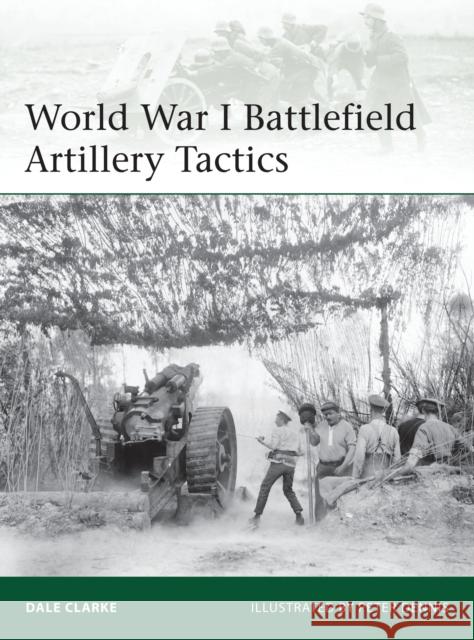
From the beginning of 'trench warfare' in winter 1914/15, artillery became the absolutely dominant arm in all the major armies for the rest of World War I, to a degree never seen before or since. The numbers and capabilities of the guns and ammunition available governed all the generals' battle plans; and the ways in which they were employed, and either succeeded or failed, decided the outcome of battles. The majority of the millions of casualties suffered during the war fell victim to artillery fire.
The artillery war fell into three distinct phases along a four-year learning curve...
From the beginning of 'trench warfare' in winter 1914/15, artillery became the absolutely dominant arm in all the major armies for the rest of Worl...