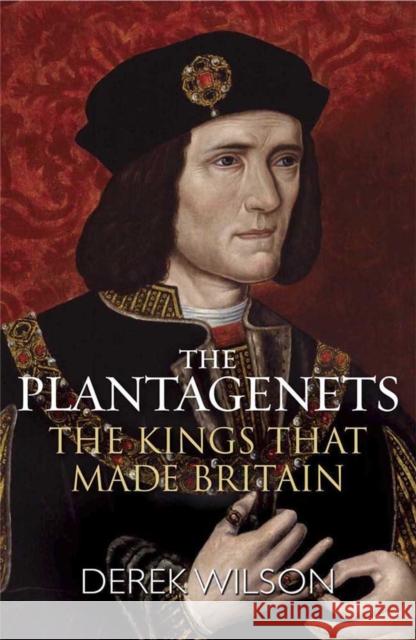
England, 1154. As Henry II seizes the throne after years of turmoil, a new dynasty is poised to haul this hitherto turbulent nation out from the Dark Ages and transform it into the nation state we recognize today. Featuring some of England's greatest but also most notorious kings, the house of Plantagenet would reign for over 300 blood-soaked, yet foundational, years. The dynasty provides some of the most evocative names in our history: from the brave yet rash Richard the Lionheart, his treacherous brother John, the hapless Richard II, and the hero of Agincourt Henry V, through to the...
England, 1154. As Henry II seizes the throne after years of turmoil, a new dynasty is poised to haul this hitherto turbulent nation out from the Dark ...
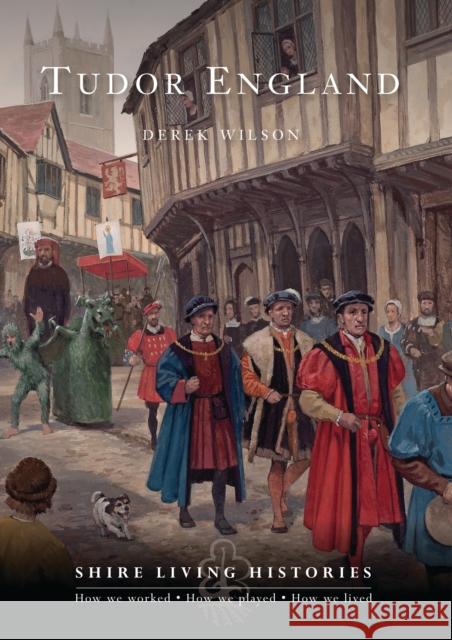
The Tudor period was a time of massive social change in England with growing cities, increasing trade, and growing stability after the chaos of the Wars of the Roses. Despite military preparations in every county, and the establishment of a new navy, the country was generally at peace, and England and Wales were becoming more closely integrated. Religious changes affected every person, with the Reformation bringing change to most corners of the country, and the dissolution of the monasteries allowing those with cash to build new estates, and removing the traditional schools and hospitals....
The Tudor period was a time of massive social change in England with growing cities, increasing trade, and growing stability after the chaos of the...
Women have made crucial contributions to the life of the Church from New Testament times onwards, but the Reformation saw an explosion in their involvement. Having benefited alongside their brothers from the Renaissance's emphasis on learning, and with the increasing casting aside of the belief that they were intellectually inferior, women learned to read in ever increasing numbers--and most of them wanted to read the Bible. As a result, many started to interpret Scripture for themselves, putting them on a collision course with the Church.
Women have made crucial contributions to the life of the Church from New Testament times onwards, but the Reformation saw an explosion in their involv...
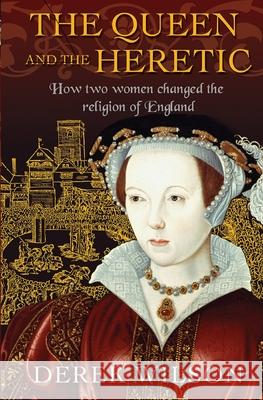
The Queen and the Heretic is a dual biography of two remarkable women - Catherine Parr and Anne Askew. The first was the last queen of Henry VIII, the second a countrywoman from Lincolnshire. They were joined together in their love of the Protestant faith and in the threat this posed to both their lives. Both Catherine and Anne wrote about their beliefs, and their writings are still with us. Powerful men at court sought to bring Catherine down, and used Anne Askew's notoriety as a weapon in that battle. Queen Catherine Parr survived, while Anne Askew, the only woman to be racked, was burned...
The Queen and the Heretic is a dual biography of two remarkable women - Catherine Parr and Anne Askew. The first was the last queen of Henry VIII, the...
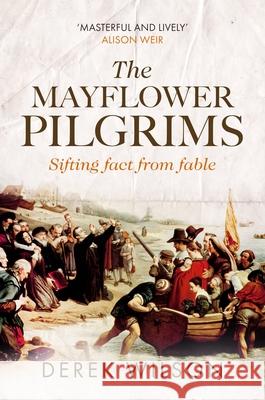
The voyage of the `Pilgrim Fathers' from Plymouth, England, and their settlement in Plymouth, New England, is iconic. Unfortunately. Why unfortunately? Because icons both simplify and glamorise. The Mayflower story is a gilded myth, a historical episode seen through the distorting lens of nationalism.
The voyage of the `Pilgrim Fathers' from Plymouth, England, and their settlement in Plymouth, New England, is iconic. Unfortunately. Why unfortunately...