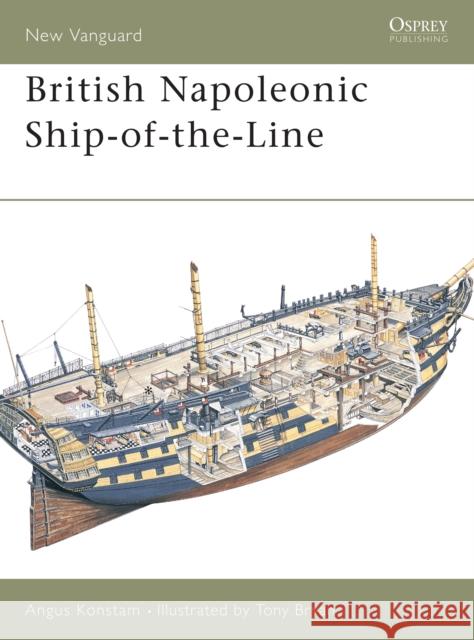
The French Revolutionary and Napoleonic Wars encompassed a period when rival European fleets vied for naval supremacy, and naval tactics were evolving. The British Royal Navy emerged triumphant as the leading world sea power, and the epitome of Britannic naval strength was the Ship-of-the-Line. These 'wooden walls' were more than merely floating gun batteries: they contained a crew of up to 800 men, and often had to remain at sea for extended periods. This book offers detailed coverage of the complex vessels that were the largest man-made structures produced in the pre-Industrial era.
The French Revolutionary and Napoleonic Wars encompassed a period when rival European fleets vied for naval supremacy, and naval tactics were evolving...
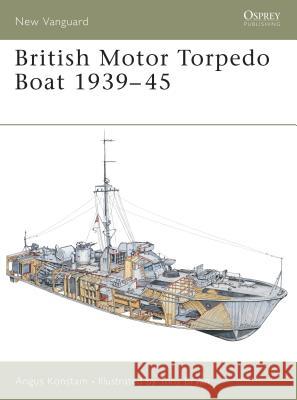
During the Second World War, flotillas of the Royal Navy's Motor Torpedo Boats and other coastal forces fought a deadly war for control of the English Channel and the North Sea. These small, fast boats attacked enemy convoys, escorted freighters, landed secret agents and even raided enemy ports. Unsung heroes, these craft and their tiny crews helped stave off defeat in the dark days of 1940. The same vessels then took the fight to other waters, and by the end of the war, British MTB's had seen service in the Mediterranean, the Baltic and the Far East. This book examines the development and...
During the Second World War, flotillas of the Royal Navy's Motor Torpedo Boats and other coastal forces fought a deadly war for control of the English...
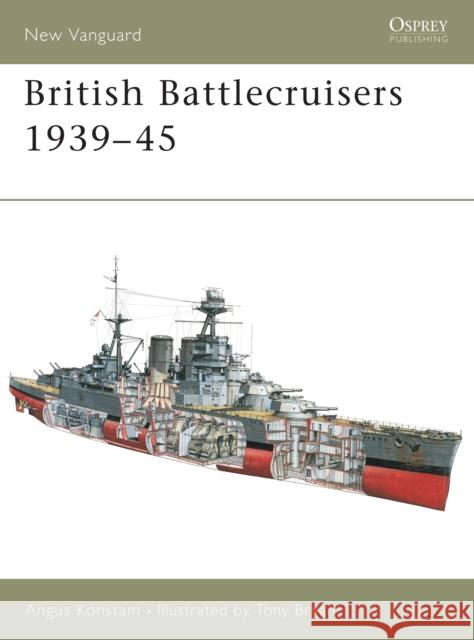
When war broke out in 1939, only three true battlecruisers remained in the Royal Navy including HMS 'Hood', the world's largest and fastest capital ship for much of her life, which would be destroyed in action against the German battleship 'Bismarck'. Out of the remaining two battlecruisers ('Repulse' and 'Renown') one was sunk by Japanese aircraft off Singapore, whilst the other served with distinction until the end of the war. This book traces the pre-war development of these spectacular warships, then describes their wartime exploits, using this to demonstrate their operational and...
When war broke out in 1939, only three true battlecruisers remained in the Royal Navy including HMS 'Hood', the world's largest and fastest capital sh...
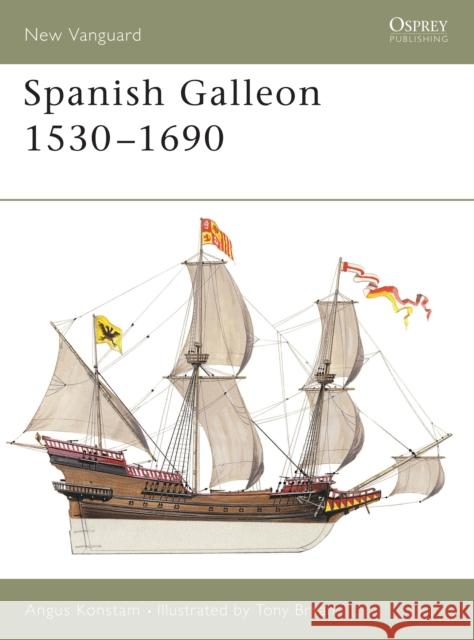
During the middle decade of the 16th century a new type of sailing vessel emerged, designed to carry the wealth of the Americas to Spain. This was the galleon, and over the next century these vessels would serve Spain well as treasure ships and warships, becoming a symbol of Spanish power and wealth during the period. The development and construction of the Spanish galleon are discussed in this book, and the ordnance and crewing needed to produce and maintain these stately vessels is covered. The author also examines the role of the galleon as a treasure ship, and describes how these ships...
During the middle decade of the 16th century a new type of sailing vessel emerged, designed to carry the wealth of the Americas to Spain. This was the...
A strategically important natural harbor in the Orkney Islands, Scapa Flow served as Britain's main fleet anchorage during World Wars I and II. It held Jellicoe's Grand Fleet from 1914-18, and it was from here that it sailed out to do battle with the Germans at Jutland in 1916. In 1914 the British began building a comprehensive defensive network by fortifying the entrances to Scapa Flow and then extending these defenses to cover most of Orkney. These static defenses were augmented with boom nets, naval patrols and minefields, creating the largest fortified naval base in the...
A strategically important natural harbor in the Orkney Islands, Scapa Flow served as Britain's main fleet anchorage during World Wars I and II. It ...
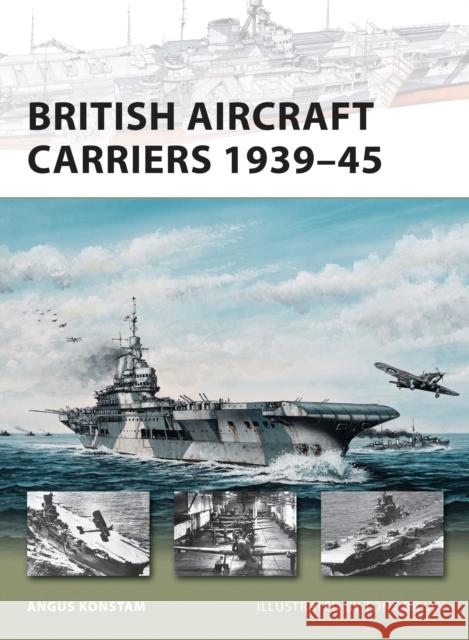
In August 1917, at the height of the First World War, a small biplane landed on the makeshift flight deck of HMS Furious - the first ever carrier landing in aviation history. This small act ushered in a new era. Two decades later, when Britain stood on the brink of another World War, the Royal Navy had a small fleet of aircraft carriers, with several more nearing completion. When war came the newly-formed Fleet Air Arm would demonstrate that what it lacked in modern equipment, it made up for in skill and daring.
The first of these carriers were converted from existing ships. Then in...
In August 1917, at the height of the First World War, a small biplane landed on the makeshift flight deck of HMS Furious - the first ever carrier l...
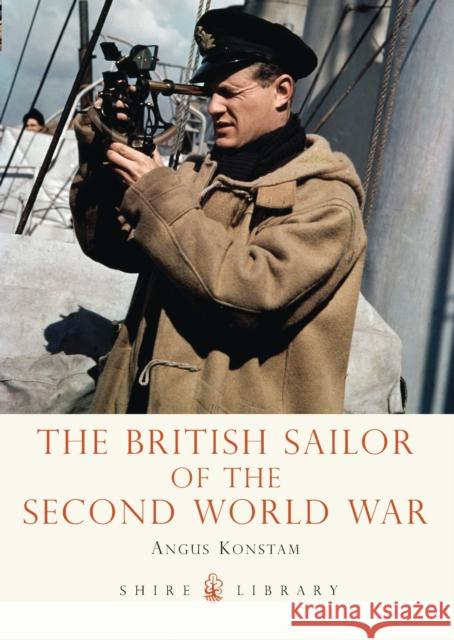
This title tells the dramatic story of how the Royal Navy transformed ordinary citizens into first-rate and fearless sailors and navy personnel during World War II. It covers how they were recruited and trained, and how they endured life at sea in hostile waters, protecting convoys in the Atlantic, hunting submarines in the Mediterranean, and standing up to relentless air attacks in the Pacific. Told from the perspective of vivid first-hand accounts of life onboard, it reveals what it was like to be a sailor navigating, patrolling, and fighting in the largest theater of the war- the vast...
This title tells the dramatic story of how the Royal Navy transformed ordinary citizens into first-rate and fearless sailors and navy personnel during...
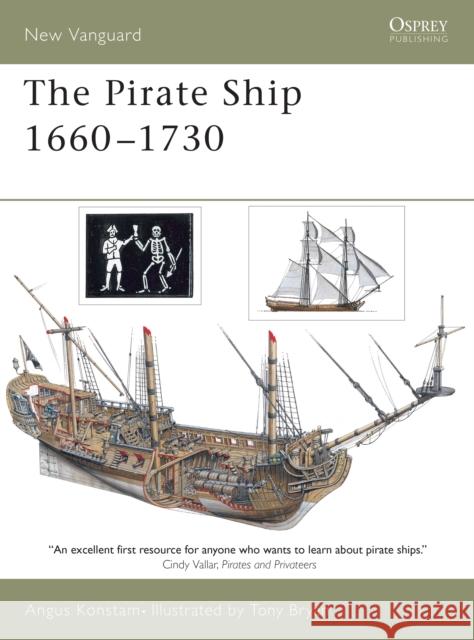
The deeds and personalities of famous pirates have received significant attention in recent years: however, no detailed depiction of their vessels has ever been produced. This title redresses the imbalance, conducting a detailed exploration of the wide variety of pirate vessels that sailed the high seas during the 'golden age' of piracy (1690 1730), from gun-bristling warships to smaller craft such as sloops, brigantines and early schooners. It incorporates the latest archaeological evidence to produce a fascinating account of these vessels, detailing their origins, development and tactical...
The deeds and personalities of famous pirates have received significant attention in recent years: however, no detailed depiction of their vessels has...
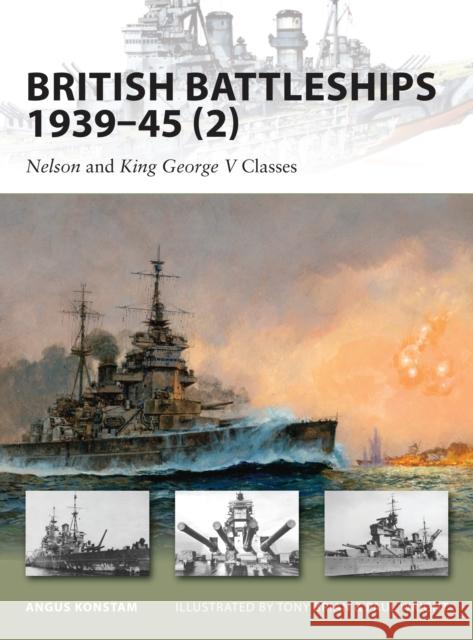
With the outbreak of World War II, Britain's Royal Navy was at the forefront of her defence with her fleet of battleships as her main striking force. However, ten battleships of this fleet were already over 20 years old, venerable veterans of the first world conflict. As such, in the 1930s two new classes were commissioned - modern battleships which were designed to replace the ageing battle fleet although only one would see active service. Together with the older battleships, which were increasingly modified in the decade preceding the war and during the conflict itself, these vessels...
With the outbreak of World War II, Britain's Royal Navy was at the forefront of her defence with her fleet of battleships as her main striking forc...
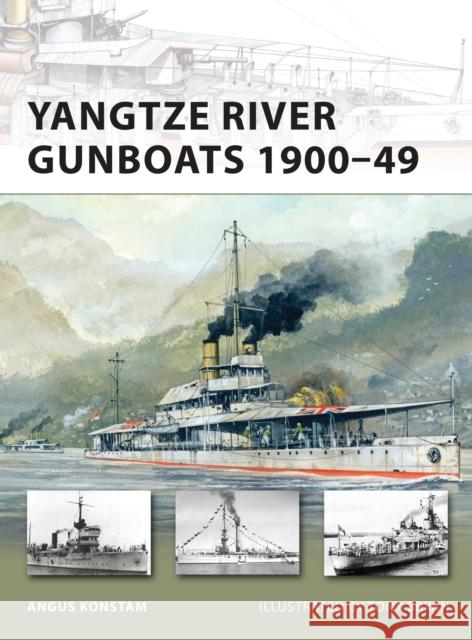
From the end of the 19th century through the first half of the 20th, most Western powers maintained a naval presence in China. These gunboats protected traders and missionaries, safeguarded national interests, and patrolled Chinese rivers in search of pirates. It was a wild, lawless time in China as ruthless warlords fought numerous small wars to increase their power and influence.
This book covers the gunboats of all the major nations that stationed naval forces in China, including America, Britain, France, Germany, Italy, Portugal, and Japan, and looks at such famous incidents as...
From the end of the 19th century through the first half of the 20th, most Western powers maintained a naval presence in China. These gunboats prote...