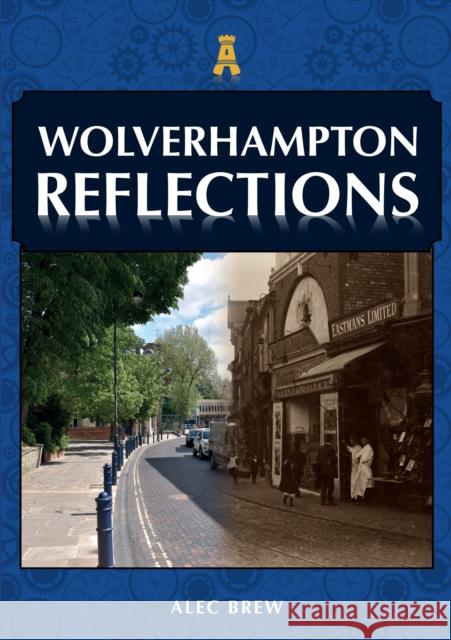
Wolverhampton was a Staffordshire market town in the Middle Ages but became a major industrial town during the Industrial Revolution, renowned for coal mining, metalworking and steel making. The prosperity brought to the town from this era is in evidence in many buildings in the city, and the growing population required a large programme of public housing in the early twentieth century. The development of Wolverhampton continued post-war, with much of the centre being rebuilt in the 1960s and 1970s. Granted city status in 2000, Wolverhampton continues to be redeveloped but despite the many...
Wolverhampton was a Staffordshire market town in the Middle Ages but became a major industrial town during the Industrial Revolution, renowned for coa...