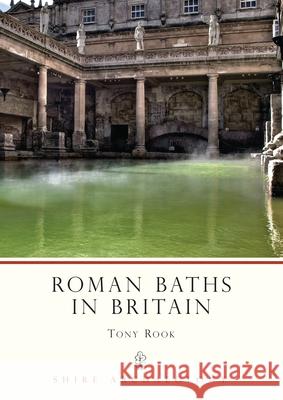
Almost every Roman site in Britain seemed to have had its baths. They needed to be strongly built and to a large extent were constructed below contemporary ground level. As a result the remains of Roman baths have resisted demolition and subsequent damage by the plough. The purpose of this book is to explain how Roman baths came to be built, how they were constructed, how they were used and how they worked. About the author Tony Rook is a building technologist and an Extramural Tutor in Archaeology. His many reports include that on Dicket Mead, the Roman villa whose baths he...
Almost every Roman site in Britain seemed to have had its baths. They needed to be strongly built and to a large extent were constructed below cont...
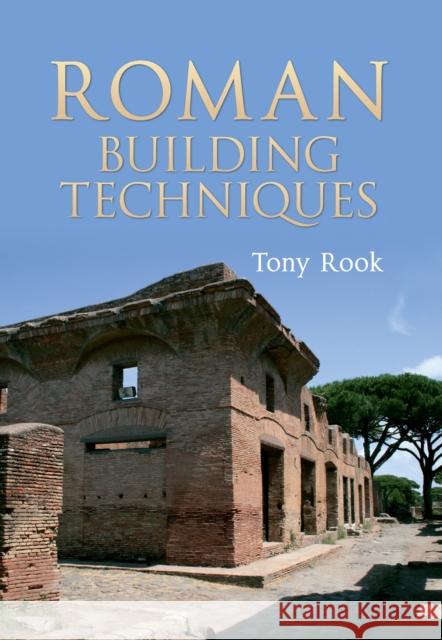
Writing from the view of a building technologist as well as and archaeologist, Tony Rook takes a practical approach in this introductory guide to the building types, techniques and methodology of the Romans. After a survey of the main building types and their features, military, public and private, he analyses Roman building technology from the bottom up, starting with the foundations, and covering materials such as masonry, brick, mud and wood, as well as architectural features such as walls, roofs, pipes, drains and heating. Final chapters cover grander and more monumental techniques such...
Writing from the view of a building technologist as well as and archaeologist, Tony Rook takes a practical approach in this introductory guide to the ...