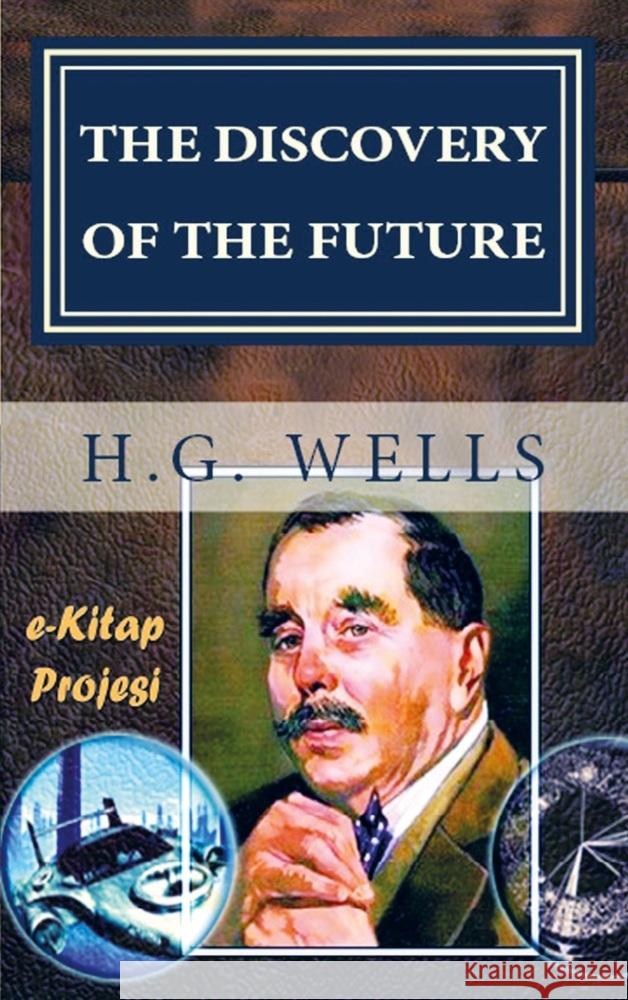
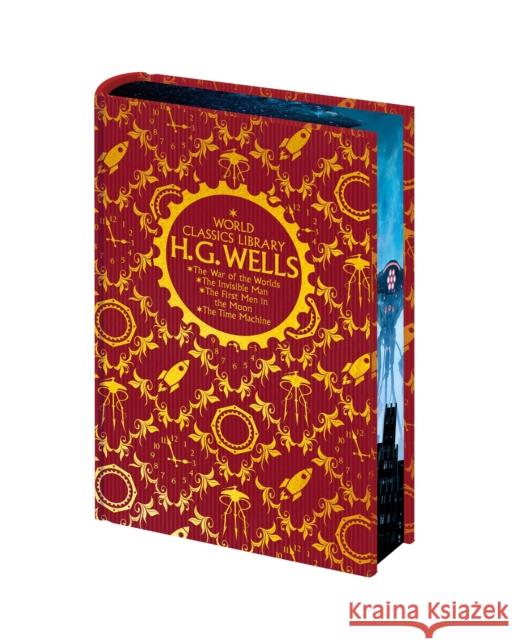
The Discovery of the Future is a philosophical lecture by H. G. Wells that argues for the knowability of the future. It was originally delivered to the Royal Institution on January 24, 1902. Before appearing in book form. Wells begins by distinguishing between "two divergent types of mind," one that judges and attaches importance principally to what has happened in the past and one that judges and attaches importance principally to what will happen in the future. To the former he attributes the adjectives "legal or submissive," "passive," and "oriental," and to the latter the adjectives...
The Discovery of the Future is a philosophical lecture by H. G. Wells that argues for the knowability of the future. It was originally delivered to th...
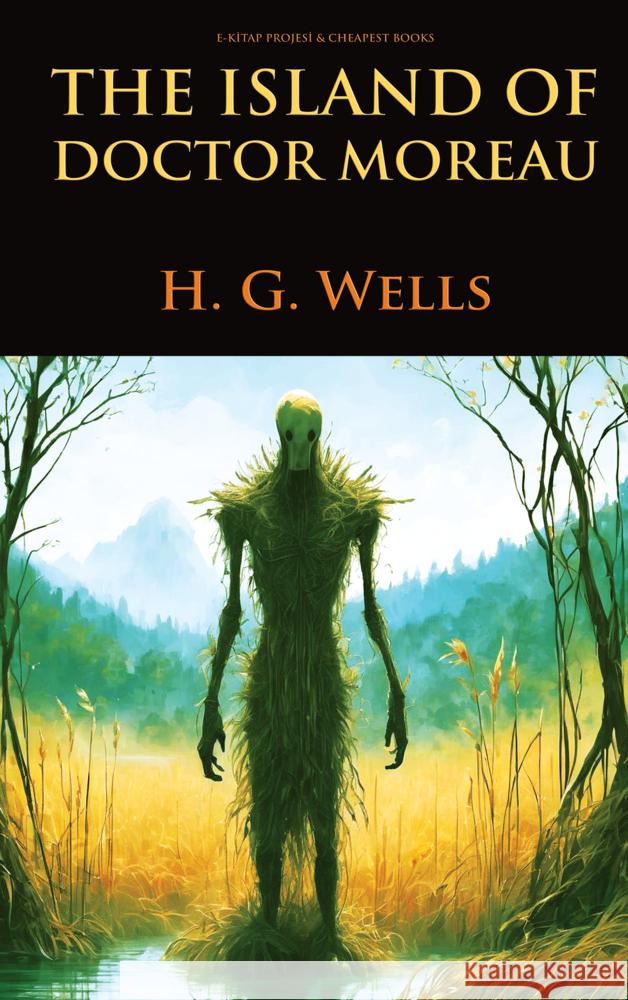
The only island known to exist in the region in which my uncle was picked up is Noble's Isle, a small volcanic islet and uninhabited. It was visited in 1891 by H. M. S. Scorpion. A party of sailors then landed, but found nothing living thereon except certain curious white moths, some hogs and rabbits, and some rather peculiar rats. So that this narrative is without confirmation in its most essential particular. With that understood, there seems no harm in putting this strange story before the public in accordance, as I believe, with my uncle's intentions.There is at least this much in its...
The only island known to exist in the region in which my uncle was picked up is Noble's Isle, a small volcanic islet and uninhabited. It was visited i...
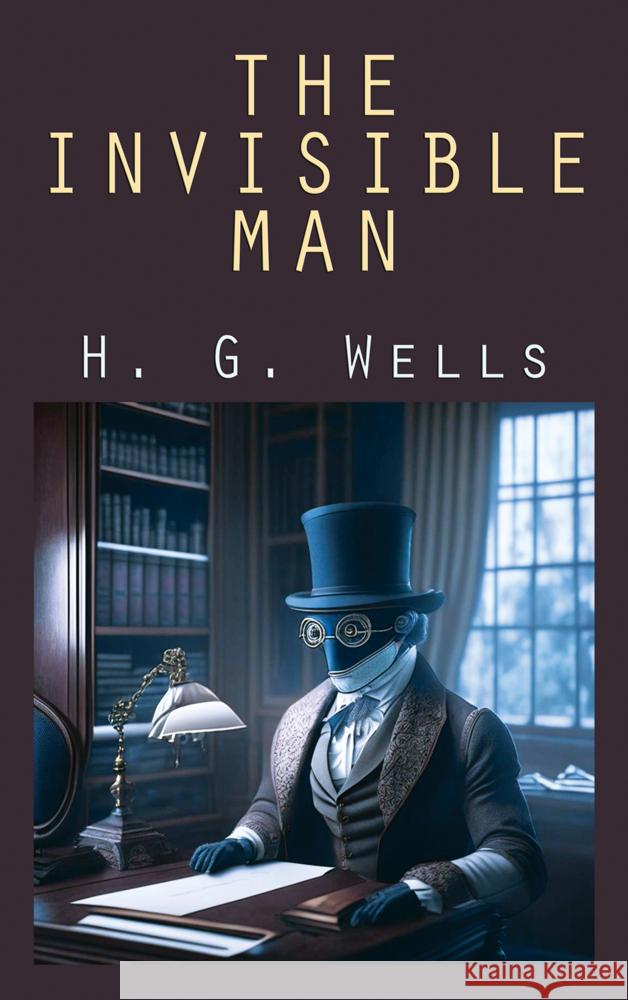
The stranger came early in February, one wintry day, through a biting wind and a driving snow, the last snowfall of the year, over the down, walking from Bramblehurst railway station, and carrying a little black portmanteau in his thickly gloved hand. He was wrapped up from head to foot, and the brim of his soft felt hat hid every inch of his face but the shiny tip of his nose; the snow had piled itself against his shoulders and chest, and added a white crest to the burden he carried.He staggered into the "Coach and Horses" more dead than alive, and flung his portmanteau down. "A fire," he...
The stranger came early in February, one wintry day, through a biting wind and a driving snow, the last snowfall of the year, over the down, walking f...
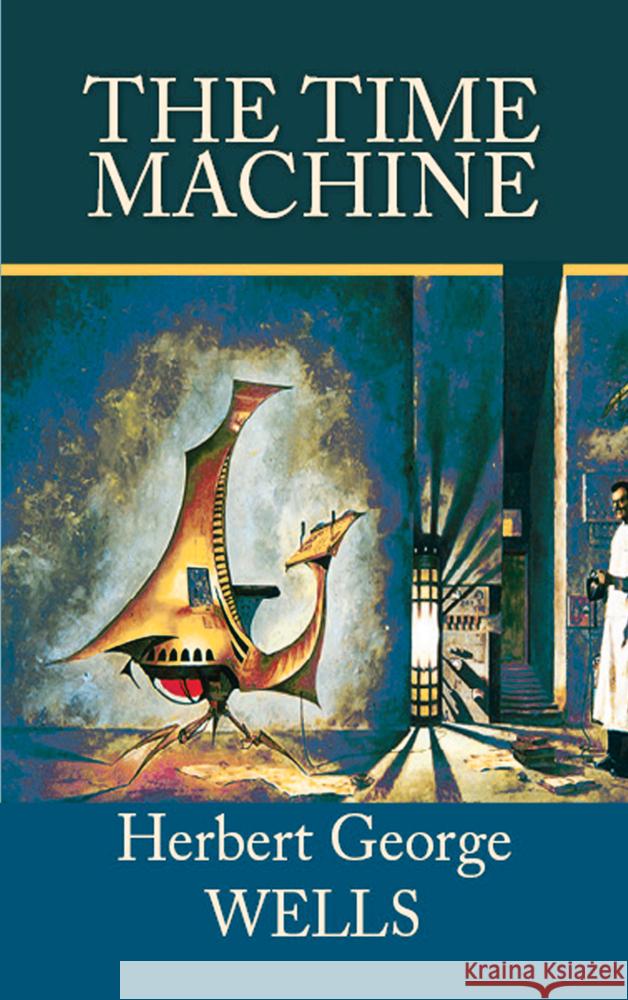
The Time Machine is a science fiction novella by H. G. Wells, published in 1895. It is generally credited with the popularisation of the concept of time travel by using a vehicle that allows an operator to travel purposefully and selectively.The term "time machine", coined by Wells, is now universally used to refer to such a vehicle. This work is an early example of the Dying Earth subgenre.The Time Machine has since been adapted into two feature films of the same name, as well as two television versions, and a large number of comic book adaptations. It has also indirectly inspired many more...
The Time Machine is a science fiction novella by H. G. Wells, published in 1895. It is generally credited with the popularisation of the concept of ti...
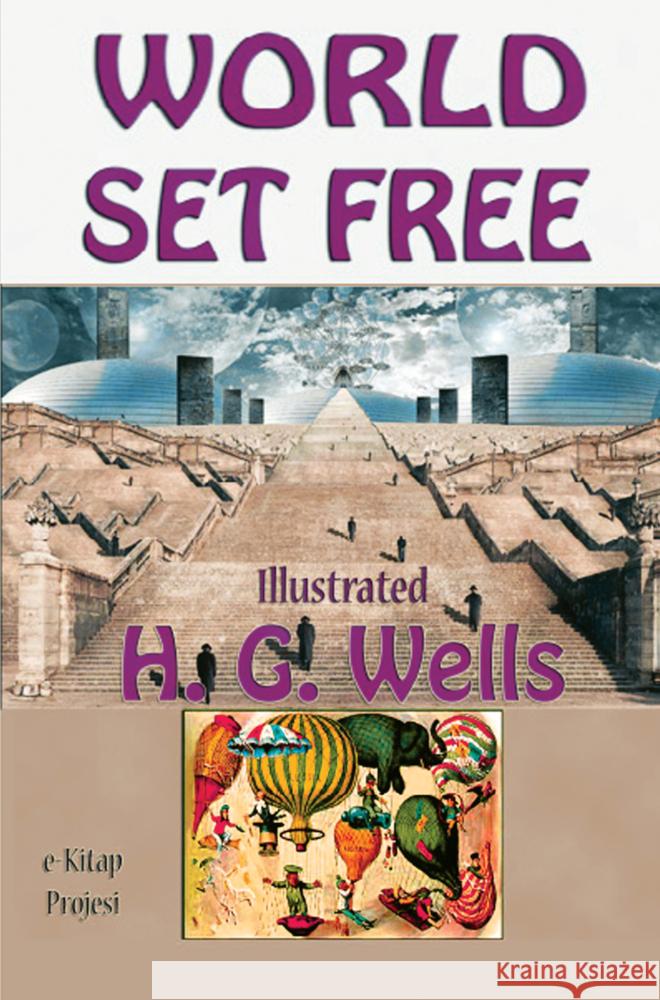
The World Set Free is a novel written in 1913 and published in 1914 by H. G. Wells. The book is based on a prediction of nuclear weapons of a more destructive and uncontrollable sort than the world has yet seen. It had appeared first in serialised form with a different ending as A Prophetic Trilogy, consisting of three books: A Trap to Catch the Sun, The Last War in the World and The World Set Free.A frequent theme of Wells's work, as in his 1901 nonfiction book Anticipations, was the history of humans' mastery of power and energy through technological advance, seen as a determinant of human...
The World Set Free is a novel written in 1913 and published in 1914 by H. G. Wells. The book is based on a prediction of nuclear weapons of a more des...
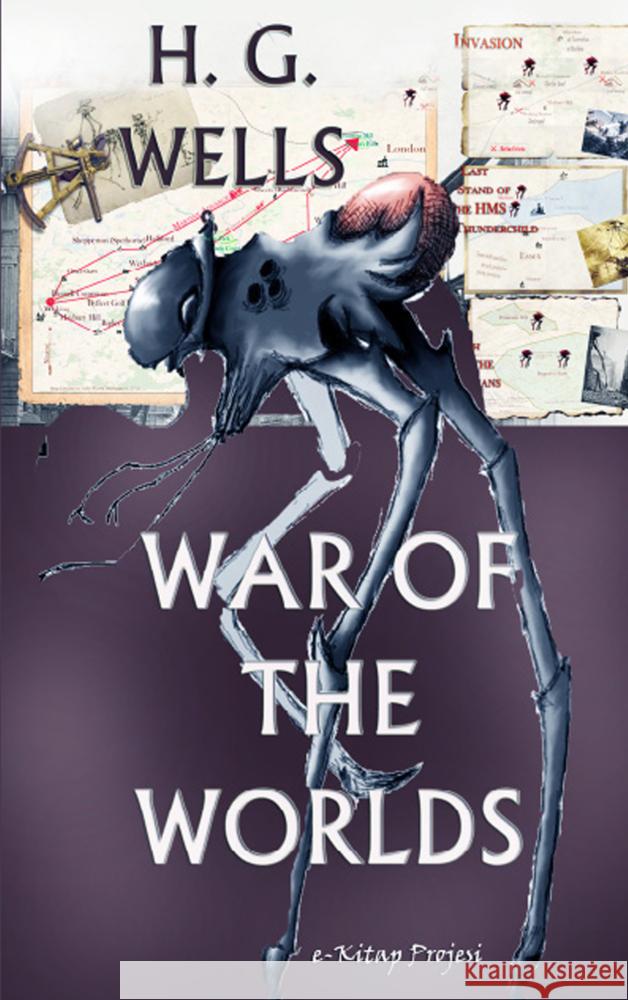
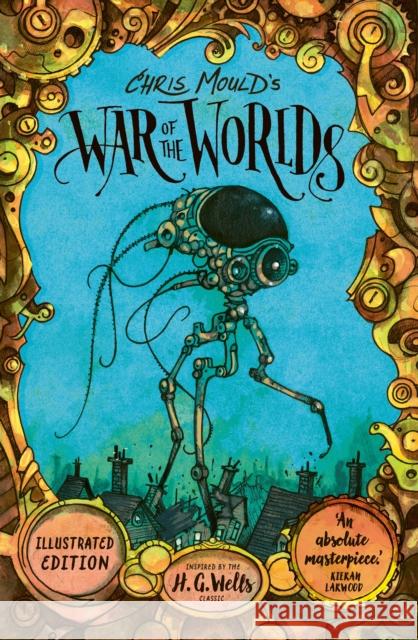
The War of the Worlds has two parts, Book One: The Coming of the Martians and Book Two: The Earth under the Martians. The narrator, a philosophically-inclined author, struggles to return to his wife while seeing the Martians lay waste to southern England. Book One also imparts the experience of his brother, also unnamed, who describes events in the capital and escapes the Martians by boarding a ship near Tillingham, on the Essex coast.The plot has been related to invasion literature of the time. The novel has been variously interpreted as a commentary on evolutionary theory, British...
The War of the Worlds has two parts, Book One: The Coming of the Martians and Book Two: The Earth under the Martians. The narrator, a philosophically-...