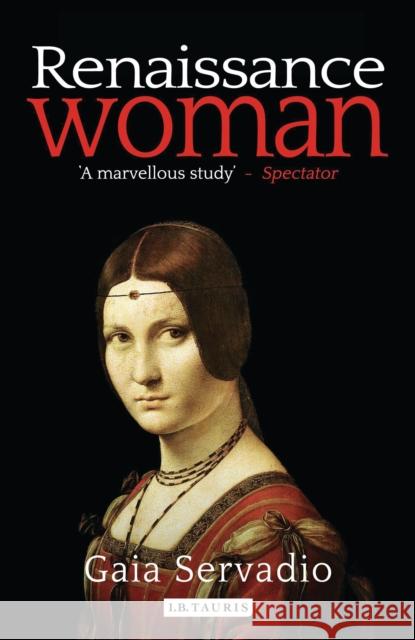
The Renaissance created a new vision of womanhood and indeed a ""New Woman,"" proposes Gaia Servadio in this fresh take on Renaissance history. Servadio dates the birth of this development not to the traditionally quoted year of 1492 but to the invention of the printing press in 1456, which made books--and hence education--available to women. Central to her story are the lives of women such as Vittoria Colonna, whose extraordinary mutual love with Michelangelo is told here; Tullia d'Aragona, poet and the best known courtesan of her age, and French poet Louise LabE, who fought battles in male...
The Renaissance created a new vision of womanhood and indeed a ""New Woman,"" proposes Gaia Servadio in this fresh take on Renaissance history. Servad...
The Renaissance created a new vision of womanhood and indeed a New Woman, proposes Gaia Servadio in this rich feast of a book. She dates the birth of this revolutionary movement to the invention of the printing press in 1456, which made books and hence education available to women. Central to her story are the lives of such as Vittoria Colonna, whose extraordinary mutual love with Michelangelo is told here; Tullia d Aragona, poet and the best known courtesan of her age; and French poet Louise Labe, who fought in battle in male clothes. They are placed center stage to the Renaissance s power...
The Renaissance created a new vision of womanhood and indeed a New Woman, proposes Gaia Servadio in this rich feast of a book. She dates the birth of ...