Wars in the 19th Century were accompanied by a very heavy loss of life from infectious diseases. Typhus fever, dysentery, malaria, typhoid fever and yellow fever caused many more deaths than wounds inflicted by enemy actions. During the Peninsular War, for example, for every soldier dying of a wound, four succumbed to disease. This book examines the development and evolution of surgical practice against this overwhelming risk of death due to disease. It reviews three major conflicts during this time: the Peninsular War, the Crimean War and the Boer War and also considers many minor wars...
Wars in the 19th Century were accompanied by a very heavy loss of life from infectious diseases. Typhus fever, dysentery, malaria, typhoid fever and y...
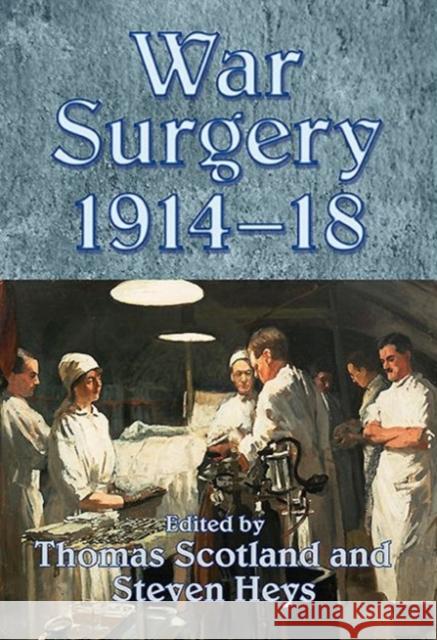
The Great War, 1914-1918 resulted in enormous numbers of casualties who had sustained filthy contaminated wounds from high explosive shellfire, bomb and mortar blast, and from rifle and machine gun bullet. Such wounds were frequently multiple, severe, and almost invariably became infected. Surgical experience from previous conflicts was of little value, and it became quickly apparent that early surgical intervention with radical removal of all dead and devitalized tissue was absolutely vital to help reduce the chances of infections, especially the lethal gas gangrene, from developing. "War...
The Great War, 1914-1918 resulted in enormous numbers of casualties who had sustained filthy contaminated wounds from high explosive shellfire, bomb a...