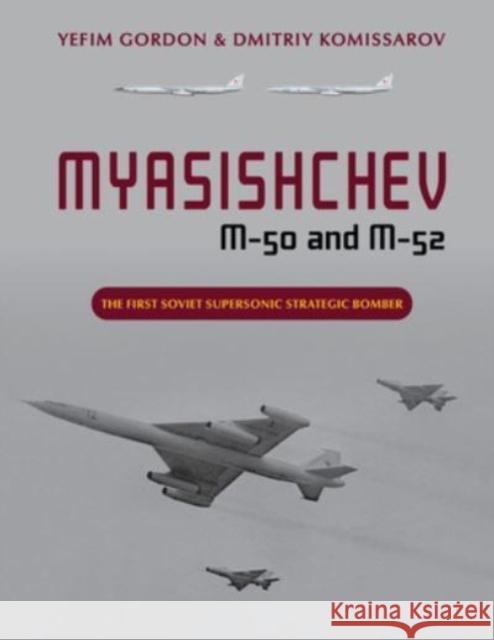
Reborn in 1951, the Myasishchev design bureau made its mark by creating the M-4 strategic bomber. Yet, this subsonic aircraft was soon made obsolescent by supersonic fighter technologyany new strategic bomber would need supersonic performance to avoid being intercepted. Hence in 1952, Myasishchev started work on supersonic bomber projects, which led to the M-50 of 1955. Designed for sustained supersonic cruise, the Mach 1.7 four-turbojet bomber had many innovative features, including automatic flight control and pitch trim systems, and the most powerful jet engine of the day. When the air...
Reborn in 1951, the Myasishchev design bureau made its mark by creating the M-4 strategic bomber. Yet, this subsonic aircraft was soon made obsolescen...