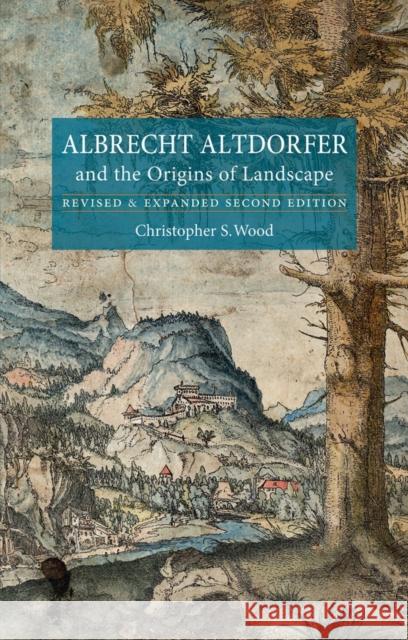
In the early sixteenth century, Albrecht Altdorfer promoted landscape from its traditional role as background to its new place as the focal point of a picture. His paintings, drawings, and etchings appeared almost without warning and mysteriously disappeared from view just as suddenly. In Albrecht Altdorfer and the Origins of Landscape, Christopher S. Wood shows how Altdorfer transformed what had been the mere setting for sacred and historical figures into a principal venue for stylish draftsmanship and idiosyncratic painterly effects. At the same time, his landscapes offered a densely...
In the early sixteenth century, Albrecht Altdorfer promoted landscape from its traditional role as background to its new place as the focal point of a...
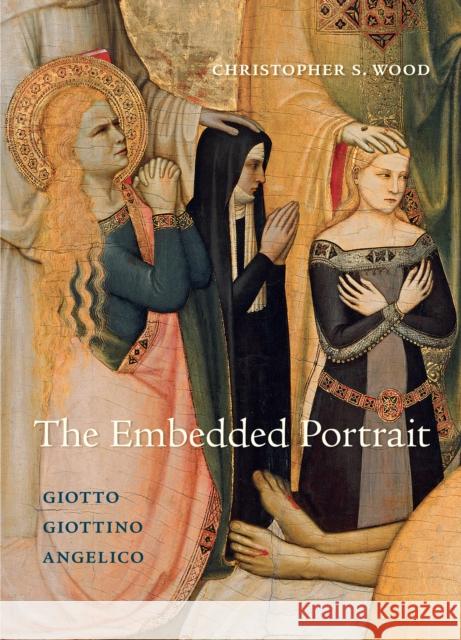
A new study of the early Renaissance portrait In fourteenth-century Italy, ever more women and men—not only clergy but also laity—introduced their own portraits into sacred paintings. Images of modern supplicants, submissive and prayerful, shared space with the holy narratives. The portraits mimicked the first worshippers of Christ: Mary, the Three Magi, Mary Magdalene. At the same time, they modeled, for modern viewers, ideal involvement in the emotion-laden stories. In The Embedded Portrait, Christopher S. Wood traces these incursions of the real and profane into Florentine sacred...
A new study of the early Renaissance portrait In fourteenth-century Italy, ever more women and men—not only clergy but also laity—introduced thei...