Agnihotri, Seema, Krishnan, T. Geetha, Kumar, Krishna
After reviewing the literature from the disciplines of geography,sociology,psychology and south Asia,this study has tried to explore the mental maps of the Indian children about the SAARC countries. During the study ,it has been found out that Indian children,under the influence of formal and informal set up,are carrying the mental maps in their mind,which are matching up with the reality.They are carrying biases,prejudices and stereotype attitude about their neighboring countries. The researcher has attributed all these as the major factors of dampening the spirit of the SAARC as a political...
After reviewing the literature from the disciplines of geography,sociology,psychology and south Asia,this study has tried to explore the mental maps o...
L'arrivée des solutions numériques pour la planification des soins dentaires a contribué à briser le mur invisible entre le dentiste et le patient. Des outils tels que la réalité augmentée, l'intelligence artificielle, les logiciels de planification et les grands écrans HD peuvent rendre le processus de planification du traitement plus rapide et plus compréhensible. Même les outils d'enseignement et de recherche ont grandement bénéficié de ces innovations, avec des logiciels pour l'enseignement de la dentisterie (tels que des logiciels 3D pour l'apprentissage de l'anatomie ou des...
L'arrivée des solutions numériques pour la planification des soins dentaires a contribué à briser le mur invisible entre le dentiste et le patient...
Die Einführung digitaler Lösungen für die Planung zahnärztlicher Behandlungen hat dazu beigetragen, die unsichtbare Mauer zwischen Zahnarzt und Patient einzureißen. Tools wie Augmented Reality, künstliche Intelligenz, Planungssoftware und große HD-Bildschirme können den Behandlungsplanungsprozess schneller und verständlicher machen. Auch Lehr- und Forschungstools profitierten stark von diesen Innovationen, mit Software für den Zahnmedizinunterricht (wie 3D-Software zum Erlernen der Anatomie oder 3D-Simulationsprogrammen für chirurgische Eingriffe), digitaler Archivierung von...
Die Einführung digitaler Lösungen für die Planung zahnärztlicher Behandlungen hat dazu beigetragen, die unsichtbare Mauer zwischen Zahnarzt und Pa...
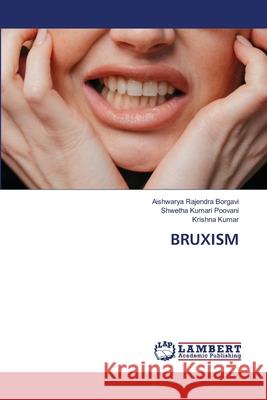
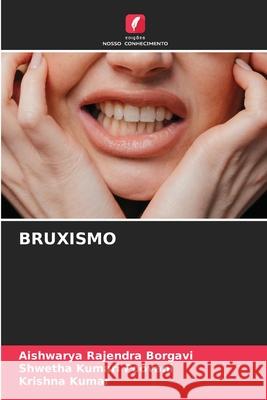
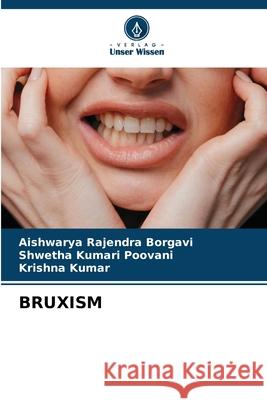
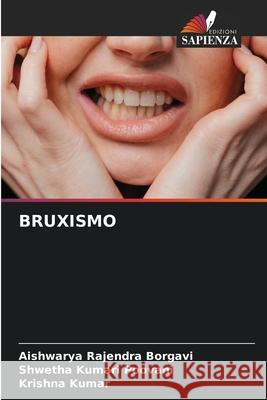
Bruxism is a common parafunctional activity involving involuntary clenching or grinding of teeth, which can occur during sleep (sleep bruxism) or while awake (awake bruxism), and affects individuals across all age groups. The condition has a multifactorial etiology encompassing psychological stress, neurochemical imbalances, sleep disturbances, genetic predisposition, and, to a lesser extent, morphological or occlusal factors. Historically, it was thought to be caused mainly by dental malocclusion, but contemporary research emphasizes the dominant role of central nervous system mechanisms and...
Bruxism is a common parafunctional activity involving involuntary clenching or grinding of teeth, which can occur during sleep (sleep bruxism) or whil...
Bruxismus ist eine häufige parafunktionelle Aktivität, bei der die Zähne unwillkürlich zusammengepresst oder geknirscht werden, was sowohl im Schlaf (Schlafbruxismus) als auch im Wachzustand (Wachbruxismus) auftreten kann. Der Zustand hat eine multifaktorielle Ätiologie, die psychologischen Stress, neurochemische Ungleichgewichte, Schlafstörungen, genetische Veranlagung und in geringerem Maße auch morphologische oder okklusale Faktoren umfasst. Früher ging man davon aus, dass er hauptsächlich durch Zahnfehlstellungen verursacht wird, doch die heutige Forschung betont die dominierende...
Bruxismus ist eine häufige parafunktionelle Aktivität, bei der die Zähne unwillkürlich zusammengepresst oder geknirscht werden, was sowohl im Schl...