Hydrazone und ihre Derivate bilden eine vielseitige Klasse von Verbindungen in der organischen Chemie. Diese Verbindungen weisen interessante biologische Eigenschaften auf, darunter entzündungshemmende, schmerzstillende, krampflösende, tuberkulosehemmende, tumorhemmende, HIV-hemmende und antimikrobielle Wirkungen. Hydrazone sind wichtige Verbindungen für das Wirkstoffdesign, als mögliche Liganden für Metallkomplexe, für die Organokatalyse und auch für die Synthese heterocyclischer Verbindungen. Die Herstellung, die im Vergleich zu Iminen erhöhte hydrolytische Stabilität und die...
Hydrazone und ihre Derivate bilden eine vielseitige Klasse von Verbindungen in der organischen Chemie. Diese Verbindungen weisen interessante biologis...
Photovoltaics are one of the essentials for future energy requirements for sure but in the present time bulky silicon based cells are also asking to be replaced with some new technologies. Organic solar cells are one of the answers. We need to model these devices accurately so that we may precisely understand the obstacles in further development of these cells. This book explains various aspects of organic solar cell modelling.
Photovoltaics are one of the essentials for future energy requirements for sure but in the present time bulky silicon based cells are also asking to b...
Le blé (Triticum aestivum L.), cultivé sur une superficie de 30,6 millions d'hectares, occupe 72 % de la superficie dans la NWPZ et la NEPZ et 17 % dans la CZ de l'Inde. Pendant la période de la révolution verte, sa production a été multipliée par plus de cinq, passant de 12,26 MT en 1964-65 à 93,50 MT en 2015-16. La productivité actuelle du blé est de 3093 kg/ha dans le pays, ce qui pourrait être attribué à l'adoption de variétés à haut rendement sensibles aux intrants et à des technologies de gestion agricole améliorées. Parmi les différents intrants agricoles, les...
Le blé (Triticum aestivum L.), cultivé sur une superficie de 30,6 millions d'hectares, occupe 72 % de la superficie dans la NWPZ et la NEPZ et 17 % ...
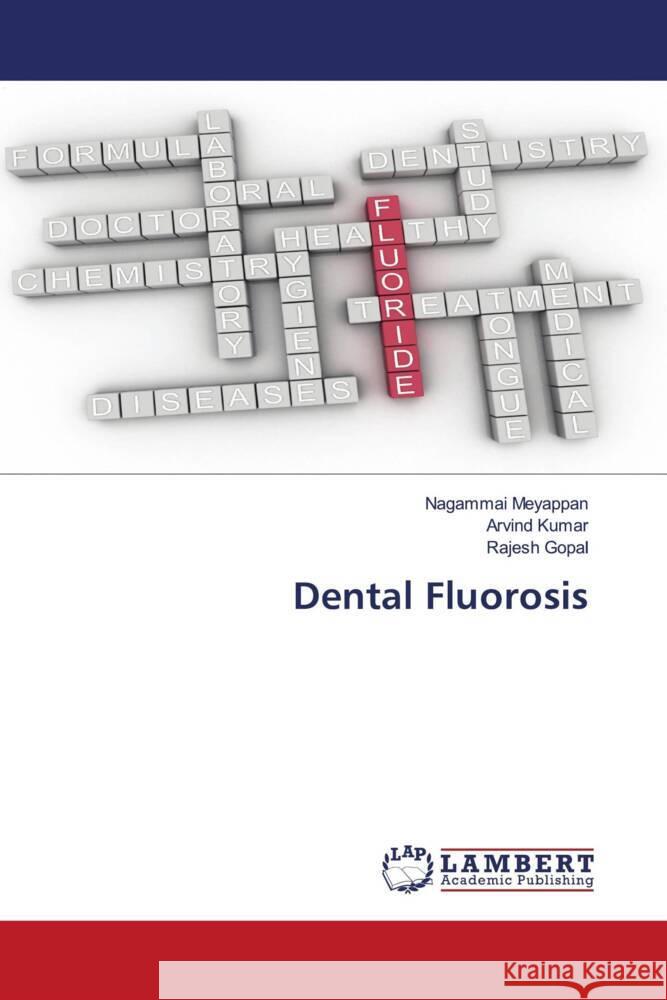
Dental fluorosis is a developmental disturbance of dental enamel, caused by successive exposures to high concentrations of fluoride during tooth development, leading to enamel with lower mineral content and increased porosity. The severity of dental fluorosis depends on when and for how long the overexposure to fluoride occurs, the individual response, weight, degree of physical activity, nutritional factors and bone growth. The risk period for esthetic changes in permanent teeth is between 20 and 30 months of age. The recommended level for daily fluoride intake is 0.05 - 0.07 mg F/Kg/day,...
Dental fluorosis is a developmental disturbance of dental enamel, caused by successive exposures to high concentrations of fluoride during tooth devel...