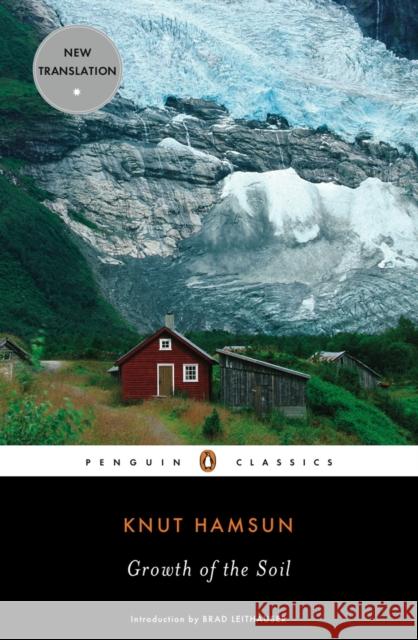
The epic novel of man and nature that won its author the Nobel Prize in Literature-the first new English translation since the novel's original publication ninety years ago When it was first published in 1917, Growth of the Soil was immediately recognized as a masterpiece. Ninety years later it remains a transporting literary experience. In the story of Isak, who leaves his village to clear a homestead and raise a family amid the untilled tracts of the Norwegian back country, Knut Hamsun evokes the elemental bond between humans and the land. Newly translated by the...
The epic novel of man and nature that won its author the Nobel Prize in Literature-the first new English translation since the novel's original pub...
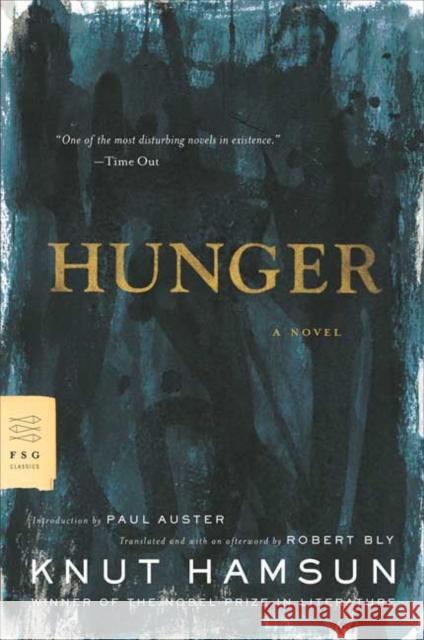
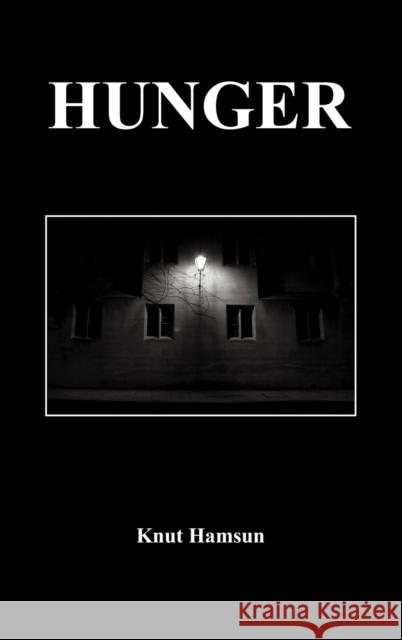
A true classic of modern literature that has been described as "one of the most disturbing novels in existence" (Time Out), Hunger is the story of a Norwegian artist who wanders the streets, struggling on the edge of starvation. As hunger overtakes him, he slides inexorably into paranoia and despair. The descent into madness is recounted by the unnamed narrator in increasingly urgent and disjointed prose, as he loses his grip on reality.
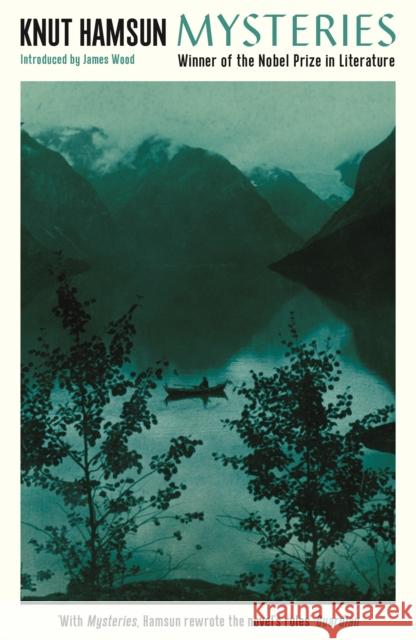
Arising from Hamsun's belief that literature ought to be about the mysterious workings of the human mind -- an attempt, he wrote, to...
A true classic of modern literature that has been described as "one of the most disturbing novels in existence" (Time Out), Hunger is...
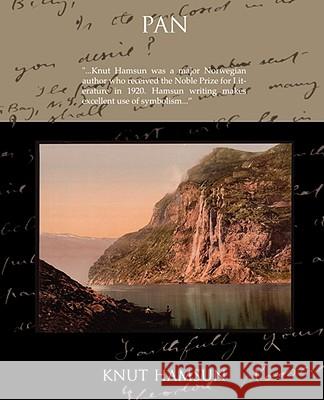
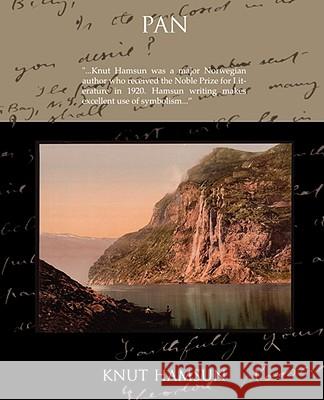
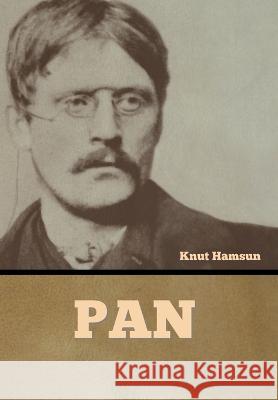
Knut Hamsun was a major Norwegian author who received the Noble Prize for Literature in 1920. Hamsun writing makes excellent use of symbolism. Glahn and Edvarda fall in love in the spring, they are lovers in the summer and their relationship deteriorates in the fall. Hamsun also shows the contradiction of culture and nature. Glahn lives as a part of nature while Edvarda's life in a part of culture.
Knut Hamsun was a major Norwegian author who received the Noble Prize for Literature in 1920. Hamsun writing makes excellent use of symbolism. Glahn a...
Knut Hamsun was a major Norwegian author who received the Noble Prize for Literature in 1920. Hamsun writing makes excellent use of symbolism. Glahn and Edvarda fall in love in the spring, they are lovers in the summer and their relationship deteriorates in the fall. Hamsun also shows the contradiction of culture and nature. Glahn lives as a part of nature while Edvarda's life in a part of culture.
Knut Hamsun was a major Norwegian author who received the Noble Prize for Literature in 1920. Hamsun writing makes excellent use of symbolism. Glahn a...
This is an EXACT reproduction of a book published before 1923. This IS NOT an OCR'd book with strange characters, introduced typographical errors, and jumbled words. This book may have occasional imperfections such as missing or blurred pages, poor pictures, errant marks, etc. that were either part of the original artifact, or were introduced by the scanning process. We believe this work is culturally important, and despite the imperfections, have elected to bring it back into print as part of our continuing commitment to the preservation of printed works worldwide. We appreciate your...
This is an EXACT reproduction of a book published before 1923. This IS NOT an OCR'd book with strange characters, introduced typographical errors, and...
Born in 1859 in Norway, Knut Hamsun is the author of Mysteries, Victoria, The Wanderer, The Women at the Pump, Tales of Loss, and more. Growth of the Soil is his best known novel which sees the wanderer from his earlier tale come to work on the land.
Born in 1859 in Norway, Knut Hamsun is the author of Mysteries, Victoria, The Wanderer, The Women at the Pump, Tales of Loss, and more. Growth of the ...
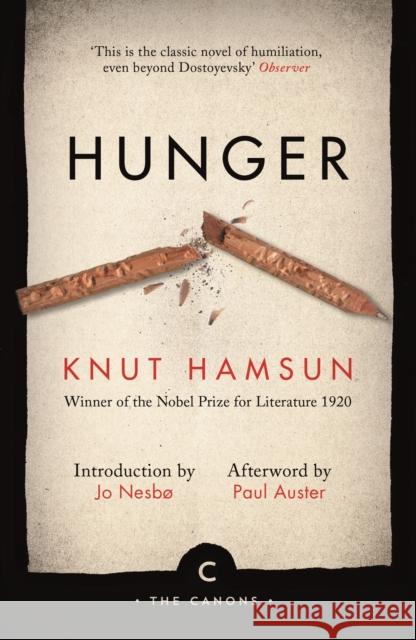
Nineteenth-century Kristiania is an unforgiving place, and work is thin on the ground. Roaming the streets of Norway's capital, a penniless young writer searches for inspiration whilst trying desperately to make ends meet. Driven to extraordinary lengths, sleeping under the stars with his stomach growling, the writer's behaviour becomes increasingly irrational and his world spirals into chaos.
Hunger was Knut Hamsun's first novel and earned him the Nobel Prize for Literature in 1920. A disturbing and...
INTRODUCTION BY JO NESBO AFTERWORD BY PAUL AUSTER
Nineteenth-century Kristiania is an unforgiving place, and work is thin on...