Layer of protection analysis (LOPA) is a recently developed, simplified method of risk assessment that provides the much-needed middle ground between a qualitative process hazard analysis and a traditional, expensive quantitative risk analysis. Beginning with an identified accident scenario, LOPA uses simplifying rules to evaluate initiating event frequency, independent layers of protection, and consequences to provide an order-of-magnitude estimate of risk. LOPA has also proven an excellent approach for determining the safety integrity level necessary for an instrumented safety system, an...
Layer of protection analysis (LOPA) is a recently developed, simplified method of risk assessment that provides the much-needed middle ground between ...
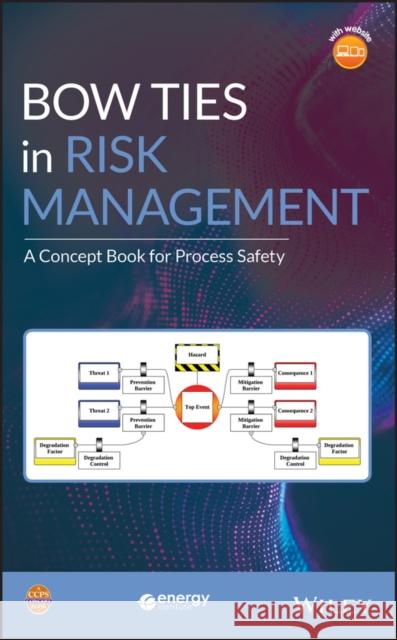
The initial Layer of protection analysis (LOPA) book published in 2001 set the rules and approaches for using LOPA as an intermediate method between purely qualitative hazards evaluation/analysis and more quantitative analysis methods. Basic LOPA provides an order-of-magnitude risk estimate of risk with fairly reproducible results. LOPA results are considered critical in determining safety integrity level for design of safety instrumented systems.
This guideline clarifies key concepts and reinforces the limitations and the requirements of LOPA. The main scope of the guideline is to provide...
The initial Layer of protection analysis (LOPA) book published in 2001 set the rules and approaches for using LOPA as an intermediate method between p...
The book is a guide for Layers of Protection Analysis (LOPA) practitioners. It explains the onion skin model and in particular, how it relates to the use of LOPA and the need for non-safety instrumented independent protection layers. It provides specific guidance on Independent Protection Layers (IPLs) that are not Safety Instrumented Systems (SIS). Using the LOPA methodology, companies typically take credit for risk reductions accomplished through non-SIS alternatives; i.e. administrative procedures, equipment design, etc. It addresses issues such as how to ensure the effectiveness and...
The book is a guide for Layers of Protection Analysis (LOPA) practitioners. It explains the onion skin model and in particular, how it relates to the ...
The 2nd edition provides an update of information since the publication of the first edition including best practices for managing process safety developed by industry as well as incorporate the additional process safety elements. In addition the book includes a focus on maintaining and improving a Process Safety Management (PSM) System. This 2nd edition also provides -how to information to- determine process safety performance status, implement one or more new elements into an existing PSM system, maintain or improve an existing PSM system, and manage future process safety...
The 2nd edition provides an update of information since the publication of the first edition including best practices for managing process safety d...