In the West, we have identified only four basic tastes--sour, sweet, salty, and bitter--that, through skillful combination and technique, create delicious foods. Yet in many parts of East Asia over the past century, an additional flavor has entered the culinary lexicon: umami, a fifth taste impression that is savory, complex, and wholly distinct. Combining culinary history with recent research into the chemistry, preparation, nutrition, and culture of food, Mouritsen and StyrbA]k encapsulate what we know to date about the concept of umami, from ancient times to today. Umami can be found...
In the West, we have identified only four basic tastes--sour, sweet, salty, and bitter--that, through skillful combination and technique, create delic...
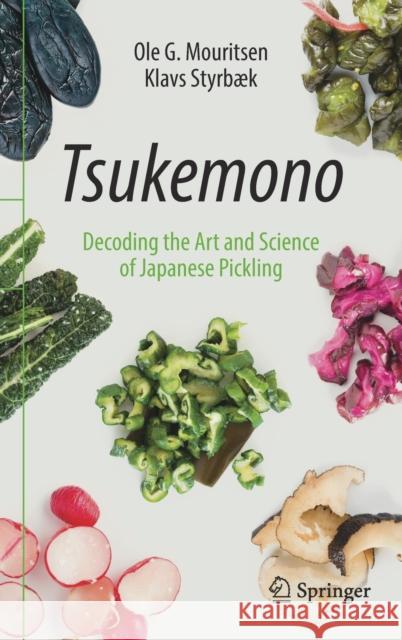
One of the best-kept secrets of Japanese cuisine is a range of side dishes known as tsukemono (つけもの, 漬物). The word, pronounced ‘tskay-moh-noh,’ means ‘something that has been steeped or marinated’ (tsuke—steeped; mono—things). Although tsukemono are usually made from vegetables, some fruits, flowers, and a few rhizomes are also preserved this way; it is, therefore, more accurate to characterize them as ‘pickled foods.’ Their preparation makes use of one or more conservation techniques, involving ingredients such as salt, sugar, vinegar, alcohol, and herbs, in...
One of the best-kept secrets of Japanese cuisine is a range of side dishes known as tsukemono (つけもの, 漬物). The word, pronounced ‘tskay...