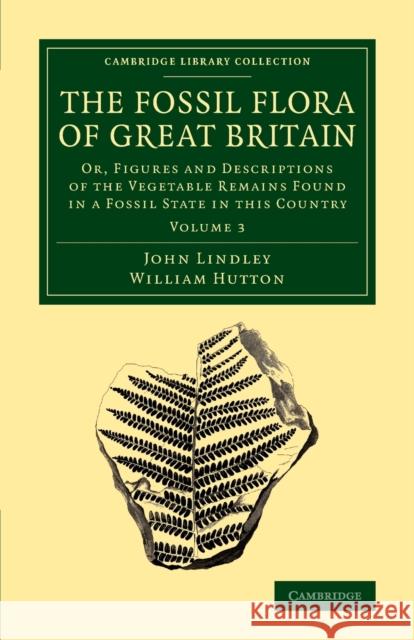
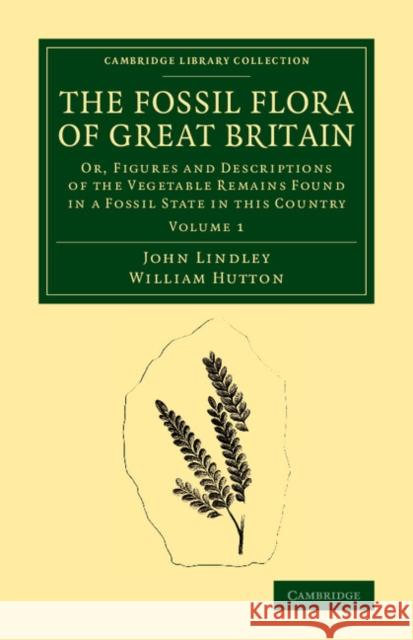
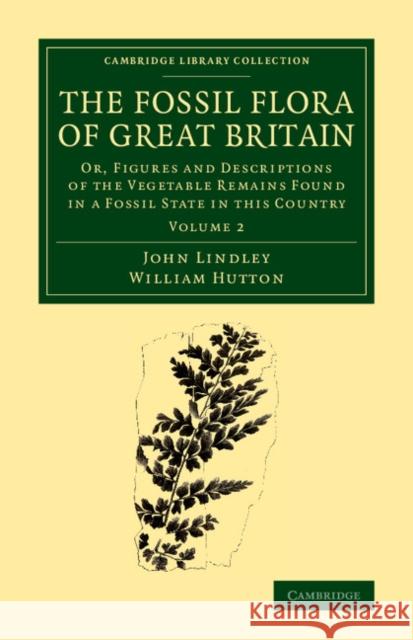
Employed early on in his career by Sir Joseph Banks, the botanist John Lindley (1799 1865) went on to conduct important research on the orchid family and also recommended that Kew Gardens should become a national botanical institution. This pioneering three-volume work of palaeobotany, first published between 1831 and 1837, catalogues almost 300 species of fossil plants from the Pleistocene to the Carboniferous period. The geologist and palaeontologist William Hutton (1797 1860), with whom Lindley collaborated, was responsible for collecting the fossil specimens from which the 230 plates were...
Employed early on in his career by Sir Joseph Banks, the botanist John Lindley (1799 1865) went on to conduct important research on the orchid family ...
Employed early on in his career by Sir Joseph Banks, the botanist John Lindley (1799 1865) went on to conduct important research on the orchid family and also recommended that Kew Gardens should become a national botanical institution. This pioneering three-volume work of palaeobotany, first published between 1831 and 1837, catalogues almost 300 species of fossil plants from the Pleistocene to the Carboniferous period. The geologist and palaeontologist William Hutton (1797 1860), with whom Lindley collaborated, was responsible for collecting the fossil specimens from which the 230 plates were...
Employed early on in his career by Sir Joseph Banks, the botanist John Lindley (1799 1865) went on to conduct important research on the orchid family ...
Employed early on in his career by Sir Joseph Banks, the botanist John Lindley (1799 1865) went on to conduct important research on the orchid family and also recommended that Kew Gardens should become a national botanical institution. This pioneering three-volume work of palaeobotany, first published between 1831 and 1837, catalogues almost 300 species of fossil plants from the Pleistocene to the Carboniferous period. The geologist and palaeontologist William Hutton (1797 1860), with whom Lindley collaborated, was responsible for collecting the fossil specimens from which the 230 plates were...
Employed early on in his career by Sir Joseph Banks, the botanist John Lindley (1799 1865) went on to conduct important research on the orchid family ...
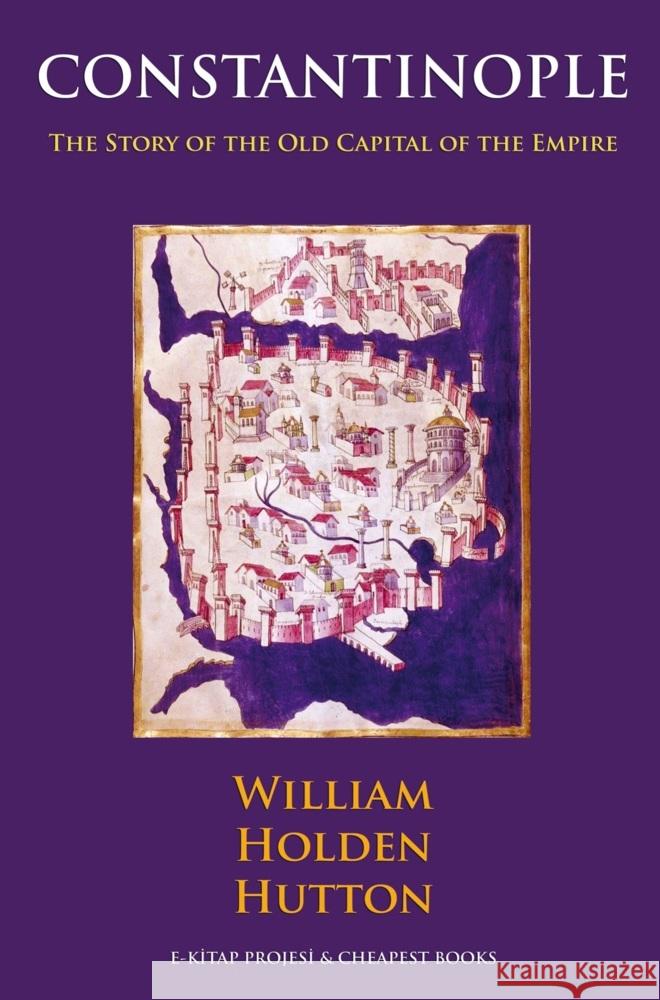
South of the Golden Horn, on the narrow tongue of land-narrow it seems as seen from the hills of the northern shore-is the city of Constantine and his successors in empire, seated, like the old Rome, on seven hills, and surrounded on three sides by sea, on the fourth by the still splendid, though shattered, mediæval walls. Northwards are the two towns, now linked together, of Pera and Galata, that look back only to the trading settlements of the Middle Ages. The single spot united, as Gibbon puts it, the prospects of beauty, of safety, and of wealth: and in a masterly description that great...
South of the Golden Horn, on the narrow tongue of land-narrow it seems as seen from the hills of the northern shore-is the city of Constantine and his...