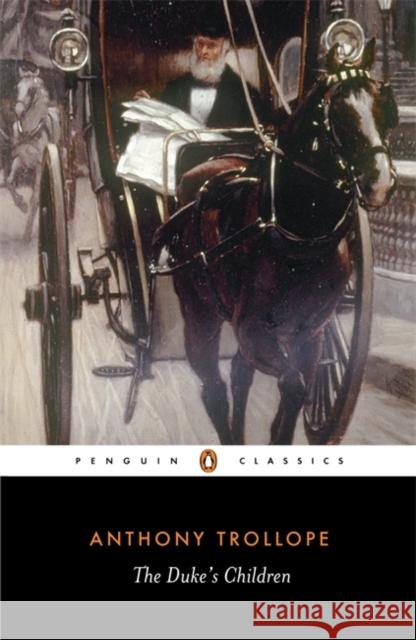
Plantagenet Palliser, the Duke of Omnium and former Prime Minister of England, is widowed and wracked by grief. Struggling to adapt to life without his beloved Lady Glencora, he works hard to guide and support his three adult children. Palliser soon discovers, however, that his own plans for them are very different from their desires...
Plantagenet Palliser, the Duke of Omnium and former Prime Minister of England, is widowed and wracked by grief. Struggling to adapt to life without hi...
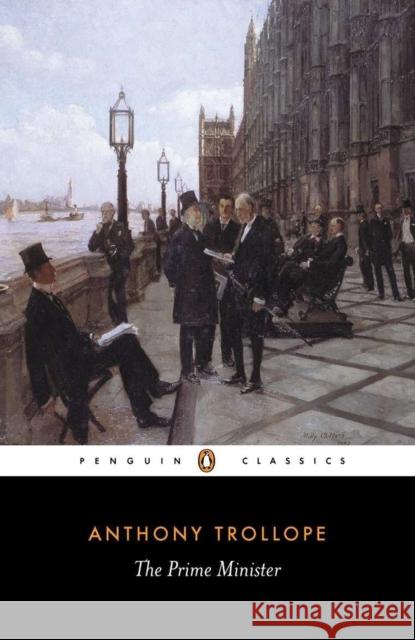
Plantaganet Palliser, Prime Minister of England - a man of power and prestige, with all the breeding and inherited wealth that goes with it - is appalled at the inexorable rise of Ferdinand Lopez. An exotic impostor, seemingly from nowhere, Lopez has society at his feet, while well-connected ladies vie with each other to exert influence on his behalf - even Palliser's own wife, Lady Glencora. But when the interloper makes a socially advantageous marriage, Palliser must decide whether to stand by his wife's support for Lopez in a by-election or leave him to face exposure as a fortune-hunting...
Plantaganet Palliser, Prime Minister of England - a man of power and prestige, with all the breeding and inherited wealth that goes with it - is appal...
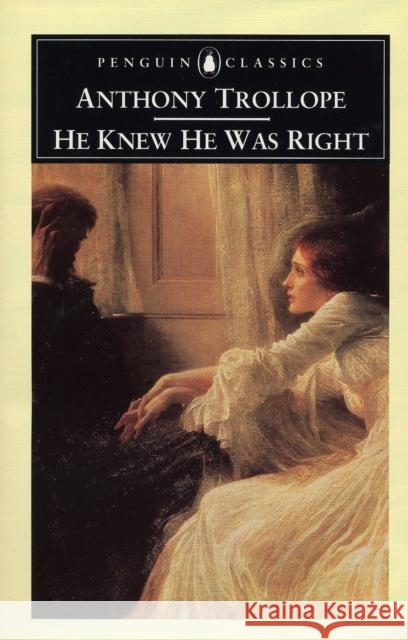
The central theme of the novel is the sexual jealousy of Louis Trevelyan who unjustly accuses his wife Emily of a liaison with a friend of her father's. As his suspicion deepens into madness, Trollope gives us a profound psychological study in which Louis' obsessive delirium is comparable to the tormented figure of Othello, tragically flawed by self-deception. Against the disintegration of the Trevelyans' marriage, a lively cast of characters explore the ideas of female emancipation and how to distinguish between obedience and subjection. Although himself no supporter of women's rights, in...
The central theme of the novel is the sexual jealousy of Louis Trevelyan who unjustly accuses his wife Emily of a liaison with a friend of her father'...
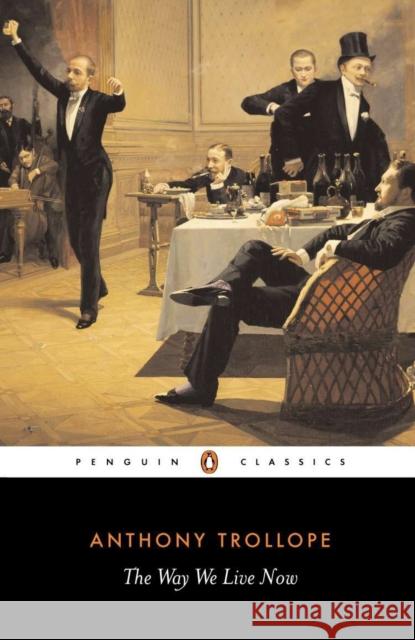
"Trollope did not write for posterity," observed Henry James. "He wrote for the day, the moment; but these are just the writers whom posterity is apt to put into its pocket." Considered by contemporary critics to be Trollope's greatest novel, The Way We Live Now is a satire of the literary world of London in the 1870s and a bold indictment of the new power of speculative finance in English life. "I was instigated by what I conceived to be the commercial profligacy of the age," Trollope said. His story concerns Augustus Melmotte, a French swindler and scoundrel, and his...
"Trollope did not write for posterity," observed Henry James. "He wrote for the day, the moment; but these are just the writers whom posterity is a...
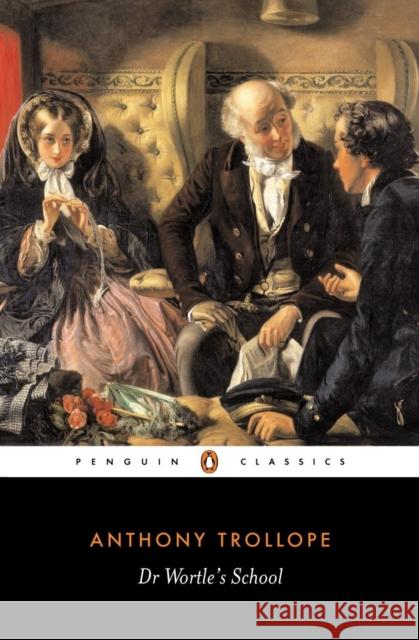
Mr Peacocke, a Classical scholar, has come to Broughtonshire with his beautiful American wife to live as a schoolmaster. But when the blackmailing brother of her American first husband appears at the school gates, their dreadful secret is revealed, and the county is scandalized. In the character of Dr Wortle, the combative but warm-hearted headmaster, who takes the couple's part in the face of general ostracism, there is an element of self-portrait. There are echoes, too, in Wortle's gallantry to Mrs Peacocke, of Trollope's own attachment to the vivacious Bostonian, Kate Field.
With its...
Mr Peacocke, a Classical scholar, has come to Broughtonshire with his beautiful American wife to live as a schoolmaster. But when the blackmailing bro...
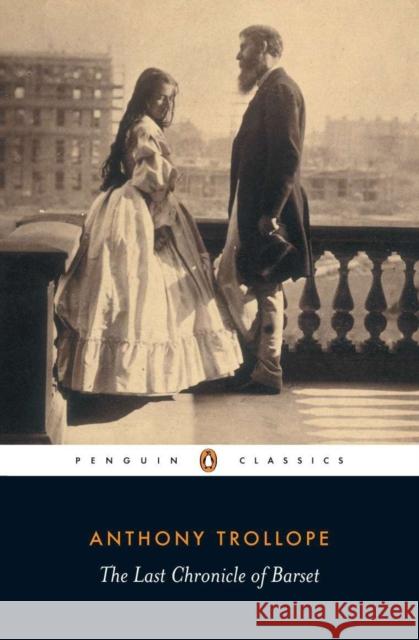
Anthony Trollope was a masterful satirist with an unerring eye for the most intrinsic details of human behavior and an imaginative grasp of the preoccupations of nineteenth-century English novels. In The Last Chronicle of Barset, Mr. Crawley, curate of Hogglestock, falls deeply into debt, bringing suffering to himself and his family. To make matters worse, he is accused of theft, can't remember where he got the counterfeit check he is alleged to have stolen, and must stand trial. Trollope's powerful portrait of this complex man-gloomy, brooding, and proud, moving relentlessly from one...
Anthony Trollope was a masterful satirist with an unerring eye for the most intrinsic details of human behavior and an imaginative grasp of the preocc...
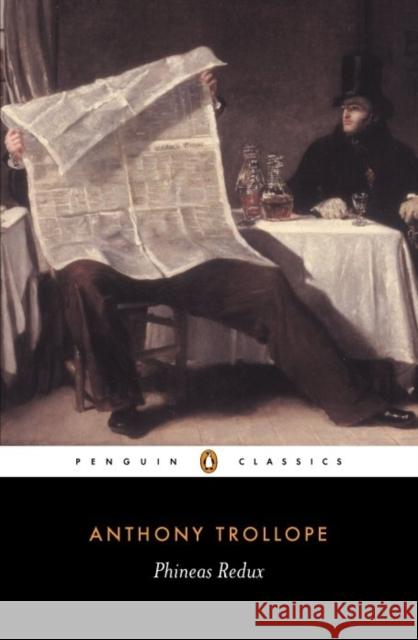
In the fourth of the 'Palliser' stories, Trollope follows Phineas Finn's return to the dangerous world of Westminster politics. When his political rival is murdered, Phineas is thrown under suspicion and eventually finds himself standing trial at the Old Bailey. The situation is complicated by the presence of two women in his life: his old flame Lady Laura, whose estranged husband is determined to destroy Phineas's reputation, and the wealthy and enimgatic widow, Madame Max. For more than seventy years, Penguin has been the leading publisher of classic literature in the English-speaking...
In the fourth of the 'Palliser' stories, Trollope follows Phineas Finn's return to the dangerous world of Westminster politics. When his political riv...
Tells the story of a quiet cathedral town shaken by scandal. This title presents a drama of conscience that pits individual integrity against worldly ambition.
Tells the story of a quiet cathedral town shaken by scandal. This title presents a drama of conscience that pits individual integrity against worldly ...
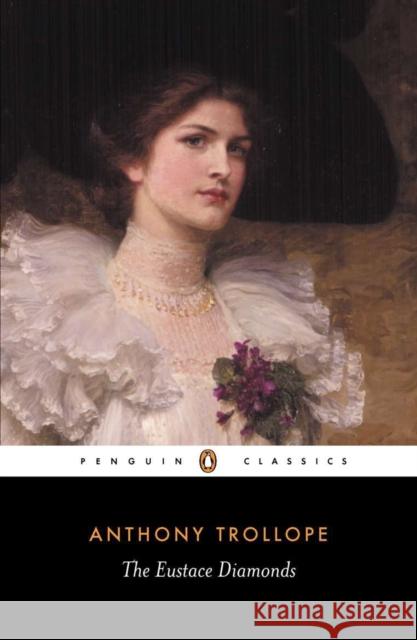
The third novel in Trollope's Palliser series, The Eustace Diamonds bears all the hallmarks of his later works, blending dark cynicism with humor and a keen perception of human nature. Following the death of her husband, Sir Florian, beautiful Lizzie Eustace mysteriously comes into possession of a hugely expensive diamond necklace. She maintains it was a gift from her husband, but the Eustace lawyers insist she give it up, and while her cousin Frank takes her side, her new lover, Lord Fawn, declares that he will only marry her if the necklace is surrendered. As gossip and scandal...
The third novel in Trollope's Palliser series, The Eustace Diamonds bears all the hallmarks of his later works, blending dark cynicism with hum...
Arabella Trefoil, the beautiful anti-heroine of this novel, inspired Trollope to write of her, "I wished to express the depth of my scorn for women who run down husbands." Arabella's determination to find a rich husband is at the heart of this story and her character, though often maligned, is one of Trollope's most famous and vivid creations. About the Series: For over 100 years Oxford World's Classics has made available the broadest spectrum of literature from around the globe. Each affordable volume reflects Oxford's commitment to scholarship, providing the most accurate text plus a...
Arabella Trefoil, the beautiful anti-heroine of this novel, inspired Trollope to write of her, "I wished to express the depth of my scorn for women wh...