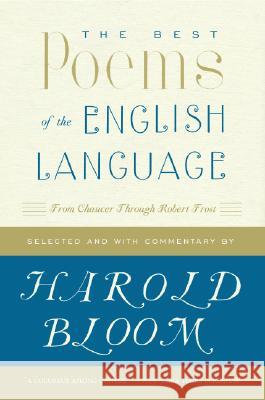
This comprehensive anthology attempts to give the common reader possession of six centuries of great British and American poetry. The book features a large introductory essay by Harold Bloom called "The Art of Reading Poetry," which presents his critical reflections of more than half a century devoted to the reading, teaching, and writing about the literary achievement he loves most. In the case of all major poets in the language, this volume offers either the entire range of what is most valuable in their work, or vital selections that illuminate each figure′s contribution. There...
This comprehensive anthology attempts to give the common reader possession of six centuries of great British and American poetry. The book features...
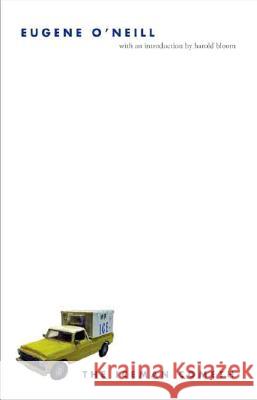
Eugene O'Neill was the first American playwright to win the Nobel Prize in Literature. He completed The Iceman Cometh in 1939, but he delayed production until after the war, when it enjoyed a long run of performances in 1946 after receiving mixed reviews. Three years after O'Neill's death, Jason Robards starred in a Broadway revival that brought new critical attention to O'Neill's darkest and most nihilistic play. In the half century since, The Iceman Cometh has gained enormously in stature, and many critics now recognize it as one of the greatest plays in American drama. The...
Eugene O'Neill was the first American playwright to win the Nobel Prize in Literature. He completed The Iceman Cometh in 1939, but he delayed p...
In the vastly influential The Western Canon, Harold Bloom outlined what we should read to understand a greater depth of the individual self. How to Read and Why continues the argument and focusses on how we use literature in order to gain deeper self-awareness. Poems, stories, novels, plays and parables are all analyzed as forms of writing as immersion, the language of individuality and inwardness: Shakespeare's sonnets, the short stories of Hemingway and de Cervantes, the novels of Proust and Calvino, Sophocles's Oedipus Rex and Mark's Gospel. Harold Bloom also addresses the idea of why we...
In the vastly influential The Western Canon, Harold Bloom outlined what we should read to understand a greater depth of the individual self. How to Re...
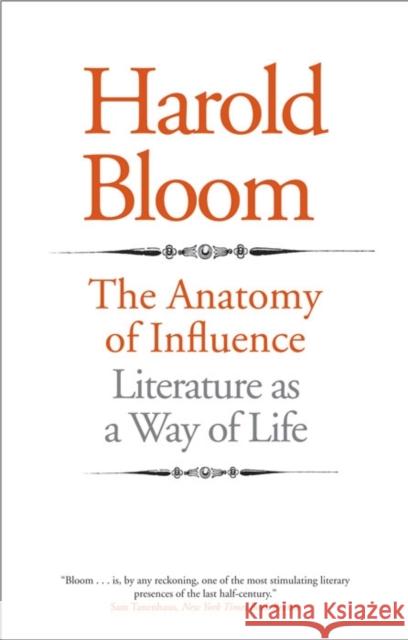
"Literary criticism, as I attempt to practice it," writes Harold Bloom in The Anatomy of Influence, "is in the first place literary, that is to say, personal and passionate."
For more than half a century, Bloom has shared his profound knowledge of the written word with students and readers. In this, his most comprehensive and accessible study of influence, Bloom leads us through the labyrinthine paths which link the writers and critics who have informed and inspired him for so many years. The result is "a critical self-portrait," a sustained meditation on a life lived with...
"Literary criticism, as I attempt to practice it," writes Harold Bloom in The Anatomy of Influence, "is in the first place literary, that is...
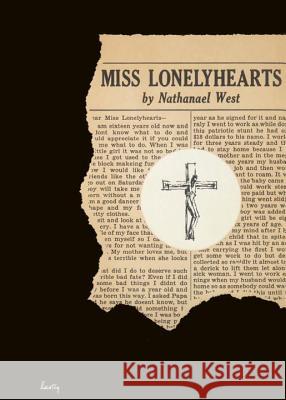
Praised by great writers from Flannery O Conner to Jonathan Lethem, Miss Lonelyhearts is an American classic. A newspaper reporter assigned to write the agony column in the depths of the Great Depression seeks respite from the poor souls who send in their sad letters, only to be further tormented by his viciously cynical editor, Shrike. This single volume of Miss Lonelyhearts features its original Alvin Lustig jacket design, as well as a new introduction by Harold Bloom, who calls it my favorite work of modern American fiction.
Praised by great writers from Flannery O Conner to Jonathan Lethem, Miss Lonelyhearts is an American classic. A newspaper reporter assigned to write t...
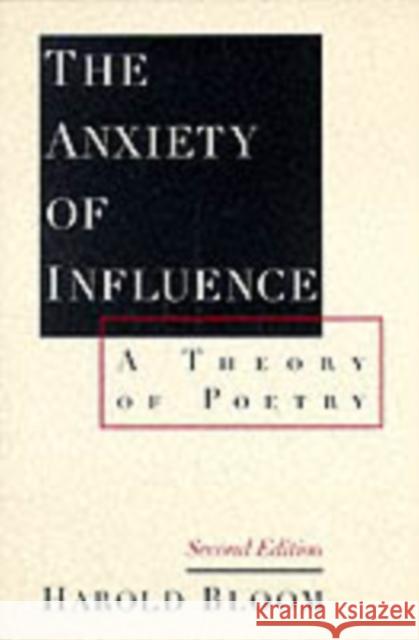
Harold Bloom's The Anxiety of Influence has cast its own long shadow of influence since it was first published in 1973. Through an insightful study of Romantic poets, Bloom puts forth his central vision of the relations between tradition and the individual artist. Although Bloom was never theleader of any critical "camp," his argument that all literary texts are a response to those that precede them had an enormous impact on the practice of deconstruction and poststructuralist literary theory in this country. The book remains a central work of criticism for all students of...
Harold Bloom's The Anxiety of Influence has cast its own long shadow of influence since it was first published in 1973. Through an insightful stud...
Uncovers the mystery of both Prince Hamlet and the play, how both prince and drama are able to break through the conventions of theatrical mimesis and the representation of character, making us question the very nature of theatrical illusion.
Uncovers the mystery of both Prince Hamlet and the play, how both prince and drama are able to break through the conventions of theatrical mimesis and...