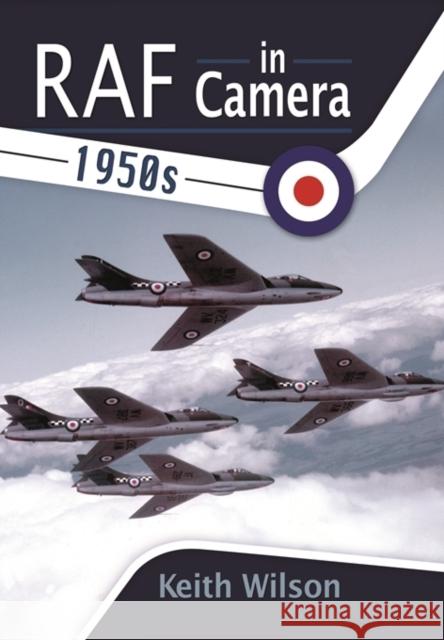
For aviation, the 1950s was a fascinating decade. For the Royal Air Force, it witnessed the transition from propeller to jet aircraft in the fields of fighter, bomber, trainer and transport aircraft. The 1950s saw the end of the Second World War veterans - Lancasters, Spitfires, Mosquitoes and Sunderlands. They were replaced by the first generation of jet aircraft including the Vampire, Hunter, Javelin and, at the end of the decade, the English Electric P.1 - later named the Lightning. This photographic record of the RAF during the period illustrates all the varied and wonderful array of...
For aviation, the 1950s was a fascinating decade. For the Royal Air Force, it witnessed the transition from propeller to jet aircraft in the fields of...
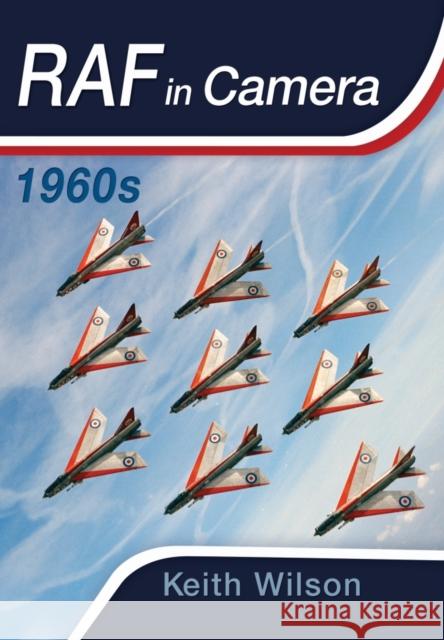
The Swinging Sixties was a remarkable decade. For the Royal Air Force it was a most interesting period in their history, representing a period of base closures, contraction and a significant change in equipment - especially in the level of technology operated. In 1960, all three of the V-bombers - Valiant, Vulcan and Victor - were in service. The English Electric Lightning established a firm place in British aviation history by being the first single-seat fighter designed to exceed the speed of sound in level flight. Within Transport Command, the Britannia C.1 was operating alongside the...
The Swinging Sixties was a remarkable decade. For the Royal Air Force it was a most interesting period in their history, representing a period of base...
In The Limits of Eurocentricity, Keith Wilson argues that the British Empire did not reorient itself towards Europe at the beginningo f the twentieth century as has long been assumed.
In The Limits of Eurocentricity, Keith Wilson argues that the British Empire did not reorient itself towards Europe at the beginningo f the twentieth ...