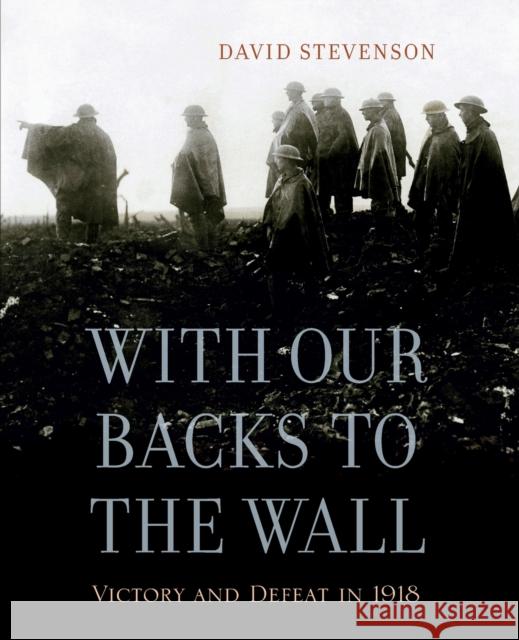
With so much at stake and so much already lost, why did World War I end with a whimper--an arrangement between two weary opponents to suspend hostilities? After more than four years of desperate fighting, with victories sometimes measured in feet and inches, why did the Allies reject the option of advancing into Germany in 1918 and taking Berlin? Most histories of the Great War focus on the avoidability of its beginning. This book brings a laser-like focus to its ominous end--the Allies' incomplete victory, and the tragic ramifications for world peace just two decades later.
In the most...
With so much at stake and so much already lost, why did World War I end with a whimper--an arrangement between two weary opponents to suspend hosti...
The author tells the story of the final year of the First World War, and goes to the roots of this dramatic reversal of fortune, analysing the reasons for Allied success and the collapse of Germany and its partners. Everything from food supply to finance, from strategy to technology, logistics and morale is explored.
The author tells the story of the final year of the First World War, and goes to the roots of this dramatic reversal of fortune, analysing the reasons...
In the summer of 1914 Europe exploded into a frenzy of mass violence. The war that followed had global repercussions and David Stevenson re-examines the causes, course and impact of this 'war to end war' placing it in the context of its era and exposing its underlying dynamics. This is a wide-ranging international history.
In the summer of 1914 Europe exploded into a frenzy of mass violence. The war that followed had global repercussions and David Stevenson re-examines t...