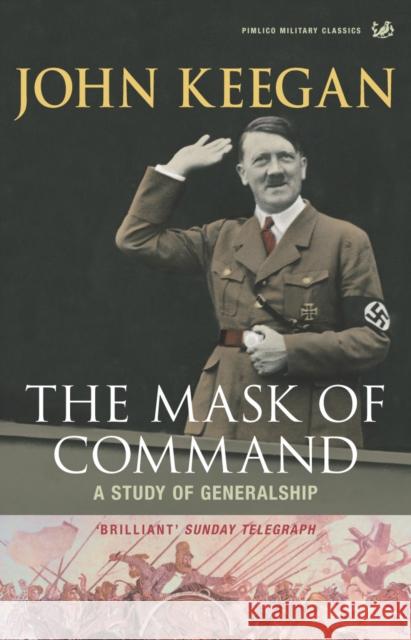
Most studies of generalship have focused on individual character and behaviour. While these are not neglected in this remarkable book, its central argument is that, like warfare itself, generalship is a cultural enterprise, providing a key to understanding a particular era or place, as much as it is an exercise in power or military skill. Through portraits of four generals archetypal hero Alexander the Great, anti-hero Wellington, the unheroic Ulysses S. Grant and the false heroic of Hitler John Keegan propounds the view of heroism in warfare as inextricably linked with the political...
Most studies of generalship have focused on individual character and behaviour. While these are not neglected in this remarkable book, its central arg...
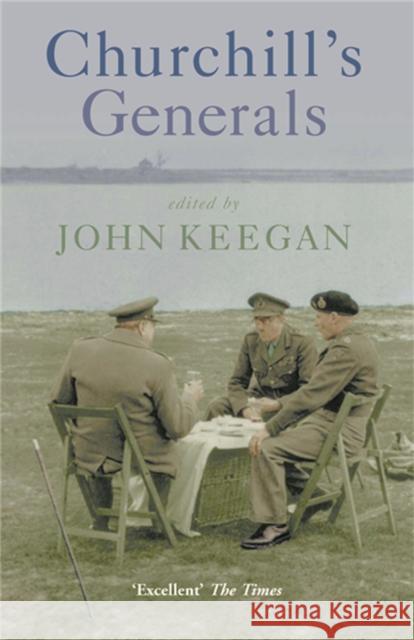
A unique collection of essays by eminent historians--and edited by one of the world's most acclaimed military writers: John Keegan. Churchill's reputation as Prime Minister during World War II fluctuated according to the successes and failures of his generals. Most were household names--even heroes. Yet all were prey to the intolerance, interference, irascibility, and inspiration of Britain's leader, who wanted to be both the general in the field and the presiding strategic genius. Yet, despite sacking his warlords ruthlessly, in the end Churchill was served by perhaps the greatest generals...
A unique collection of essays by eminent historians--and edited by one of the world's most acclaimed military writers: John Keegan. Churchill's reputa...
This magisterial history of the first modern war is on the scale of John Keegan's classics, 'A History of Warfare' and 'The First World War'. In his sweeping, unputdownable narrative he highlights geography, leadership and strategic logic at the heart of the conflict.
This magisterial history of the first modern war is on the scale of John Keegan's classics, 'A History of Warfare' and 'The First World War'. In his s...
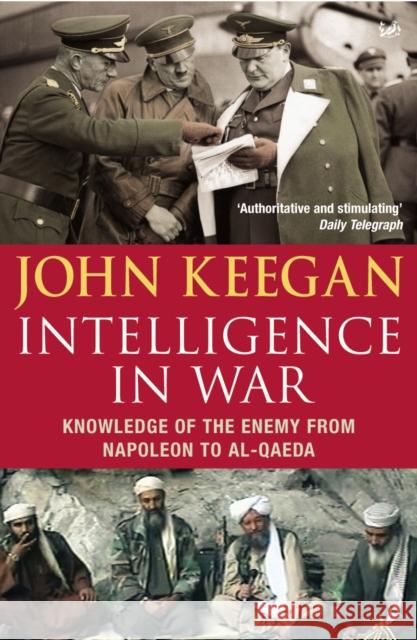
'No war can be conducted successfully without early and good intelligence, ' wrote Marlborough, and from the earliest times commanders have sought knowledge of the enemy, his strengths and weaknesses, his dispositions and intentions
'No war can be conducted successfully without early and good intelligence, ' wrote Marlborough, and from the earliest times commanders have sought kno...
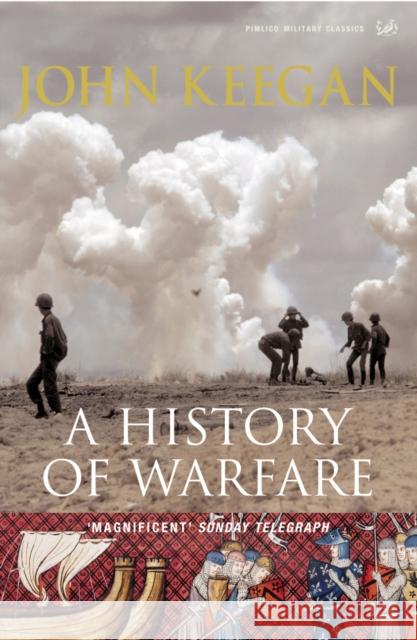
A History of Warfare stresses that warmaking, for all its destructiveness, has been an inescapable feature of human culture since organised societies emerged.
A History of Warfare stresses that warmaking, for all its destructiveness, has been an inescapable feature of human culture since organised societies ...
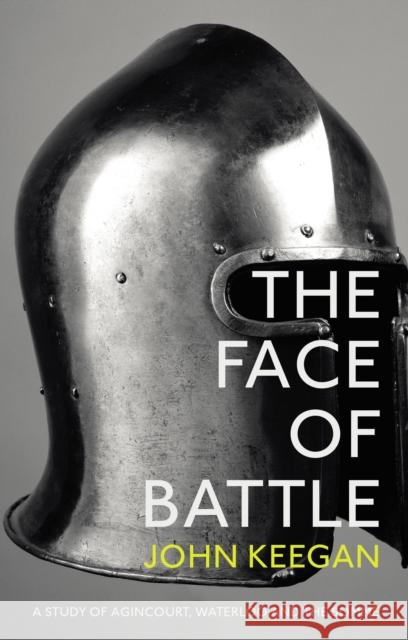
"The most brilliant evocation of military experience in our time." --C. P. Snow The Face of Battle is military history from the battlefield: a look at the direct experience of individuals at 'the point of maximum danger'. It examines the physicial conditions of fighting, the particular emotions and behaviour generated by battle, as well as the motives that impel soldiers to stand and fight rather than run away. In his scrupulous reassessment of three battles, John Keegan vividly conveys the reality for the participants, whether facing the arrow cloud of Agincourt, the...
"The most brilliant evocation of military experience in our time." --C. P. Snow The Face of Battle is military history from the bat...
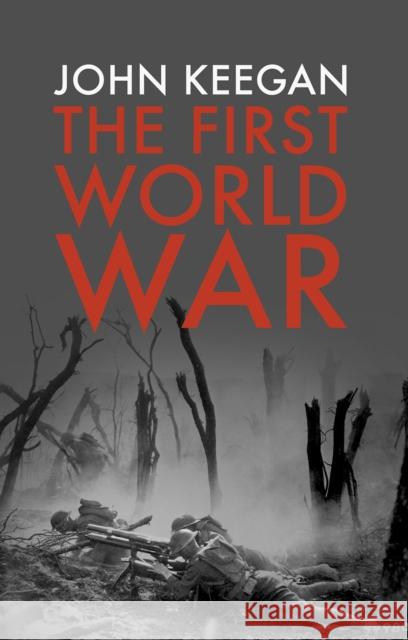
The First World War created the modern world. It destroyed a century of relative peace and prosperity and saw a continent at the height of its success descend into slaughter. It unleashed both the demons of the twentieth century - political hatred, military destruction and mass death - and the ideas which continue to shape our world today: mdoernism in the arts, new approaches to psychology and medecine, and radical ideas about economics and society. John Keegan's definitive account unforgettably portrays the unfolding military conflict on land, sea and in the air. But at its heart, too, is...
The First World War created the modern world. It destroyed a century of relative peace and prosperity and saw a continent at the height of its success...