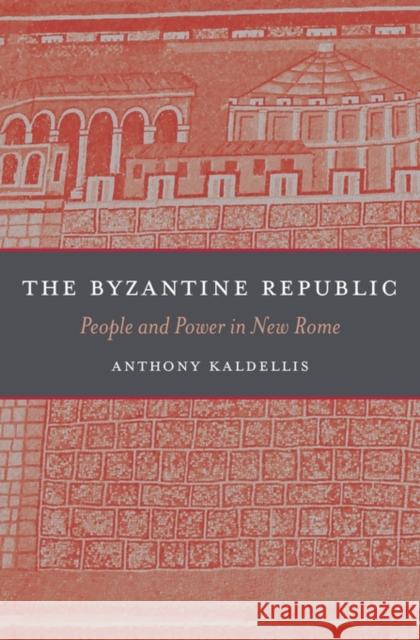
Although Byzantium is known to history as the Eastern Roman Empire, scholars have long claimed that this Greek Christian theocracy bore little resemblance to Rome. Here, in a revolutionary model of Byzantine politics and society, Anthony Kaldellis reconnects Byzantium to its Roman roots, arguing that from the fifth to the twelfth centuries CE the Eastern Roman Empire was essentially a republic, with power exercised on behalf of the people and sometimes by them too. The Byzantine Republic recovers for the historical record a less autocratic, more populist Byzantium whose...
Although Byzantium is known to history as the Eastern Roman Empire, scholars have long claimed that this Greek Christian theocracy bore little rese...
This companion to the two-volume Dumbarton Oaks Medieval Library edition and translation of The Histories by Laonikos Chalkokondyles is the first book-length investigation of an author who has been poorly studied. Providing biographical and intellectual context for Laonikos, Anthony Kaldellis shows how the author synthesized his classical models to fashion his own distinctive voice and persona as a historian. Indebted to his teacher Plethon for his global outlook, Laonikos was one of the first historians to write with a pluralist's sympathy for non-Greek ethnic groups, including...
This companion to the two-volume Dumbarton Oaks Medieval Library edition and translation of The Histories by Laonikos Chalkokondyles is the fir...
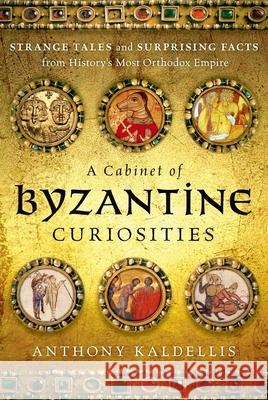
Weird, decadent, degenerate, racially mixed, superstitious, theocratic, effeminate, and even hyper-literate, Byzantium has long been regarded by many as one big curiosity. According to Voltaire, it represented "a worthless collection of miracles, a disgrace for the human mind"; for Hegel, it was "a disgusting picture of imbecility." A Cabinet of Byzantine Curiosities will churn up these old prejudices, while also stimulating a deeper interest among readers in one of history's most interesting civilizations. Many of the zanier tales and trivia that are collected here revolve...
Weird, decadent, degenerate, racially mixed, superstitious, theocratic, effeminate, and even hyper-literate, Byzantium has long been regarded by many ...
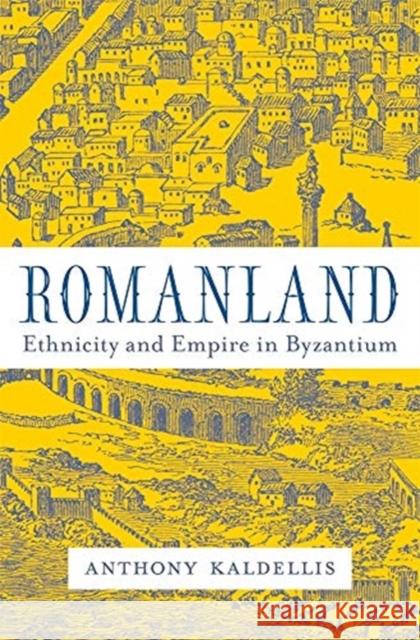
Was there ever such a thing as Byzantium? Certainly no emperor ever called himself Byzantine. While the identities of eastern minorities were clear, that of the ruling majority remains obscured behind a name made up by later generations. Anthony Kaldellis says it is time for the Romanness of these so-called Byzantines to be taken seriously.
Was there ever such a thing as Byzantium? Certainly no emperor ever called himself Byzantine. While the identities of eastern minorities were clear, t...