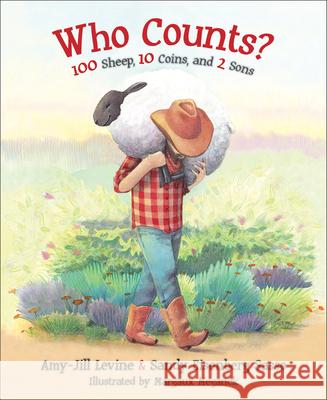
“One sheep makes a difference. Without her something is missing. Now my flock is complete.” Oh, no! The man is missing his sheep! The woman is missing her coin! The father is missing his son! Can you help them find what they are looking for? Who Counts? is a creative retelling of three popular parables: the lost sheep, the lost coin, and the prodigal son. As young readers count to help the characters find what’s missing, Who Counts? teaches that every one of us counts in God’s eyes and that everyone should feel counted. The stories are beautifully illustrated with modern-day...
“One sheep makes a difference. Without her something is missing. Now my flock is complete.” Oh, no! The man is missing his sheep! The woman is mi...
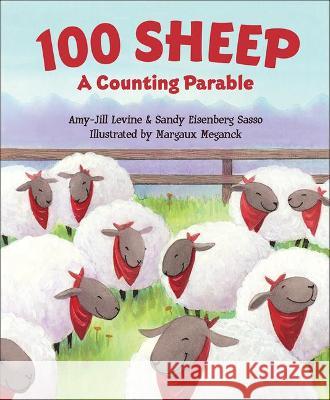
One sheep is missing! Where can it be? This board-book version of the Parable of the Lost Sheep is adapted from the picture book Who Counts? 100 Sheep, 10 Coins, and 2 Sons, first in the popular series of parables retold by Amy-Jill Levine and Sandy Eisenberg Sasso. With accessible language and sturdy pages just right for little hands, 100 Sheep: A Counting Parable builds early counting skills while showing that God's love finds us wherever we go.
One sheep is missing! Where can it be? This board-book version of the Parable of the Lost Sheep is adapted from the picture book Who Counts? 100 Shee...
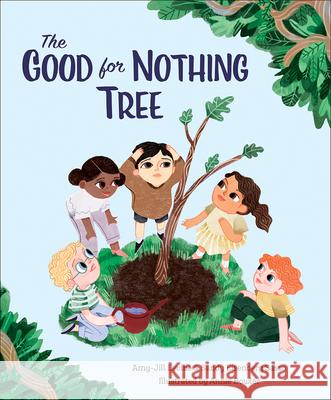
A tiny fig tree needs time to grow. But how much time? All four seasons go by . . . and there are no figs. The seasons pass again. Still no figs! Is the fig tree good for nothing? Inspired by the parable of the Barren Fig Tree, The Good for Nothing Tree reminds us that the sweetest figs, like many other things, are worth waiting for. Not every tree—and not every child—grows at the same pace. Yet patience, care, and love can change everything, making what may appear "good for nothing" very good. A note about the parable's New Testament origins and a recipe are included.
A tiny fig tree needs time to grow. But how much time? All four seasons go by . . . and there are no figs. The seasons pass again. Still no figs! Is t...