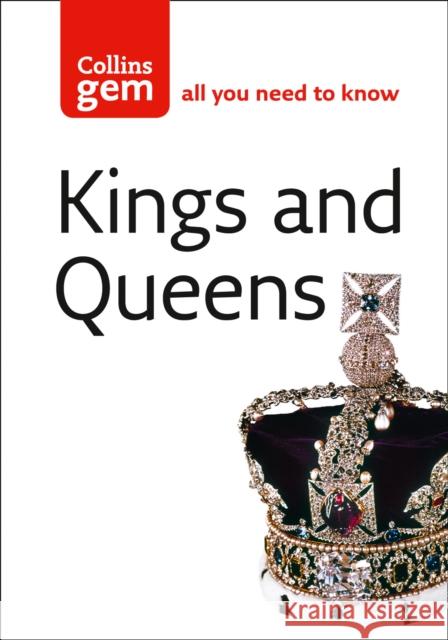
A copiously illustrated guide to the monarchs of the British Isles and Ireland from pre-Saxon times to the present, complete with concise genealogical charts and details of key historical events.
The book is divided into five sections, together with a Compendium at the end.
Part One, presents information about Pre-Saxon rule, including details about ancient British chiefs, Roman rulers and the Roman Conquest. Part Two provides information about Scotland, Ireland and Wales, with sections on Robert I and the Wars of Independence, The Union of the Crowns, the Princes of Wales and...
A copiously illustrated guide to the monarchs of the British Isles and Ireland from pre-Saxon times to the present, complete with concise genealogi...
In World War II the Britsh Bren light machine gun saw service in Commonwealth armies and in resistance forces throughout Europe, Africa, and Asia.
Adopted in 1938 and remaining in British service right up to 1991, the popular and reliable Bren was an iconic light machine gun, and probably the most recognisable Commonwealth weapon of World War II. Gas-operated and magazine-fed, it was based on a Czech design and was issued in large numbers during and after World War II as a section-level automatic weapon; it used the same .303in ammunition as the Lee-Enfield rifles that equipped...
In World War II the Britsh Bren light machine gun saw service in Commonwealth armies and in resistance forces throughout Europe, Africa, and Asia. ...
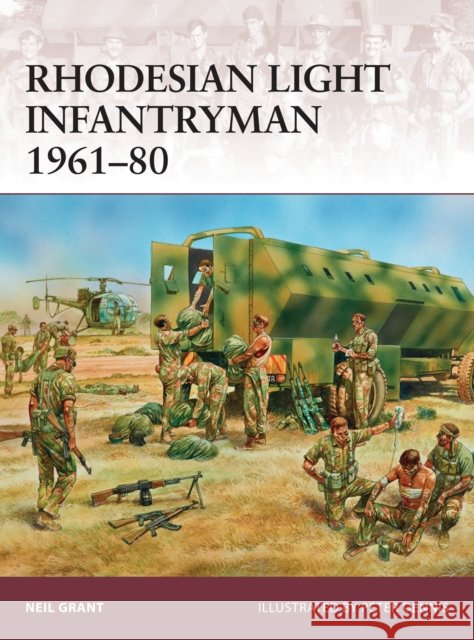
The 1st Battalion, The Rhodesian Light Infantry (RLI), was one of the most innovative and successful counter-insurgency units in modern history, developing and perfecting a range of tactics and operational concepts that have since become standard practise in modern military forces. Formed in 1961 and then re-formed in 1964 as a commando battalion after the dissolution of the Federation of Rhodesia and Nyasaland, the RLI was an all-white unit that incorporated foreign soldiers from South Africa, The UK, USA, Canada and Europe into its ranks. It was a key weapon in independent Rhodesia's...
The 1st Battalion, The Rhodesian Light Infantry (RLI), was one of the most innovative and successful counter-insurgency units in modern history, devel...
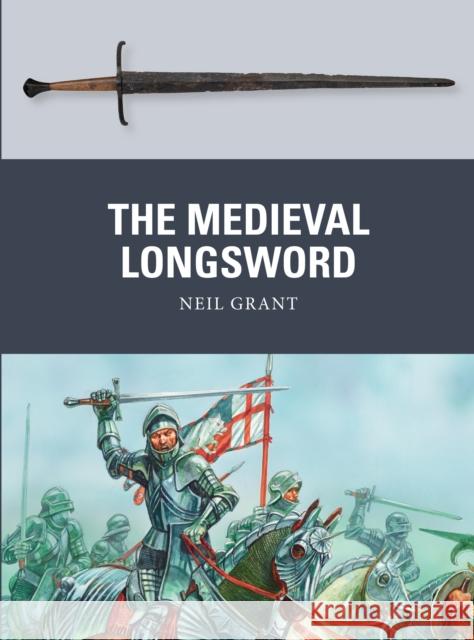
The formidable European longsword--featuring a double-edged straight blade in excess of 40 inches, and capable of being used with one or both hands--remains one of the most impressive and distinctive edged weapons of the late medieval era. Also known as the bastard sword or the hand-and-a-half sword, the longsword evolved from the war swords and great swords of the fourteenth century, and emerged as a battlefield weapon in the early stages of the Hundred Years' War. Fully illustrated, with specially commissioned full-color artwork and an array of period illustrations and close-up...
The formidable European longsword--featuring a double-edged straight blade in excess of 40 inches, and capable of being used with one or both hands...
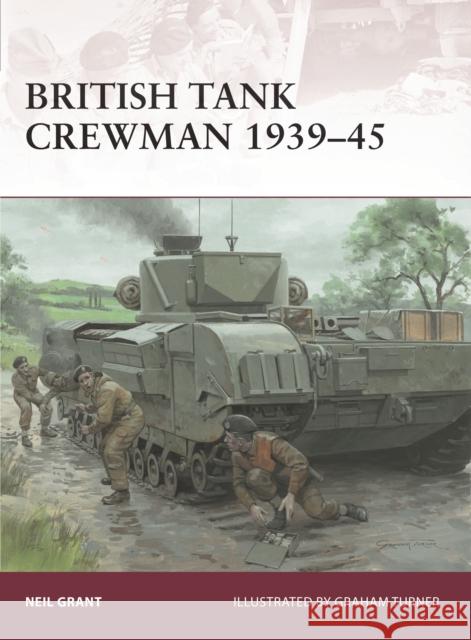
Great Britain had introduced the tank to the world during World War I, and maintained its lead in armoured warfare with the 'Experimental Mechanised Force' during the late 1920s, watched with interest by German advocates of Blitzkrieg. Despite these successes, the Experimental Mechanised Force was disbanded in the 1930s, making Britain relatively unprepared for World War II, both in terms of armoured doctrine and equipment.
This fully illustrated new study examines the men who crewed the tanks of Britain's armoured force during World War II, which was only four battalions large...
Great Britain had introduced the tank to the world during World War I, and maintained its lead in armoured warfare with the 'Experimental Mechanise...