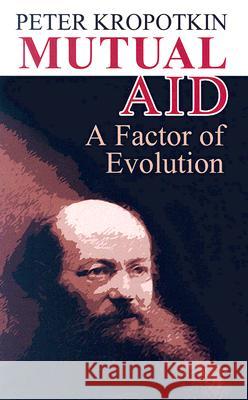
In this cornerstone of modern liberal social theory, Peter Kropotkin states that the most effective human and animal communities are essentially cooperative, rather than competitive. Kropotkin based this classic on his observations of natural phenomena and history, forming a work of stunning and well-reasoned scholarship. Essential to the understanding of human evolution as well as social organization, it offers a powerful counterpoint to the tenets of Social Darwinism. It also cites persuasive evidence of human nature's innate compatibility with anarchist society. "Kropotkin's basic...
In this cornerstone of modern liberal social theory, Peter Kropotkin states that the most effective human and animal communities are essentially coope...
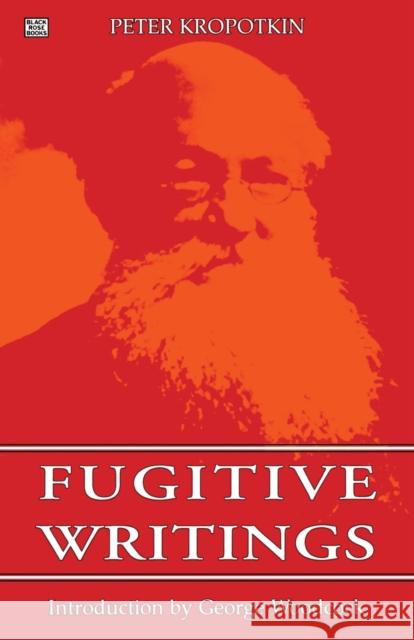
These essays, which either have not been previously published or have been out of print since their original publication, embrace Kropotkin's philosophy at a time when he was struggling to first give it expression.
These essays, which either have not been previously published or have been out of print since their original publication, embrace Kropotkin's philosop...
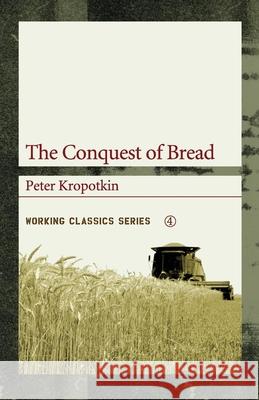
The fourth in AK Press Working Classics series, "The Conquest of Bread" is Peter Kropotkin s most extensive study of human needs and his outline of the most rational and equi-table means of satisfying them. A combination of detailed historical analysis and far-reaching utopian vision, this is a step-by-step guide to social revolution: the concrete means of achieving it, and the world that humanity s constructive genius is capable of creating. Includes a new introduction that historically situates and discusses the contemporary relevance of Kropotkin s ideas."
The fourth in AK Press Working Classics series, "The Conquest of Bread" is Peter Kropotkin s most extensive study of human needs and his outline o...
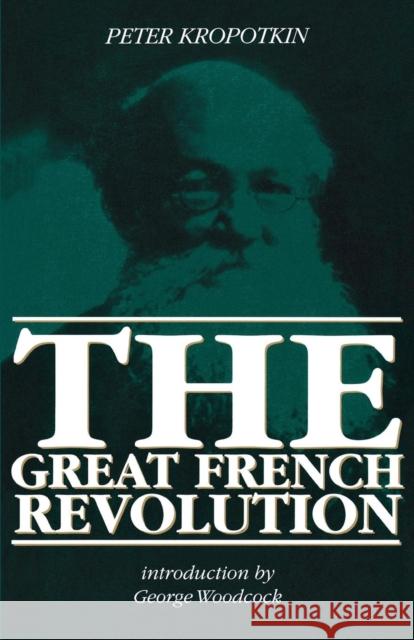
With an Introduction by George Woodcock. With the international celebrations of the French Revolution as background, the publication of Peter Kropotkin's classic with an introduction by George Woodcock represents the fulfilment of an important documentary need. The turbulent upheaval that swept in the first mighty revolution in the West, and which had such far ranging consequences, has subsequently been described by a thousand differing pens. From the King's summoning of the Estates General in 1789 to the establishment of the Directory in 1793, the revolution has had many interpretations. But...
With an Introduction by George Woodcock. With the international celebrations of the French Revolution as background, the publication of Peter Kropotki...
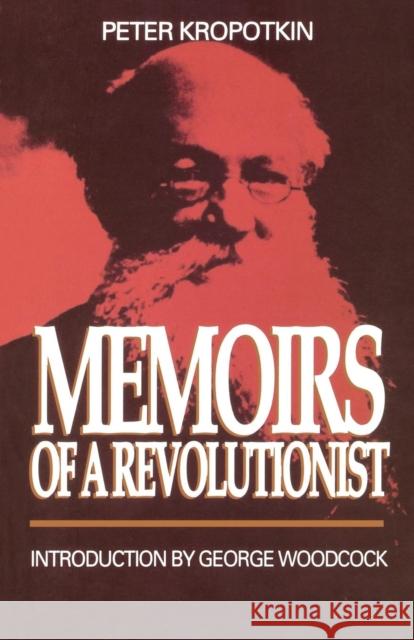
This precious work, which first appeared in the Atlantic Monthly, was published in book form in 1899. Having delighted readers as varied as Leo Tolstoy and Lewis Mumford, Memoirs continues to be a classic in this literary genre.
Peter Alexeivich Kropotkin (1842-1921) was born into the highest rank of the Russian aristocracy. This fascinating account of his dramatic conversion from prince to anarchist is more than an autobiography; it is an extraordinary portrait of the old Russia, both before and after the liberation of the serfs.
Kropotkin was a remarkable writer in...
This precious work, which first appeared in the Atlantic Monthly, was published in book form in 1899. Having delighted readers as varied as Leo Tol...
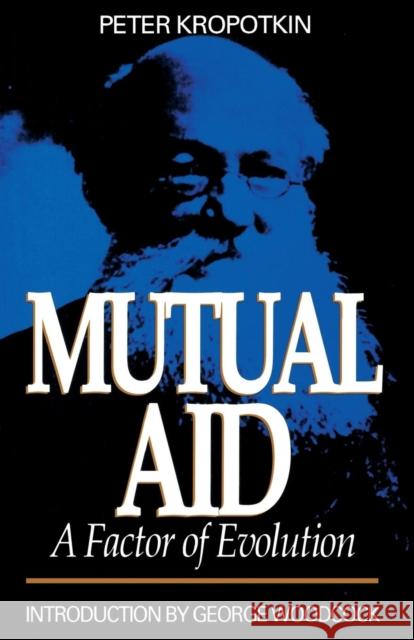
In Mutual Aid, which was first published in 1903, the renowned geographer applies his explorations of Eastern Asia and his study of wild-animal behaviour to a critical examination of the theory of evolution. His arguments anticipate in a remarkable way the contention of contemporary ecologists that the world of nature is one of interdependence rather than strife.
Born in 1942 into an ancient military family of Russian princes, Peter Alexeivich Kropotkin was selected as a child for the elite Corps of Pages by...
Introduction by George Woodcock
In Mutual Aid, which was first published in 1903, the renowned geographer applies ...
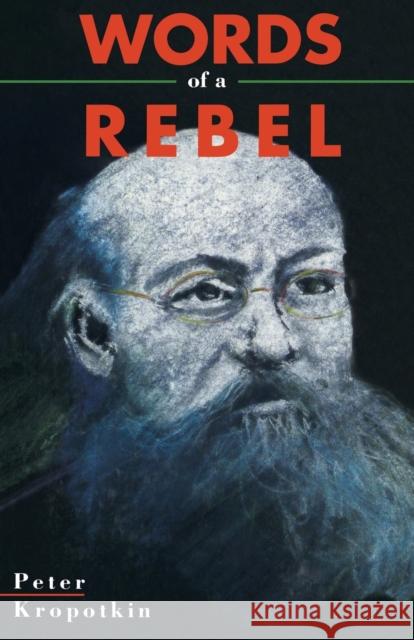
First published during Kropotkin's imprisonment, this collection contains articles written between 1879 and 1882. The first complete English version.
First published during Kropotkin's imprisonment, this collection contains articles written between 1879 and 1882. The first complete English version.
...
"Well-being for all is not a dream." In this brilliantly enjoyable rallying-cry of a book, Kropotkin lays out the heart of his anarchist beliefs--beliefs that surged around the world in the late 19th and early 20th centuries and that have a renewed relevance and poignancy today. Humane and thoughtful, but also a devastating critique of how modern society is organized (with the brutal, narrow few clinging onto their wealth and privileges at the expense of the many), The Conquest of Bread is a book to be argued over, again and again. For more than sixty-five years, Penguin...
"Well-being for all is not a dream." In this brilliantly enjoyable rallying-cry of a book, Kropotkin lays out the heart of his anarchist be...
In this work, Kropotkin points out what he considers to be the defects of the economic systems of feudalism and capitalism, and how he believes they thrive on and maintain poverty and scarcity, as symbol for richness and in spite of being in a time of abundance thanks to technology, while promoting privilege. He goes on to propose a more decentralised economic system based on mutual aid and voluntary cooperation, asserting that the tendencies for this kind of organisation already exist, both in evolution and in human society. He also talks about details of revolution and expropriation in...
In this work, Kropotkin points out what he considers to be the defects of the economic systems of feudalism and capitalism, and how he believes the...