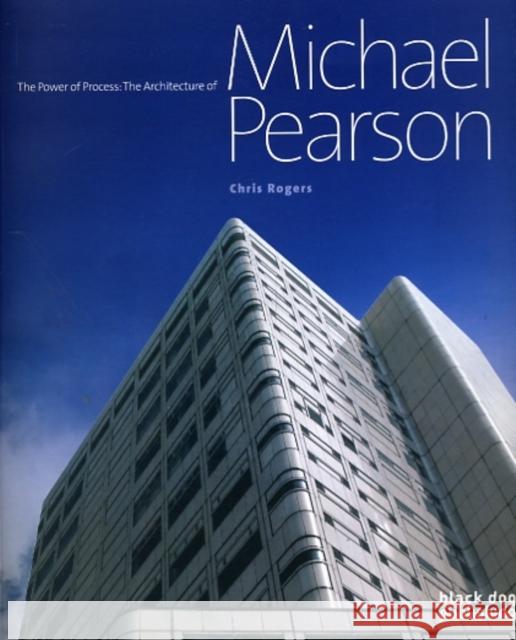
The Power of Process explores Michael Pearson's fascinating career, from his work in British architecture in the 1960s and 70s through to his innovative projects of the 90s to the present. Michael Pearson is past President of the Architectural Association, London's prestigious architecture school. The Power of Process sets out the importance of Michael Pearson and his work, from his initial work within the family firm, his teaching and presidency of the Architectural Association, to small-scale artists' studios and large-scale hospital planning, to the first thorough appreciation of Burne...
The Power of Process explores Michael Pearson's fascinating career, from his work in British architecture in the 1960s and 70s through to his innovati...
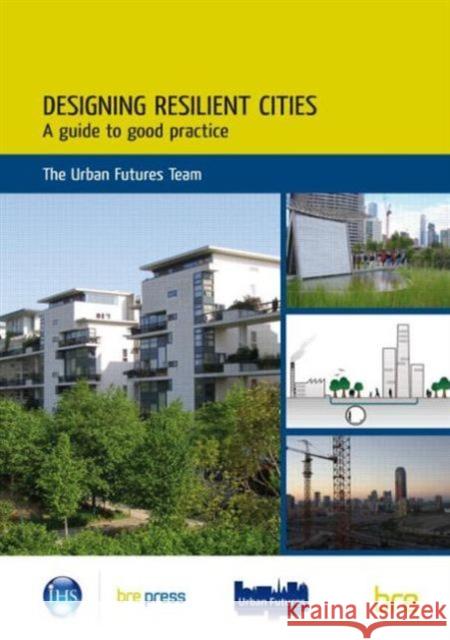
This guide presents the Urban Futures Method to test the likely future performance of urban development and regeneration-related 'sustainability solutions' - actions taken today in the name of sustainability - in a series of possible future scenarios in the year 2050. If a proposed solution delivers a positive legacy, regardless of the future against which it is tested, then it can be adopted with confidence. The Method provides insights into the potential impacts of today's urban planning and design decisions, and challenges the conventional mainstream approach to sustainability by...
This guide presents the Urban Futures Method to test the likely future performance of urban development and regeneration-related 'sustainability so...
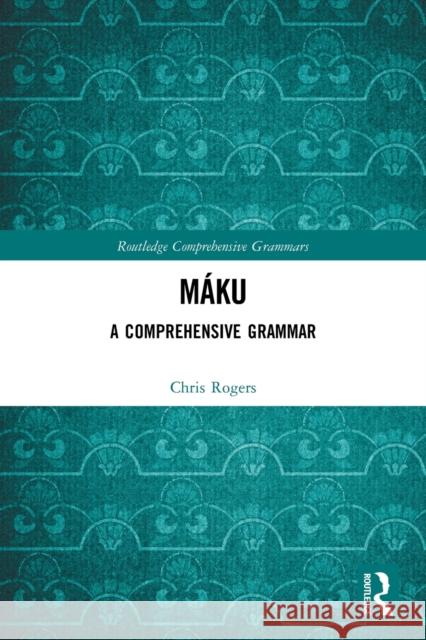
Gabriela Pérez Báez, Chris Rogers, Jorge Emilio Rosés Labrada
Up to now, the focus in the field of language documentation has been predominantly on North American and Australian languages. However, the greatest genetic diversity in languages is found in Latin America, home to over 100 distinct language families. This book gives the Latin American context the attention it requires by consolidating the work of field researchers experienced in the region into one volume for the first time.
Up to now, the focus in the field of language documentation has been predominantly on North American and Australian languages. However, the greates...
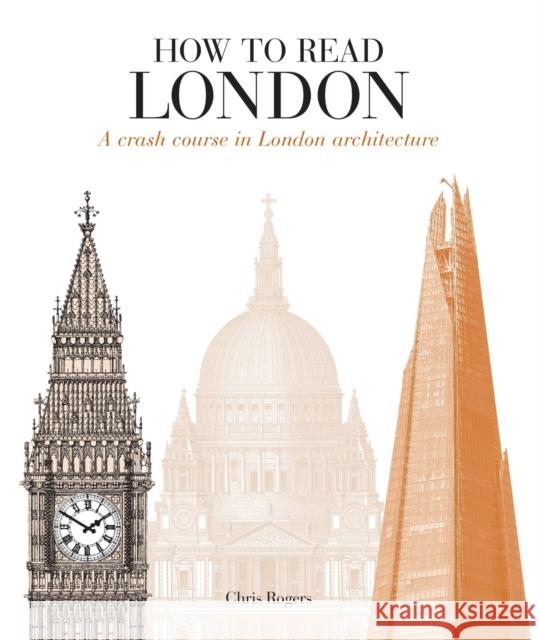
Over 2,000 years of settlement give London its unique architectural heritage. Unlike Haussmann's Paris, neither monarch nor politician imposed their will; private ownership and enterprise shaped the city and defined its parts. Elegant West End squares and crescents hallmark the Classical townscape that emerged between 1600 and 1830, but medieval, Tudor and Victorian enclaves identified by occupation, class or guild make their own design statement, notably in the City and East End. From its renewal after the Great Fire of 1666 as a centre of commerce, culture, finance and as a railway hub, the...
Over 2,000 years of settlement give London its unique architectural heritage. Unlike Haussmann's Paris, neither monarch nor politician imposed their w...