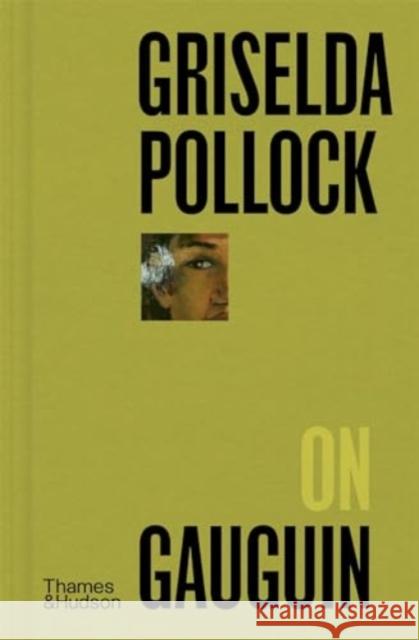
Is the canon of art history a sacred collection of the best paintings by the greatest masters, or a construct turning its contents into products of mastery, and defining culture and creativity as essentially European and masculine? The question of the traditional, patriarchal canon, of whether it should be rejected, replaced or reformed, is a debate at the centre of feminist art history. In this book, the author examines the canon's appeal, and explores both the fantasies and desires served by traditional heroic narratives in art history, and those which drive feminist criticism to oppose...
Is the canon of art history a sacred collection of the best paintings by the greatest masters, or a construct turning its contents into products of ma...
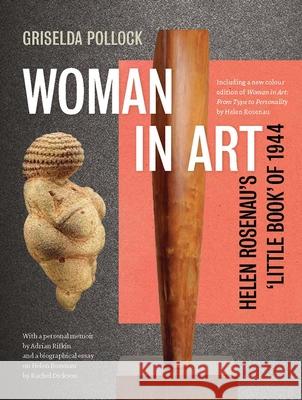
Griselda Pollock provides concrete historical analyses of key moments in the formation of modern culture to reveal the sexual politics at the heart of modernist art. Crucially, she not only explores a feminist re-reading of the works of canonical male Impressionist and Pre-Raphaelite artists including Edgar Degas and Dante Gabriel Rossetti, but also re-inserts into art history their female contemporaries - women artists such as Berthe Morisot and Mary Cassatt.
Pollock discusses the work of women artists such as Mary Kelly and Yve Lomax, highlighting the problems of working in a...
Griselda Pollock provides concrete historical analyses of key moments in the formation of modern culture to reveal the sexual politics at the heart...
Do artists travel away from or towards trauma? Is trauma encrypted or inscribed in art? Or can aesthetic practices (after-images) bring about transformation of trauma, personal trauma or historical traumas? Can they do this in a way that does not imply cure or resolution of the traces (after-affects) of trauma? How do artists themselves process these traces as participants in and sensors for our life-worlds and histories, and how does the viewer, coming belatedly or from elsewhere, encounter works bearing such traces or seeking forms through which to touch and transform them? These are...
Do artists travel away from or towards trauma? Is trauma encrypted or inscribed in art? Or can aesthetic practices (after-images) bring about transfor...
Griselda Pollock provides concrete historical analyses of key moments in the formation of modern culture to reveal the sexual politics at the heart of modernist art. Crucially, she not only explores a feminist re-reading of the works of canonical male Impressionist and Pre-Raphaelite artists including Edgar Degas and Dante Gabriel Rossetti, but also re-inserts into art history their female contemporaries - women artists such as Berthe Morisot and Mary Cassatt.
Pollock discusses the work of women artists such as Mary Kelly and Yve Lomax, highlighting the problems of working in a...
Griselda Pollock provides concrete historical analyses of key moments in the formation of modern culture to reveal the sexual politics at the heart...
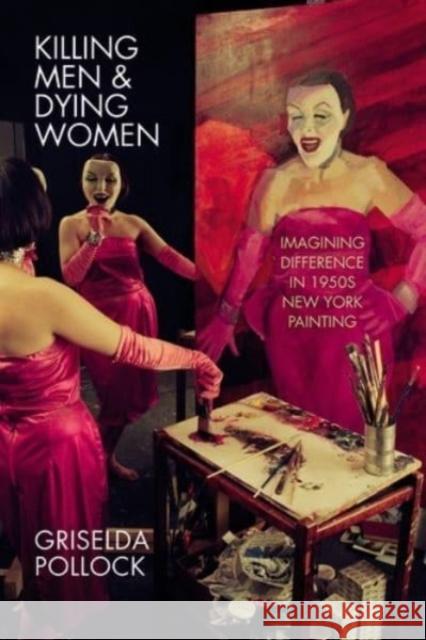
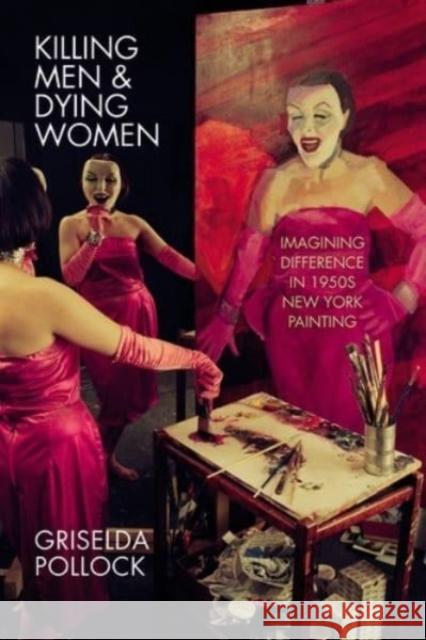
What did it mean for painter Lee Krasner to be an artist and a woman if, in the culture of 1950s New York, to be an artist was to be Jackson Pollock and to be a woman was to be Marilyn Monroe? With this question, Griselda Pollock begins a transdisciplinary journey across the gendered aesthetics and the politics of difference in New York abstract, gestural painting. Revisiting recent exhibitions of abstract expressionism that either marginalised the artist-women in the movement or focused solely on the excluded women, as well as exhibitions of women in abstraction, Pollock reveals how...
What did it mean for painter Lee Krasner to be an artist and a woman if, in the culture of 1950s New York, to be an artist was to be Jackson Pollock a...
What did it mean for painter Lee Krasner to be an artist and a woman if, in the culture of 1950s New York, to be an artist was to be Jackson Pollock and to be a woman was to be Marilyn Monroe? With this question, Griselda Pollock begins a transdisciplinary journey across the gendered aesthetics and the politics of difference in New York abstract, gestural painting. Revisiting recent exhibitions of abstract expressionism that either marginalised the artist-women in the movement or focused solely on the excluded women, as well as exhibitions of women in abstraction, Pollock reveals how...
What did it mean for painter Lee Krasner to be an artist and a woman if, in the culture of 1950s New York, to be an artist was to be Jackson Pollock a...