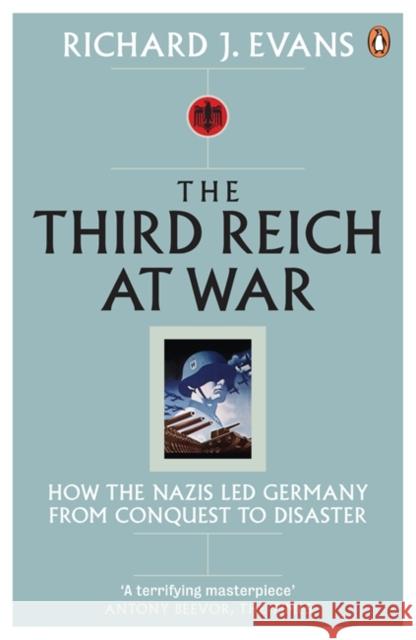
Richard J. Evans's masterly history of Nazi Germany traces the rise & fall of German military might, against the background of the mobilization of the 'people's community' in the service of a war of conquest, racial subjugation & genocide.
Richard J. Evans's masterly history of Nazi Germany traces the rise & fall of German military might, against the background of the mobilization of the...
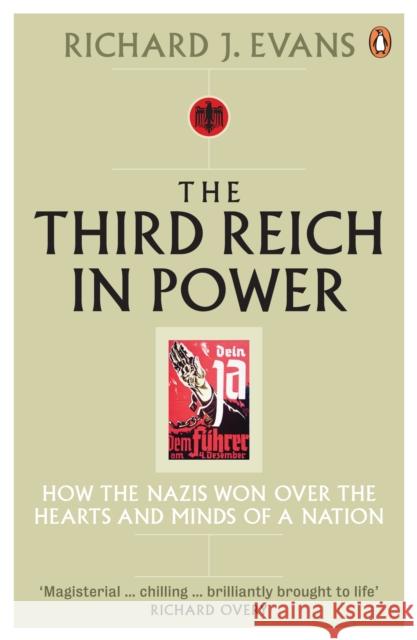
This title tells perhaps the single most important story of the 20th century: how a stable and modern country in less than a single lifetime led Europe into moral, physical and cultural ruin and despair. Evans recreates a Germany torn apart by overwhelming economic, political and social blows.
This title tells perhaps the single most important story of the 20th century: how a stable and modern country in less than a single lifetime led Europ...
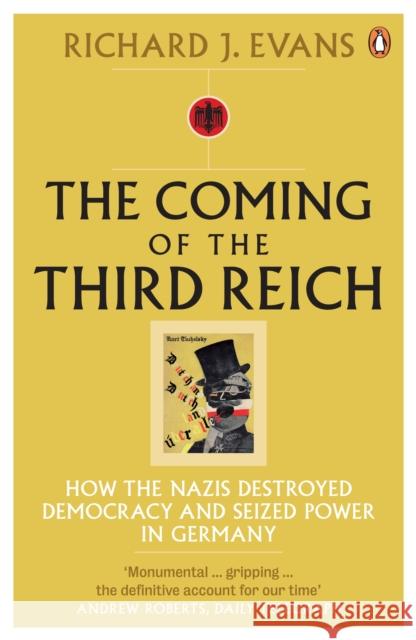
Before Hitler seized power in 1933, Germany had been famous for its sophistication and complexity. So how was it possible for a group of ideological obsessives to re-mould it into a one-party state directed at war and race hate? This title explores how Hitler turned Germany from a vibrant democracy into a one-party state.
Before Hitler seized power in 1933, Germany had been famous for its sophistication and complexity. So how was it possible for a group of ideological o...
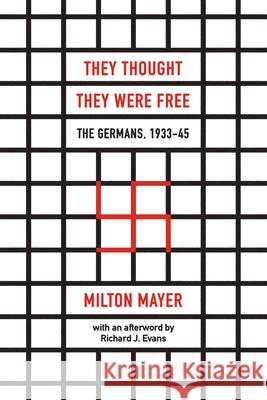
"When this book was first published it received some attention from the critics but none at all from the public. Nazism was finished in the bunker in Berlin and its death warrant signed on the bench at Nuremberg." That's Milton Mayer, writing in a foreword to the 1966 edition of They Thought They Were Free. He's right about the critics: the book was a finalist for the National Book Award in 1956. General readers may have been slower to take notice, but over time they did--what we've seen over decades is that any time people, across the political spectrum, start to feel that...
"When this book was first published it received some attention from the critics but none at all from the public. Nazism was finished in the bunker in ...
Kniha Na obranu dějin představuje v Evansově díle zdánlivou výjimku. Ve skutečnosti však odráží jeho hlubokou znalost moderního dějepisectví a soudobých teoretických přístupů. Jedinečným způsobem se v ní zrcadlí po desetiletí vedená debata o smyslu historie, o dějepisectví jako tvrdé či měkké vědě, o historii jako beletrii, o dějepisectví jako disciplíně pohybující se mezi jasnými fakty a čirou fikcí. Evans zde nastoluje otázky morálních aspektů hodnocení dějin, moci vědění a manipulace společnosti prostřednictvím historických výkladů,...
Kniha Na obranu dějin představuje v Evansově díle zdánlivou výjimku. Ve skutečnosti však odráží jeho hlubokou znalost moderního dějepisec...