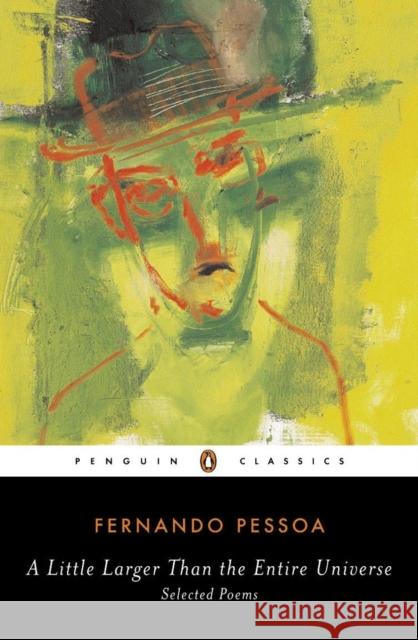
The poetry of ?the greatest twentieth century writer you have never heard of ? ("Los Angeles Times") Writing obsessively in French, English, and Portuguese, Fernando Pessoa left a prodigious body of work, much of it under ?heteronyms fully fleshed alter egos with startlingly different styles and points of view. Offering a unique sampling of all his most famous voices, this collection features poems that have never before been translated alongside many originally composed in English. In addition to such major works as ?Maritime Ode of Campos? and his Goethe-inspired "Faust," written in...
The poetry of ?the greatest twentieth century writer you have never heard of ? ("Los Angeles Times") Writing obsessively in French, English, and ...
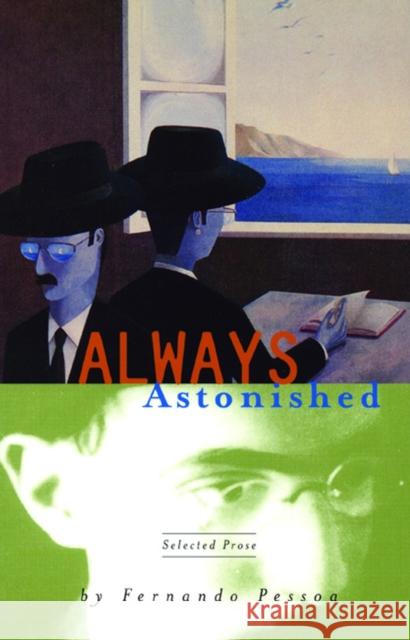
-After looking for him in the poems, we search for him in the prose. The pursuit of the Other in Pessoa's work is never-ending, - writes Edwin Honig. Essential to understanding the great Portuguese poet are the essays written about (and by) his heteronyms--Alberto Caeiro, Ricardo Reis, and Alvaro de Campos--the several pseudonyms under which he wrote an extraordinary body of poetry. In Always Astonished, Pessoa and his several selves debate and discuss one another's work, revealing how Portuguese modernism was shaped. Fernando Pessoa is one of the great voices of twentieth-century...
-After looking for him in the poems, we search for him in the prose. The pursuit of the Other in Pessoa's work is never-ending, - writes Edwin Honi...
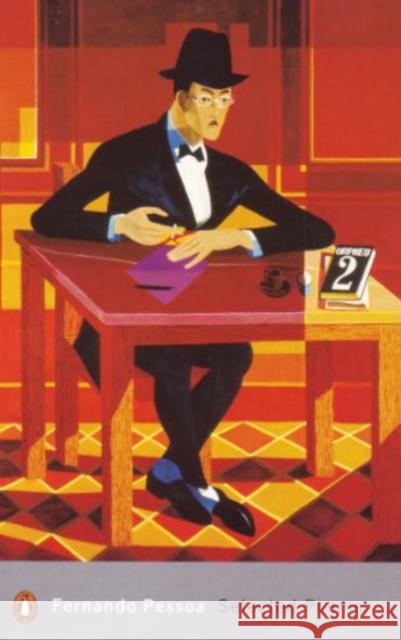
The writing of Fernando Pessoa reveals a mind shaken by intense inner suffering. In these poems he adopted four separate personae: Alberto Caeiro, Alvaro de Campos, Ricardo Reis and himself, using them to express 'great swarms of thought and feeling'. While each personae has its own poetic identity, together they convey a sense of ambivalence and consolidate a striving for completeness. Dramatic, lyrical, Christian, pagan, old and modern, Pessoa's poets and poetry contribute to the 'mysterious importance of existence'.
The writing of Fernando Pessoa reveals a mind shaken by intense inner suffering. In these poems he adopted four separate personae: Alberto Caeiro, Alv...
"Readers with a particular interest in modernism will find this work indispensable."Publishers Weekly
"Pessoa's amazing personality is as beguiling and mysterious as his unique poetic output."William Boyd
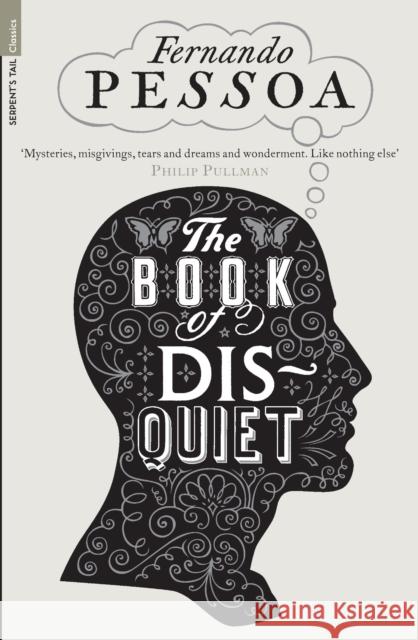
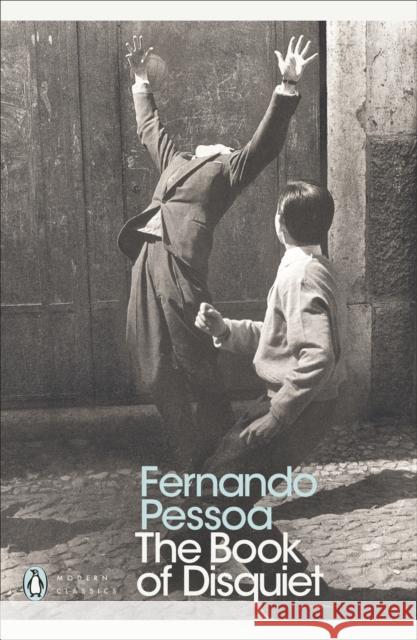
A self-deprecating reflection on the sheer distance between the loftiness of feelings and the humdrumreality of life, The Book of Disquiet is a classic of existentialist literature.
Fernando Pessoa, one of the founders of modernism, was born in Lisbon in 1888. Most of Pessoa's writing was not published during his lifetime: The Book of Disquiet...
"Readers with a particular interest in modernism will find this work indispensable."Publishers Weekly
With its astounding hardcover reviews Richard Zenith's new complete translation of THE BOOK OF DISQUIET has now taken on a similar iconic status to ULYSSES, THE TRIAL or IN SEARCH OF LOST TIME as one of the greatest but also strangest modernist texts. An assembly of sometimes linked fragments, it is a mesmerising, haunting 'novel' without parallel in any other culture.
With its astounding hardcover reviews Richard Zenith's new complete translation of THE BOOK OF DISQUIET has now taken on a similar iconic status to UL...
Message is one of the greatest poems in the whole of Portuguese literature. It was also Fernando Pessoaâs only book written in Portuguese to be published during his lifetime. At the time of its release, in October of 1934 (just over a year before the authorâs death), Europe of the Enlightenment and freedom was succumbing to the advance of modern dictatorships, the escalation of expansionary nationalisms and a brand of imperialism based on atheistic materialism which, half a decade later, would trigger the Second World War. It is out of this atmosphere of general European decline, and...
Message is one of the greatest poems in the whole of Portuguese literature. It was also Fernando Pessoaâs only book written in Portuguese to be pu...