Alexander Sergunin, Valery Konyshev, Andreas Umland
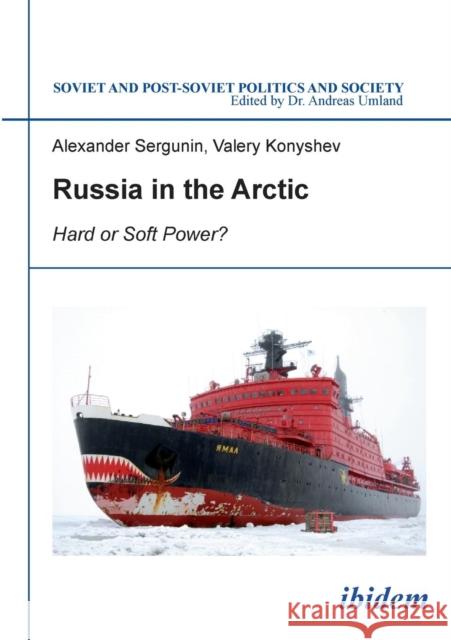
In this timely book, the authors provide a detailed analysis of Russia's national interests in the Arctic region. They assess Russia's domestic discourse on the High North's role in the system of national priorities as well as of Moscow's bi- and multilateral relations with major regional players, energy, environmental, socio-cultural, and military policies in the Arctic. In contrast to the internationally wide-spread stereotype of Russia as a revisionist power in the High North, this book argues that Moscow tries to pursue a double-sided strategy in the region. On the one hand, Russia aims...
In this timely book, the authors provide a detailed analysis of Russia's national interests in the Arctic region. They assess Russia's domestic discou...
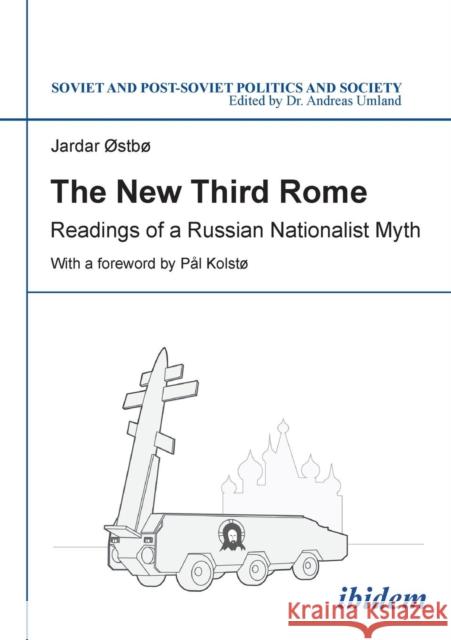
This in-depth analysis discloses the sources, contents, and implications of post-Soviet Russian messianism. Since its rediscovery 150 years ago, writers ranging from Western critics of Moscow's foreign policy to ardent Russian imperialists have used the concept of Moscow as the Third Rome as aevidence' of Russia's particularism and expansionism. But for the original author of the formula of the Third Rome, the Orthodox monk Filofei of Pskov, it was a religious concept he referred to when criticizing what he saw as the apostasy of his time. This book is the first to look beyond this dichotomy....
This in-depth analysis discloses the sources, contents, and implications of post-Soviet Russian messianism. Since its rediscovery 150 years ago, write...
This monograph discloses the estate-based social structure of contemporary Russia by way of outlining the principles of the USSR's peculiar estate system, and explaining the new social estates of post-Soviet Russia. Simon Kordonsky distinguishes and describes in particular the currently existing Russian service and support estates. He introduces the notions of a resource-based state and resource-based economy as the political and economic foundations for Russian society's estate structure. His study demonstrates, moreover, how the method of inventing and institutionalizing threats plays a...
This monograph discloses the estate-based social structure of contemporary Russia by way of outlining the principles of the USSR's peculiar estate sys...
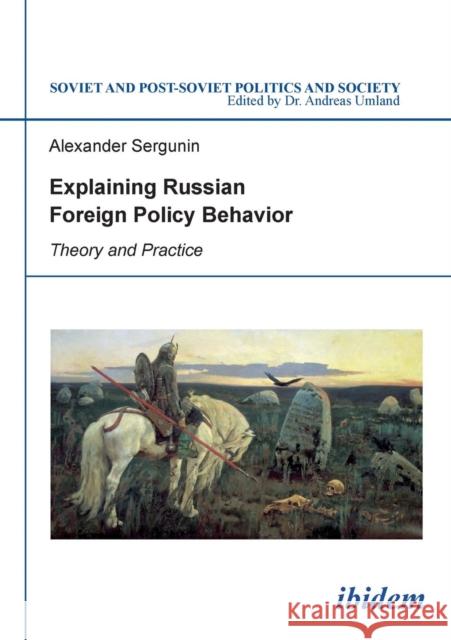
This book aims to explain the reasons behind Russia's international conduct in the post-Soviet era, examining Russian foreign policy discourse with a particular focus on the major foreign policy schools of Atlanticism, Eurasianism, derzhavniki, realpolitik, geopolitics, neo-Marxism, radical nationalism, and post-positivism. The Russian post-Soviet threat perceptions and national security doctrines are studied. The author critically assesses the evolution of Russian foreign policy decision-making over the last 25 years and analyzes the roles of various governmental agencies, interest groups...
This book aims to explain the reasons behind Russia's international conduct in the post-Soviet era, examining Russian foreign policy discourse with a ...