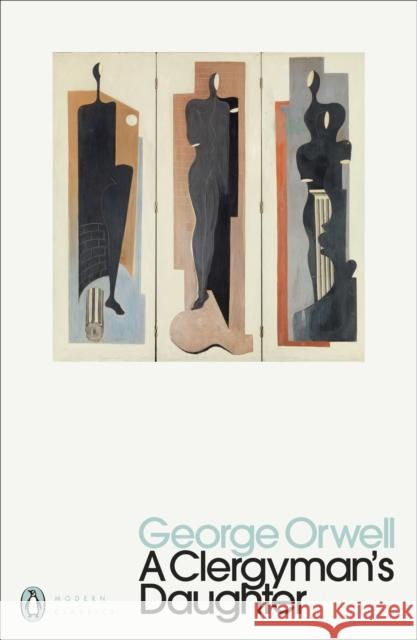
Intimidated by her father, the rector of Knype Hill, Dorothy performs her submissive roles of dutiful daughter and bullied housekeeper. Her thoughts are taken up with the costumes she is making for the church school play, by the hopelessness of preaching to the poor and by debts she cannot pay in 1930s Depression England. Suddenly her routine shatters and Dorothy finds herself down and out in London. She is wearing silk stockings, has money in her pocket and cannot remember her name. Orwell leads us through a landscape of unemployment, poverty and hunger, where Dorothy's faith is challenged...
Intimidated by her father, the rector of Knype Hill, Dorothy performs her submissive roles of dutiful daughter and bullied housekeeper. Her thoughts a...
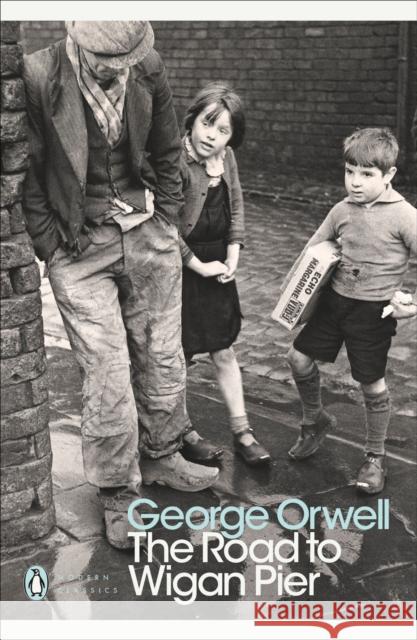
A searing account of George Orwell's observations of working-class life in the bleak industrial heartlands of Yorkshire and Lancashire in the 1930s, The Road to Wigan Pier is a brilliant and bitter polemic that has lost none of its political impact over time. His graphically unforgettable descriptions of social injustice, cramped slum housing, dangerous mining conditions, squalor, hunger and growing unemployment are written with unblinking honesty, fury and great humanity. It crystallized the ideas that would be found in Orwell's later works and novels, and remains a powerful portrait of...
A searing account of George Orwell's observations of working-class life in the bleak industrial heartlands of Yorkshire and Lancashire in the 1930s, T...
Based on his experiences as a policeman in Burma, George Orwell's first novel presents a devastating picture of British colonial rule. It describes corruption and imperial bigotry in a society where, 'after all, natives were natives - interesting, no doubt, but finally ... an inferior people'. When Flory, a white timber merchant, befriends Indian Dr Veraswami, he defies this orthodoxy. The doctor is in danger: U Po Kyin, a corrupt magistrate, is plotting his downfall. The only thing that can save him is membership of the all-white Club, and Flory can help. Flory's life is changed further by...
Based on his experiences as a policeman in Burma, George Orwell's first novel presents a devastating picture of British colonial rule. It describes co...
George Orwell's paean to the end of an idyllic era in British history, Coming Up for Air is a poignant account of one man's attempt to recapture childhood innocence as war looms on the horizon. George Bowling, forty-five, mortgaged, married with children, is an insurance salesman with an expanding waistline, a new set of false teeth - and a desperate desire to escape his dreary life. He fears modern times - since, in 1939, the Second World War is imminent - foreseeing food queues, soldiers, secret police and tyranny. So he decides to escape to the world of his childhood, to the village he...
George Orwell's paean to the end of an idyllic era in British history, Coming Up for Air is a poignant account of one man's attempt to recapture child...
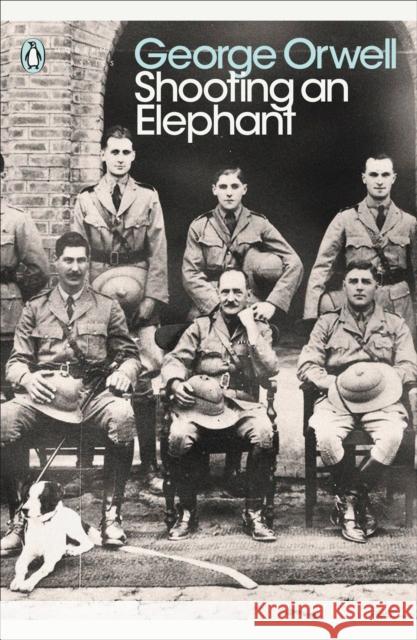
'Shooting an Elephant' is Orwell's searing and painfully honest account of his experience as a police officer in imperial Burma; killing an escaped elephant in front of a crowd 'solely to avoid looking a fool'. The other masterly essays in this collection include classics such as 'My Country Right or Left', 'How the Poor Die' and 'Such, Such were the Joys', his memoir of the horrors of public school, as well as discussions of Shakespeare, sleeping rough, boys' weeklies and a spirited defence of English cooking. Opinionated, uncompromising, provocative and hugely entertaining, all show...
'Shooting an Elephant' is Orwell's searing and painfully honest account of his experience as a police officer in imperial Burma; killing an escaped el...
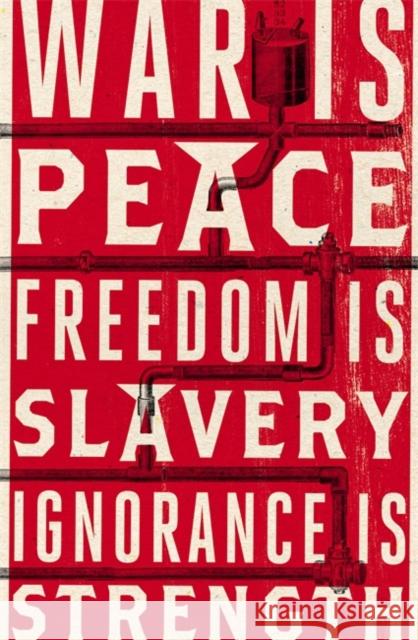
'Who controls the past controls the future: who controls the present controls the past' Hidden away in the Record Department of the sprawling Ministry of Truth, Winston Smith skilfully rewrites the past to suit the needs of the Party. Yet he inwardly rebels against the totalitarian world he lives in, which demands absolute obedience and controls him through the all-seeing telescreens and the watchful eye of Big Brother, symbolic head of the Party. In his longing for truth and liberty, Smith begins a secret love affair with a fellow-worker Julia, but soon discovers the true price of freedom is...
'Who controls the past controls the future: who controls the present controls the past' Hidden away in the Record Department of the sprawling Ministry...
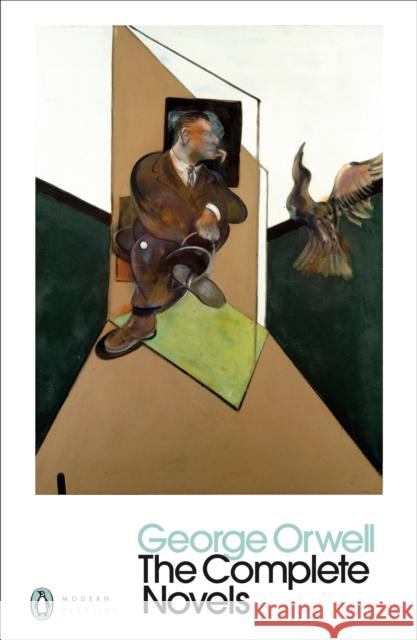
George Orwell's best-known novels, Animal Farm, describing a revolution that goes horribly wrong, and Nineteen Eighty-Four, portraying a world where human freedom has been crushed, are two of the most famous, well-quoted and influential political satires ever written. The other novels in this volume also tell stories of people at odds with repressive institutions: the corrupt imperialism of Burmese Days, disaffection with materialistic society in Keep the Aspidistra Flying, the perils of modern suburban living in Coming Up for Air and surviving on the streets in A Clergyman's Daughter. All...
George Orwell's best-known novels, Animal Farm, describing a revolution that goes horribly wrong, and Nineteen Eighty-Four, portraying a world where h...
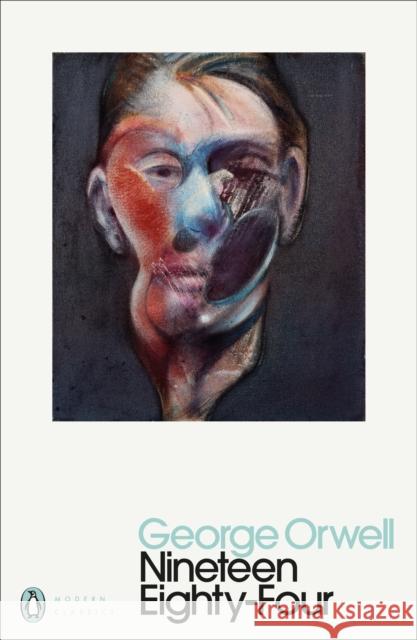
First published in 1949, George Orwell's Nineteen Eighty-Four has lost none of the impact with which it first hit readers. Winston Smith works for the Ministry of Truth in London, chief city of Airstrip One. Big Brother stares out from every poster, the Thought Police uncover every act of betrayal. When Winston finds love with Julia, he discovers that life does not have to be dull and deadening, and awakens to new possibilities. Despite the police helicopters that hover and circle overhead, Winston and Julia begin to question the Party; they are drawn towards conspiracy. Yet Big Brother will...
First published in 1949, George Orwell's Nineteen Eighty-Four has lost none of the impact with which it first hit readers. Winston Smith works for the...
In these timeless and witty essays George Orwell explores the English love of reading about a good murder in the papers (and laments the passing of the heyday of the 'perfect' murder involving class, sex and poisoning), as well as unfolding his trenchant views on everything from boys' weeklies to naughty seaside postcards.
In these timeless and witty essays George Orwell explores the English love of reading about a good murder in the papers (and laments the passing of th...
In this collection of eight witty and sharply written essays, Orwell looks at, among others, the joys of spring (even in London), the picture of humanity painted by Gulliver and his travels, and the strange benefit of the doubt that the public permit Salvador Dali. Also included here are a mouth-watering essay on the delights of English Cooking and a shocking account of killing an elephant in Burma.
In this collection of eight witty and sharply written essays, Orwell looks at, among others, the joys of spring (even in London), the picture of human...