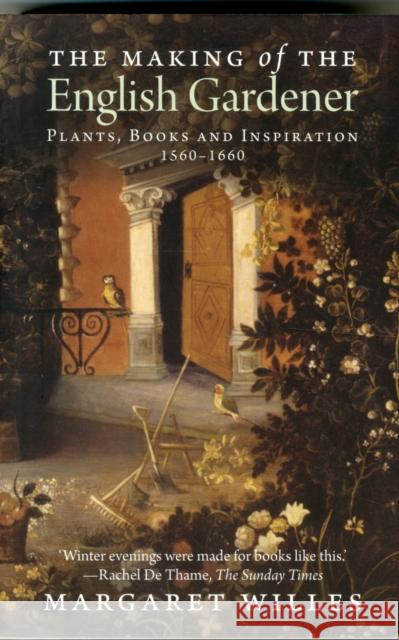
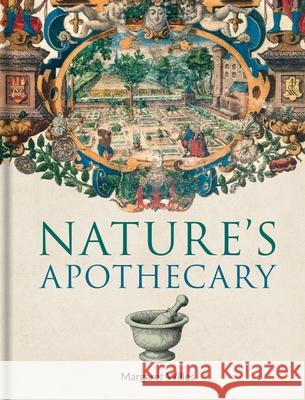
In the century between the accession of Elizabeth I and the restoration of Charles II, a horticultural revolution took place in England, making it a leading player in the European horticultural game. Ideas were exchanged across networks of gardeners, botanists, scholars, and courtiers, and the burgeoning vernacular book trade spread this new knowledge still further--reaching even the growing number of gardeners furnishing their more modest plots across the verdant nation and its young colonies in the Americas.
Margaret Willes introduces a plethora of garden enthusiasts, from the...
In the century between the accession of Elizabeth I and the restoration of Charles II, a horticultural revolution took place in England, making it ...
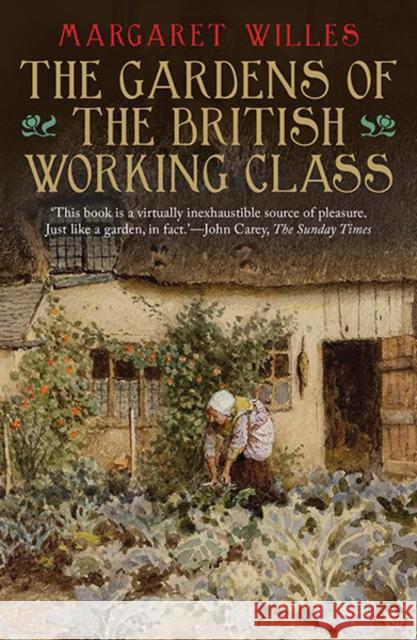
This magnificently illustrated people's history celebrates the extraordinary feats of cultivation by the working class in Britain, even if the land they toiled, planted, and loved was not their own. Spanning more than four centuries, from the earliest records of the laboring classes in the country to today, Margaret Willes's research unearths lush gardens nurtured outside rough workers' cottages and horticultural miracles performed in blackened yards, and reveals the ingenious, sometimes devious, methods employed by determined, obsessive, and eccentric workers to make their drab surroundings...
This magnificently illustrated people's history celebrates the extraordinary feats of cultivation by the working class in Britain, even if the land th...
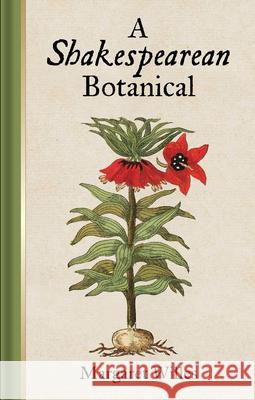
When Falstaff calls upon the sky to rain potatoes in The Merry Wives of Windsor, he highlights the belief that the exotic vegetable, recently introduced to England from the Americas, was an aphrodisiac. In Romeo and Juliet, Lady Capulet calls for quinces to make pies for the marriage feast, knowing that the fragrant fruit was connected with weddings and fertility. Shakespeare's contemporaries would have been familiar with such ripe symbolism in part due to herbals, tomes filled with detailed botanical descriptions consulted to deepen knowledge of the plants of the day....
When Falstaff calls upon the sky to rain potatoes in The Merry Wives of Windsor, he highlights the belief that the exotic vegetable, recently ...
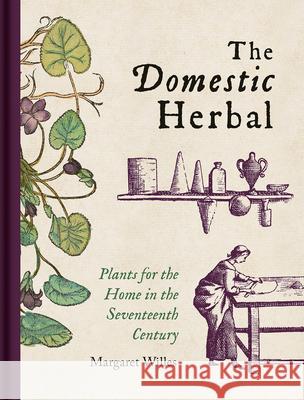
This book shows how various plants were used for cooking and brewing, medicines and cosmetics, in the making and care of clothes, and finally to keep rooms fresh, fragrant and decorated during the seventeenth-century. Richly illustrated, it provides an intriguing and original focus on the domestic history of Stuart England.
This book shows how various plants were used for cooking and brewing, medicines and cosmetics, in the making and care of clothes, and finally to keep ...