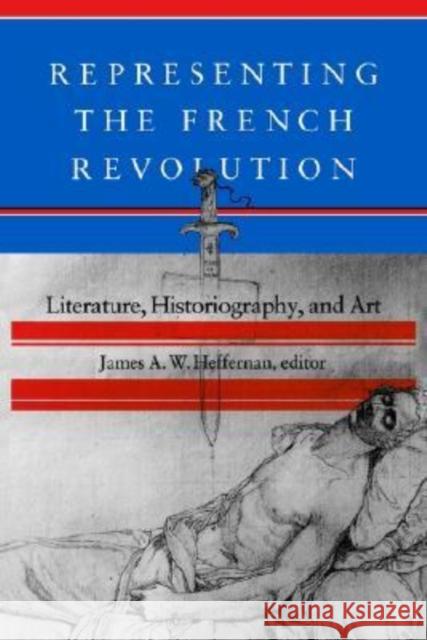
Why is the anniversary of the French Revolution celebrated on July 14, the day the Bastille was stormed, rather than on August 26, the day the Declaration of the Rights of Man was signed? Why don't the French do as the Americans, who see their revolution epitomized by the signing of the Declaration of Independence? "There is surely something to be learned from contemplating the difference between these two ways of representing a revolution," writes James Heffernan. In this volume, he and 13 other distinguished scholars consider representations of the French Revolution in literature,...
Why is the anniversary of the French Revolution celebrated on July 14, the day the Bastille was stormed, rather than on August 26, the day the Declara...
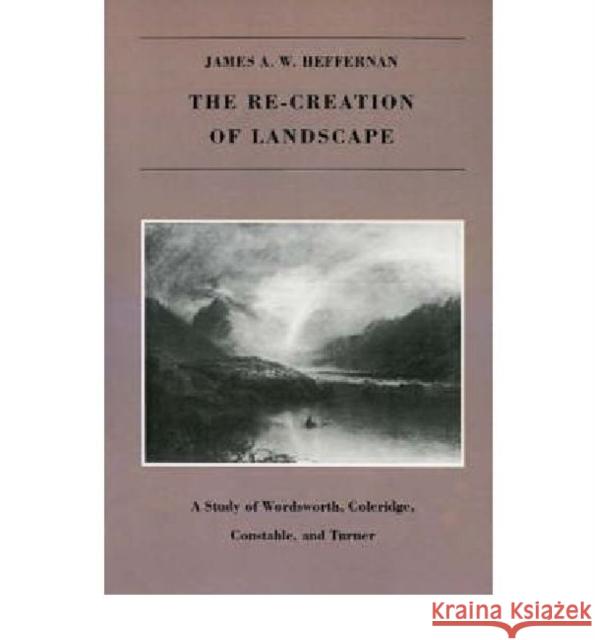
Compares the common concerns and impulses behind the works of four artists and writers, and demonstrates that the verbal and visual sides of romanticism are parts of a coherent whole.
Compares the common concerns and impulses behind the works of four artists and writers, and demonstrates that the verbal and visual sides of romantici...
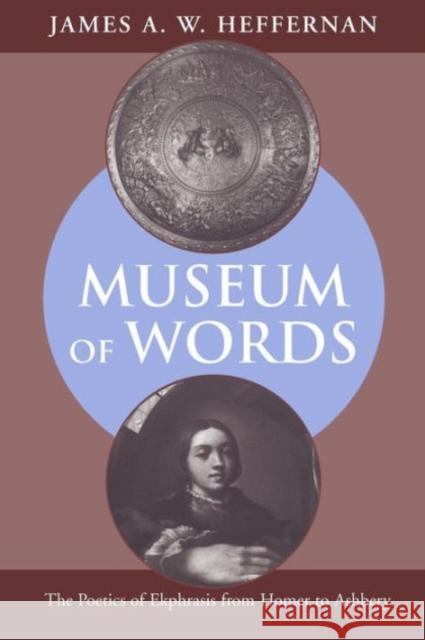
Ekphrasis is the art of describing works of art, the verbal representation of visual representation. Profoundly ambivalent, ekphrastic poetry celebrates the power of the silent image even as it tries to circumscribe that power with the authority of the word. Over the ages its practitioners have created a museum of words about real and imaginary paintings and sculptures. In the first book ever to explore this museum, James Heffernan argues that ekphrasis stages a battle for mastery between the image and the word. Moving from the epics of Homer, Virgil, and Dante to contemporary American...
Ekphrasis is the art of describing works of art, the verbal representation of visual representation. Profoundly ambivalent, ekphrastic poetry celebrat...
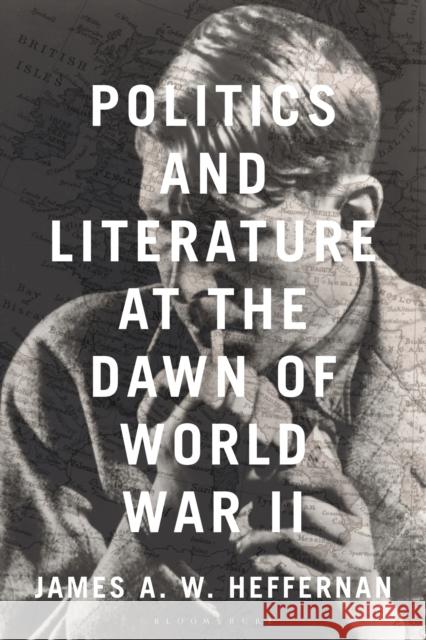
Mining the borderlands where history meets literature in Britain and Europe as well as America, this book shows how the imminence and outbreak of World War II ignited the imaginations of writers ranging from Ernest Hemingway, W.H. Auden, and James Joyce to Bertolt Brecht, Evelyn Waugh, Henry Green, and Irène Némirovsky. Taking its cue from Percy Shelley’s dictum that great writers are to some extent created by the age in which they live, this book shows how much the politics and warfare of the years from 1939 to 1941 drove the literature of this period. Its novels, poems, and plays...
Mining the borderlands where history meets literature in Britain and Europe as well as America, this book shows how the imminence and outbreak of Worl...