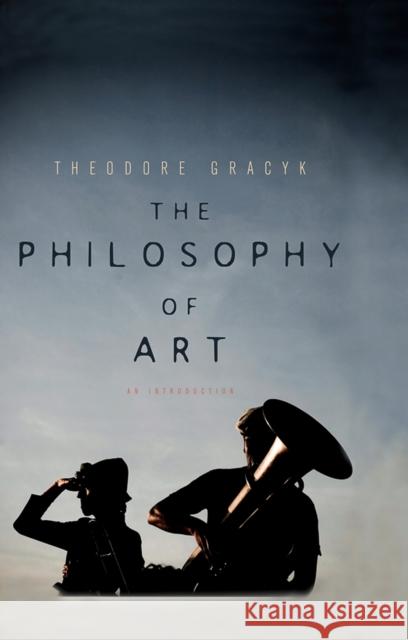
The Philosophy of Art is a highly accessible introduction to current key issues and debates in aesthetics and philosophy of art. Chapters on standard topics are balanced by topics of interest to today's students, including creativity, authenticity, cultural appropriation, and the distinction between popular and fine art. Other topics include emotive expression, pictorial representation, definitional strategies, and artistic value. Presupposing no prior knowledge of philosophy, Theodore Gracyk draws on three decades of teaching experience to provide a balanced and engaging overview,...
The Philosophy of Art is a highly accessible introduction to current key issues and debates in aesthetics and philosophy of art. Chapters on st...
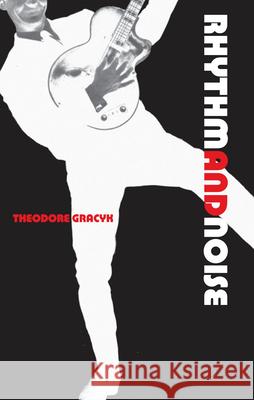
You know it when you hear it, but can you say what it is? How you know? Why you either love or loathe it? What makes it original or derivative? To a music that tends to render its aficionados and detractors equally inarticulate, Theodore Gracyk brings a rare critical clarity. His book tells us once and for all what makes rock music rock. A happy marriage of aesthetic theory and the aesthetic practice that moved a generation, Rhythm and Noise is the only thorough-going account of rock as a distinct artistic medium rather than a species of popular culture. What’s in a name?...
You know it when you hear it, but can you say what it is? How you know? Why you either love or loathe it? What makes it original or derivative? T...