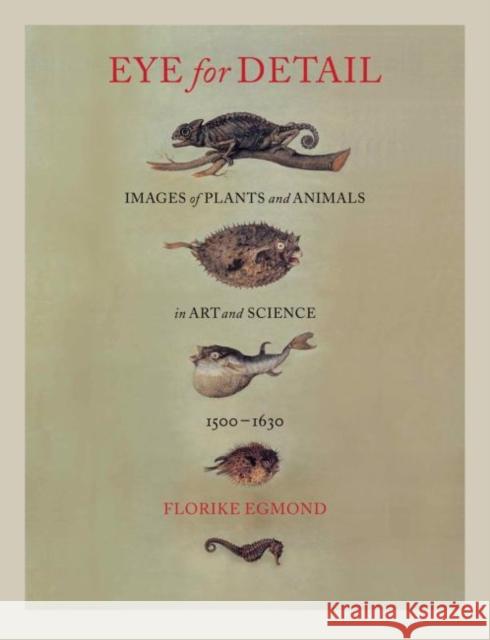
Image-transforming techniques such as close-up, time lapse, and layering are generally associated with the age of photography, but as Florike Egmond shows in this book, they were already being used half a millennium ago. Exploring the world of natural history drawings from the Renaissance, Eye for Detail shows how the function of identification led to image manipulation techniques that will look uncannily familiar to the modern viewer. Egmond shows how the format of images in nature studies changed dramatically during the Renaissance period, as high-definition naturalistic...
Image-transforming techniques such as close-up, time lapse, and layering are generally associated with the age of photography, but as Florike Egmond s...
A strong preoccupation with the human body - often manifested in startling ways - is a characteristic shared by early modern Europeans and their present-day counterparts. Whilst modern manifestations of this interest include body piercing, tattoos, plastic surgery and eating disorders, early modern preoccupations encompassed such diverse phenomena as monstrous births and physical deformity, body snatching, public dissection, flagellation, judicial torture and public punishment. This volume explores such extreme manifestations of early modern bodily obsessions and fascinations, and their...
A strong preoccupation with the human body - often manifested in startling ways - is a characteristic shared by early modern Europeans and their prese...