In the last years of World War II, the Allies dropped a million bombs on Germany. Yet the German people have been silent about the resulting devestation and loss of life, failing to recognise the terrible shadow that destruction from the air cast over their land. Here W.G. Sebald asks why it is we turn our backs on the horrors of war, and in addressing our response to the past, offers insights into how we live now.
In the last years of World War II, the Allies dropped a million bombs on Germany. Yet the German people have been silent about the resulting devestati...
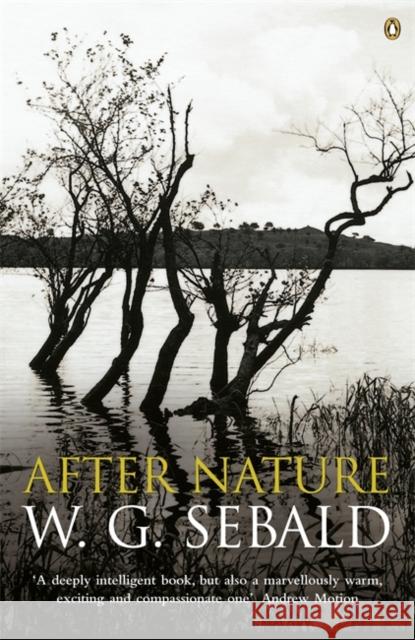
Focusing on the conflict between man and nature, this book, in each of its three distinct parts, gives centre stage to a different character from a different century - the last being W G Sebald himself.
Focusing on the conflict between man and nature, this book, in each of its three distinct parts, gives centre stage to a different character from a di...
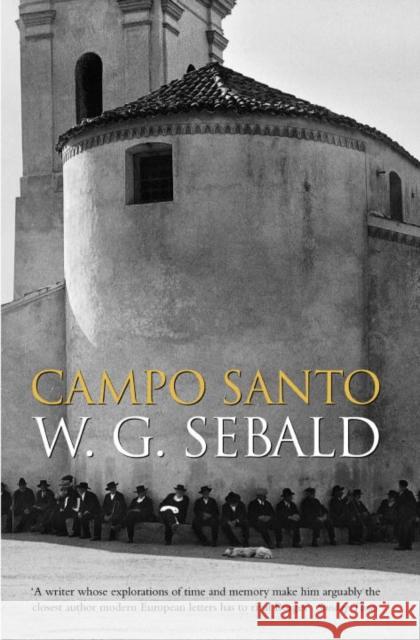
Campo Santo is a collection of essays by W. G. Sebald When W.G. Sebald died tragically in 2001 a unique voice was silenced. Campo Santo is a collection of the pieces he left behind - none of them previously published in book form - which provide a powerful insight into the themes that came to dominate his life. Four pieces pay tribute to Corsica, weaving elegiacally between past and present. Sebald also examines the works of writers such as Kafka, Nabokov, and Gunter Grass, showing both how literature can provide restitution for the injustices of the world and how such literature came to have...
Campo Santo is a collection of essays by W. G. Sebald When W.G. Sebald died tragically in 2001 a unique voice was silenced. Campo Santo is a collectio...
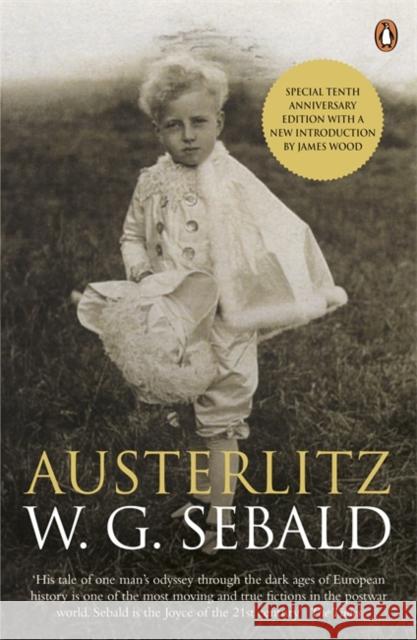
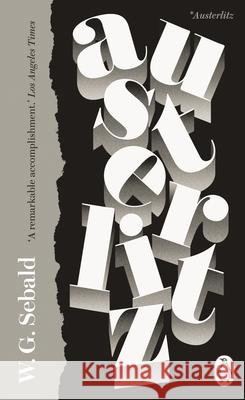
W.G. Sebald traces the moving story of Jacques Austerlitz, sent to Wales on the last Kindertransport from Europe on the eve of World War II. He is adopted by Welsh Calvinists who decide to remove any trace of his true origins."
W.G. Sebald traces the moving story of Jacques Austerlitz, sent to Wales on the last Kindertransport from Europe on the eve of World War II. He is ado...
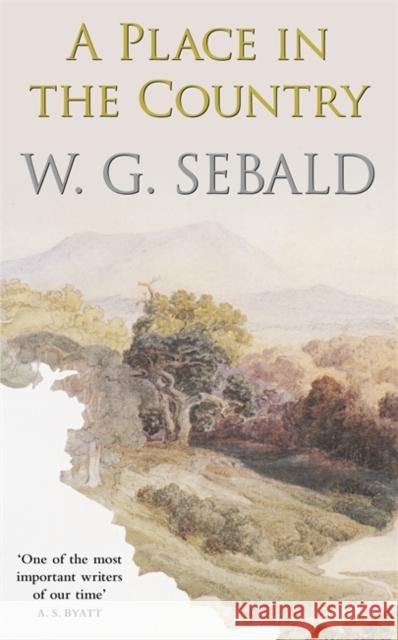
When W.G. Sebald travelled to Manchester in 1966, he packed in his bags certain literary favourites which would remain central to him throughout the rest of his life and during the years when he was settled in England. In 'A Place in the Country', he reflects on six of the figures who shaped him as a person and as a writer, from Jean-Jacques Rousseau to Jan Peter Tripp.
When W.G. Sebald travelled to Manchester in 1966, he packed in his bags certain literary favourites which would remain central to him throughout the r...
The Rings of Saturn with its curious archive of photographs records a walking tour of the eastern coast of England. A few of the things which cross the path and mind of its narrator (who both is and is not Sebald) are lonely eccentrics, Sir Thomas Browne s skull, a matchstick model of the Temple of Jerusalem, recession-hit seaside towns, wooded hills, Joseph Conrad, Rembrandt s "Anatomy Lesson," the natural history of the herring, the massive bombings of WWII, the dowager Empress Tzu Hsi, and the silk industry in Norwich. W.G. Sebald sThe Emigrants(New Directions, 1996) was...
The Rings of Saturn with its curious archive of photographs records a walking tour of the eastern coast of England. A few of the things which...
Ústředními texty posmrtně vydané knihy Campo Santo W. G. Sebalda (1944–2001) jsou čtyři fragmenty z připravované obsáhlé, ale už pak nikdy nevydané prózy o Korsice. Na tyto fragmenty navazují Sebaldovy literární eseje, jež jsou dokladem velkých autorových náklonností, od Kafky až k Nabokovovi. Důležité impulzy ovšem Sebald bral i ze současné literární tvorby a umění, např. od Jeana Améryho, Petera Weisse a Wolfganga Hildesheimera. Opět se vrací ke svým věčným tématům neodčinitelné zkázy a pustošení, jež u něho vzbuzují pocity zármutku a...
Ústředními texty posmrtně vydané knihy Campo Santo W. G. Sebalda (1944–2001) jsou čtyři fragmenty z připravované obsáhlé, ale už pak nik...
V devíti studiích zkoumá W. G. Sebald tematický komplex domova a exilu, který je pro rakouskou literaturu 19. a 20. století tak charakteristický. Protože Sebald sám žil v cizině a pohybuje se zde ve známém terénu, odkrývají se jeho citlivému vnímání souvislosti, jejichž aktualitu dokládají v neposlední řadě neustále nově se vynořující otázka po identitě kdysi tak mocného Rakouska i časem se proměňující asimilační historie Židů. V esejích tohoto svazku hraje základní roli ztráta domova u řady rakouských literátů. Přeložil Radovan Charvát.
V devíti studiích zkoumá W. G. Sebald tematický komplex domova a exilu, který je pro rakouskou literaturu 19. a 20. století tak charakteristickÃ...