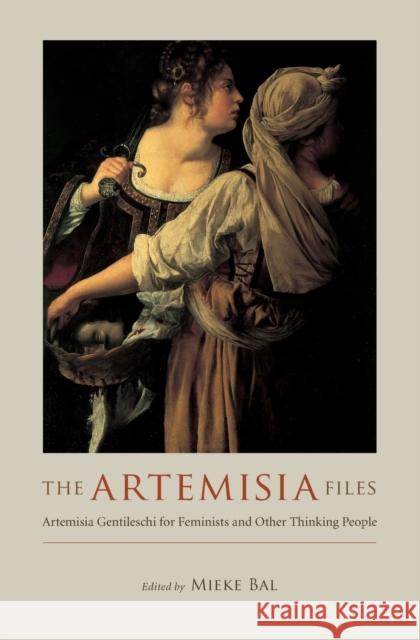
One of the first female artists to achieve recognition in her own time, Artemisia Gentileschi (1593-1653) became instantly popular in the 1970s when feminist art historians "discovered" her and argued vehemently for a place for her in the canon of Italian baroque painters. Featured alongside her father, Orazio Gentileschi, in a recent exhibition at the Metropolitan Museum of Art, Artemisia has continued to stir interest though her position in the canon remains precarious, in part because her sensationalized life history has overshadowed her art. In "The Artemisia Files," Mieke Bal and her...
One of the first female artists to achieve recognition in her own time, Artemisia Gentileschi (1593-1653) became instantly popular in the 1970s when f...
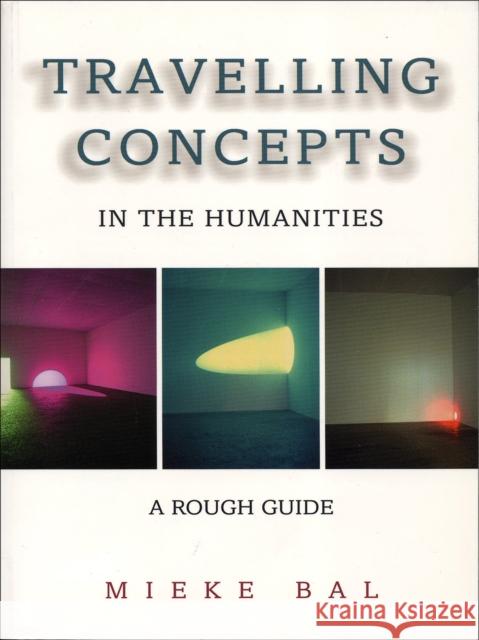
Attempting to bridge the gap between specialised scholarship in the humanistic disciplines and an interdisciplinary project of cultural analysis, Mieke Bal has written an intellectual travel guide that charts the course 'beyond' cultural studies. As with any guide, it can be used in a number of ways and the reader can follow or willfully ignore any of the paths it maps or signposts.
Bal's focus for this book is the idea that interdisciplinarity in the humanities - necessary, exciting, serious - must seek its heuristic and methodological basis in concepts rather than its methods....
Attempting to bridge the gap between specialised scholarship in the humanistic disciplines and an interdisciplinary project of cultural analysis, M...
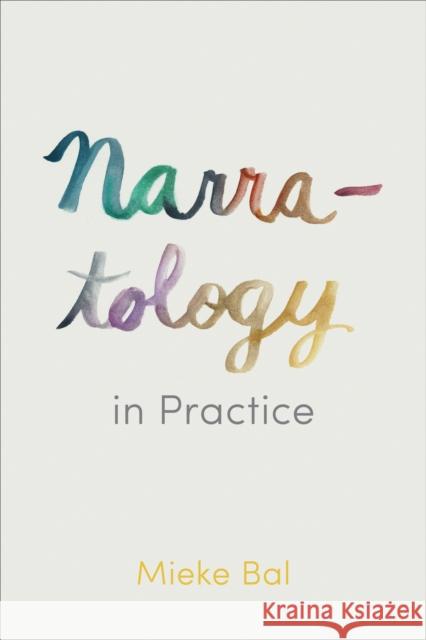
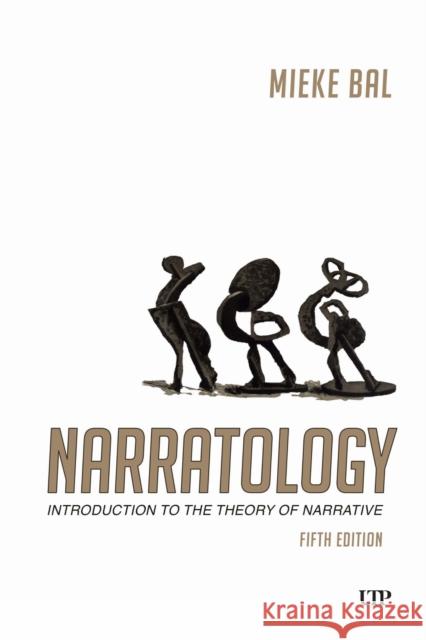
Providing insights into how readers interpret narrative texts, Narratology: Introduction to the Theory on Narrative, Fourth Edition, is a guide for students and scholars seeking to analyze narratives of any language, period, and region with clear, systematic, and reliable concepts.
Providing insights into how readers interpret narrative texts, Narratology: Introduction to the Theory on Narrative, Fourth Edition, is a guide for st...