A Monumental Figure of Western Thought Wrestles with the Question of God
Immanuel Kant (1724-1804) is one of the most influential philosophers in the history of Western philosophy. His contributions have had a profound impact on almost every philosophical movement that followed him.
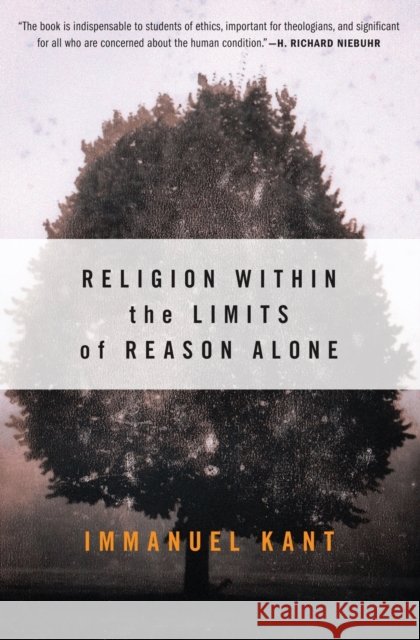
Kant's teachings on religion were unorthodox in that they were based on rationality rather than revelation. Though logically proving God's existence might be impossible, it is morally reasonable to "act as if there be a God." His strictly rational approach was considered so scandalous that...
A Monumental Figure of Western Thought Wrestles with the Question of God
Immanuel Kant (1724-1804) is one of the most influential philosopher...
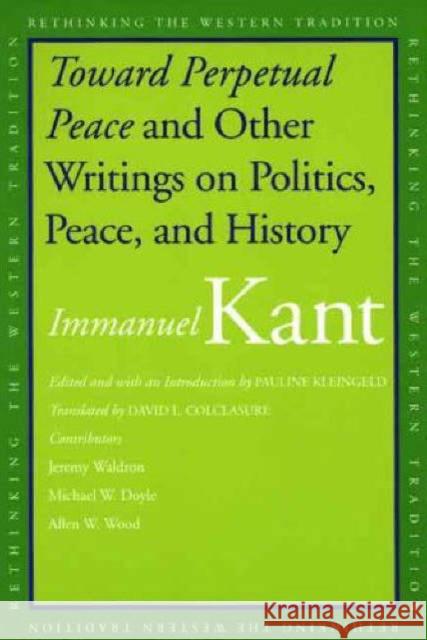
Immanuel Kant's views on politics, peace, and history have lost none of their relevance since their publication more than two centuries ago. This volume contains a comprehensive collection of Kant's writings on international relations theory and political philosophy, superbly translated and accompanied by stimulating essays. Pauline Kleingeld provides a lucid introduction to the main themes of the volume, and three essays by distinguished contributors follow: Jeremy Waldron on Kant's theory of the state; Michael W. Doyle on the implications of Kant's political theory for his theory of...
Immanuel Kant's views on politics, peace, and history have lost none of their relevance since their publication more than two centuries ago. This volu...
Part of the Everyman series which has been re-set with wide margins for notes and easy-to-read type. Each title includes a themed introduction by leading authorities on the subject, life-and-times chronology of the author, text summaries, annotated reading lists and selected criticism and notes.
Part of the Everyman series which has been re-set with wide margins for notes and easy-to-read type. Each title includes a themed introduction by lead...
Immanuel Kant, J. B. Schneewind (The Johns Hopkins University), Peter Heath (University of Virginia)
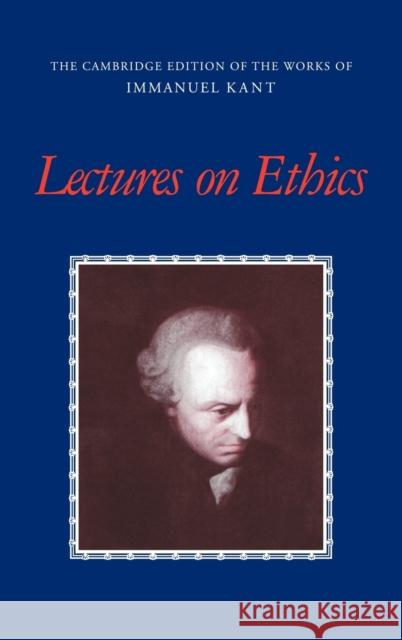
This volume contains four versions of the lecture notes taken by Kant's students of his university courses in ethics given regularly over a period of some thirty years. The notes are very complete and expound not only Kant's views on ethics but many of his opinions on life and human nature. Much of this material has never before been translated into English. As with other volumes in the series, there are copious linguistic and explanatory notes and a glossary of key terms.
This volume contains four versions of the lecture notes taken by Kant's students of his university courses in ethics given regularly over a period of ...
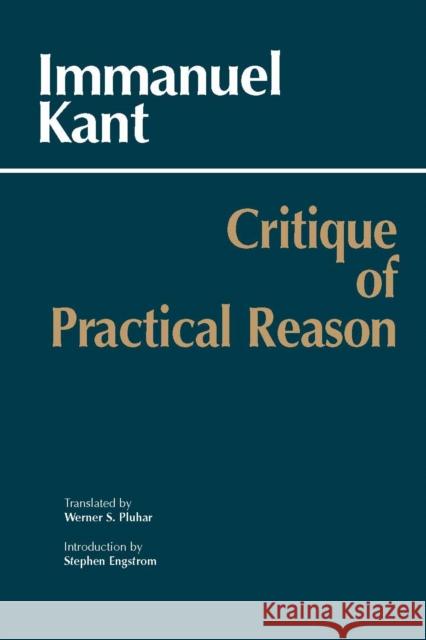
With this volume, Werner Pluhar completes his work on Kant's three Critiques, an accomplishment unique among English language translators of Kant. At once accurate, fluent, and accessible, Pluhar's rendition of the Critique of Practical Reason meets the standards set in his widely respected translations of the Critique of Judgment (1987) and the Critique of Pure Reason (1996).
Stephen Engstrom's Introduction discusses the place of the second Critique in Kant's critical philosophy, its relation to Kant's ethics, and its practical purpose and provides an illuminating...
With this volume, Werner Pluhar completes his work on Kant's three Critiques, an accomplishment unique among English language translators of Kant. ...
In this short essay, Kant completes his political theory and philosophy of history, considering the prospects for peace among nations and addressing questions that remain central to our thoughts about nationalism, war, and peace.
Ted Humphrey provides an eminently readable translation, along with a brief introduction that sketches Kant's argument.
In this short essay, Kant completes his political theory and philosophy of history, considering the prospects for peace among nations and addressin...
The Critique of Practical Reason is the second of Immanuel Kant's three critiques, first published in 1788. It follows on from his Critique of Pure Reason and deals with his moral philosophy. The second Critique exercised a decisive influence over the subsequent development of the field of ethics and moral philosophy, beginning with Fichte's Doctrine of Science and becoming, during the 20th century, the principal reference point for every moral philosophy of a deontological stamp.
The Critique of Practical Reason is the second of Immanuel Kant's three critiques, first published in 1788. It follows on from his Critique of Pure Re...
Immanuel Kant, Curtis Bowman, Frederick Rauscher (Michigan State University), Paul Guyer (Jonathan Nelson Professor of H
This volume provides an extensive translation of the notes and fragments that survived Kant's death in 1804. These include marginalia, lecture notes, and sketches and drafts for his published works. They are important as an indispensable resource for understanding Kant's intellectual development and published works, casting fresh light on Kant's conception of his own philosophical methods and his relations to his predecessors, as well as on central doctrines of his work such as the theory of space, time and categories, the refutations of scepticism and metaphysical dogmatism, the theory of...
This volume provides an extensive translation of the notes and fragments that survived Kant's death in 1804. These include marginalia, lecture notes, ...
The masterpiece of the father of modern philosophy A seminal text of modern philosophy, Immanuel Kant's Critique of Pure Reason (1781) made history by bringing together two opposing schools of thought: rationalism, which grounds all our knowledge in reason, and empiricism, which traces all our knowledge to experience. Published here in a lucid reworking of Max Muller's classic translation, the Critique is a profound investigation into the nature of human reason, establishing its truth, falsities, illusions, and reality. For more than seventy years, Penguin has been the...
The masterpiece of the father of modern philosophy A seminal text of modern philosophy, Immanuel Kant's Critique of Pure Reason (178...