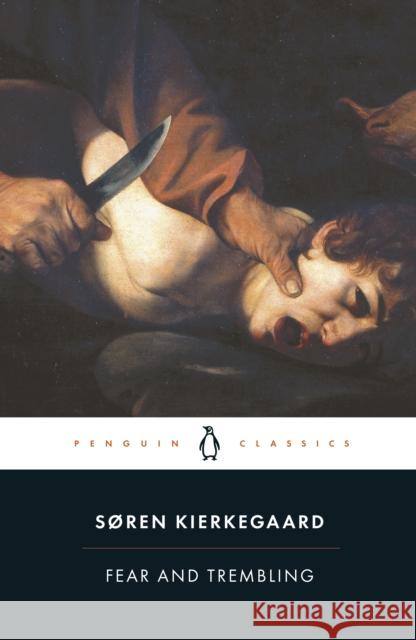
The infamous and controversial work that made a lasting impression on both modern Protestant theology and existentialist philosophers such as Sartre and Camus Writing under the pseudonym of "Johannes de silentio," Kierkegaard expounds his personal view of religion through a discussion of the scene in Genesis in which Abraham prepares to sacrifice his son Isaac at God's command. Believing Abraham's unreserved obedience to be the essential leap of faith needed to make a full commitment to his religion, Kierkegaard himself made great sacrifices in order to dedicate his life entirely...
The infamous and controversial work that made a lasting impression on both modern Protestant theology and existentialist philosophers such as Sartr...
One of the greatest thinkers of the nineteenth century, Soren Kierkegaard often expressed himself through pseudonyms and disguises. Taken from his personal writings, these private reflections reveal the development of his own thought and personality, from his time as a young student to the deep later internal conflict that formed the basis for his masterpiece of duality Either/Or and beyond. Expressing his beliefs with a freedom not seen in works he published during his lifetime, Kierkegaard here rejects for the first time his father's conventional Christianity and forges the...
One of the greatest thinkers of the nineteenth century, Soren Kierkegaard often expressed himself through pseudonyms and disguises. Taken from his per...
Presented here in a new translation, with a historical introduction by the translators, Fear and Trembling and Repetition are the most poetic and personal of Soren Kierkegaard's pseudonymous writings. Published in 1843 and written under the names Johannes de Silentio and Constantine Constantius, respectively, the books demonstrate Kierkegaard's transmutation of the personal into the lyrically religious.
Each work uses as a point of departure Kierkegaard's breaking of his engagement to Regine Olsen--his sacrifice of "that single individual." From this beginning Fear...
Presented here in a new translation, with a historical introduction by the translators, Fear and Trembling and Repetition are the most poeti...
Stages on Life's Way, the sequel to Either/Or, is an intensely poetic example of Kierkegaard's vision of the three stages, or spheres, of existence: the esthetic, the ethical, and the religious. With characteristic love for mystification, he presents the work as a bundle of documents fallen by chance into the hands of "Hilarius Bookbinder," who prepared them for printing. The book begins with a banquet scene patterned on Plato's Symposium. (George Brandes maintained that "one must recognize with amazement that it holds its own in this comparison.") Next is a discourse by...
Stages on Life's Way, the sequel to Either/Or, is an intensely poetic example of Kierkegaard's vision of the three stages, or sp...
One of the most remarkable philosophical works of the nineteenth century, famed for the depth and acuity of its modern psychological insights Writing under the pseudonym Anti-Climacus, Kierkegaard explores the concept of "despair," alerting readers to the diversity of ways in which they may be described as living in this state of bleak abandonment--including some that may seem just the opposite--and offering a much-discussed formula for the eradication of despair. With its penetrating account of the self, this late work by Kierkegaard was hugely influential upon twentieth-century...
One of the most remarkable philosophical works of the nineteenth century, famed for the depth and acuity of its modern psychological insights <...
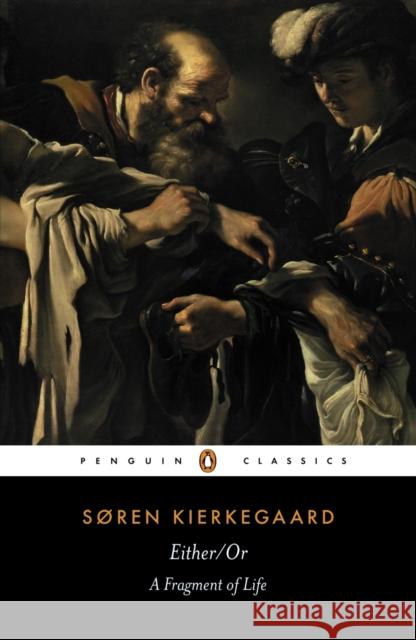
In Either/Or, using the voices of two characters--the aesthetic young man of part one, called simply -A, - and the ethical Judge Vilhelm of the second section--Kierkegaard reflects upon the search for a meaningful existence, contemplating subjects as diverse as Mozart, drama, boredom, and, in the famous Seducer's Diary, the cynical seduction and ultimate rejection of a young, beautiful woman. A masterpiece of duality, Either/Or is a brilliant exploration of the conflict between the aesthetic and the ethical - both meditating ironically and seductively upon Epicurean pleasures,...
In Either/Or, using the voices of two characters--the aesthetic young man of part one, called simply -A, - and the ethical Judge Vilhelm of the...
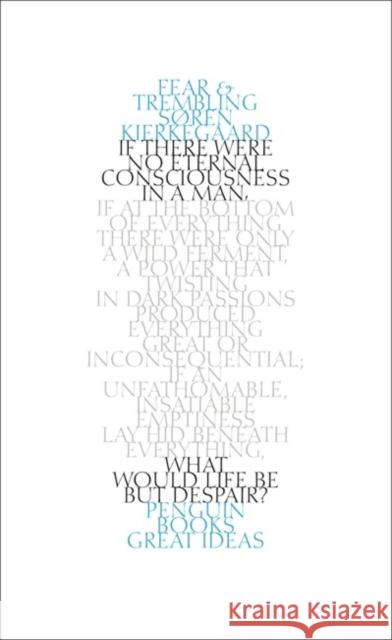
Throughout history, some books have changed the world. They have transformed the way we see ourselves - and each other. They have inspired debate, dissent, war and revolution. They have enlightened, outraged, provoked and comforted. They have enriched lives - and destroyed them. Now Penguin brings you the works of the great thinkers, pioneers, radicals and visionaries whose ideas shook civilization and helped make us who we are. The Father of Existentialism, Kierkegaard transformed philosophy with his conviction that we must all create our own nature; in this great work of religious anxiety,...
Throughout history, some books have changed the world. They have transformed the way we see ourselves - and each other. They have inspired debate, dis...
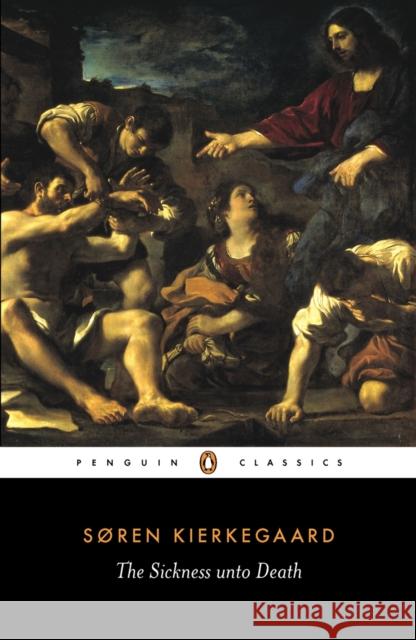
Influencing philosophers such as Sartre and Camus, and still strikingly modern in its psychological insights, Kierkegaard's The Sickness Unto Death explores the concept of 'despair' as a symptom of the human condition and describes man's struggle to fill the spiritual void. Throughout history, some books have changed the world. They have transformed the way we see ourselves - and each other. They have inspired debate, dissent, war and revolution. They have enlightened, outraged, provoked and comforted. They have enriched lives - and destroyed them. Now Penguin brings you the works of the...
Influencing philosophers such as Sartre and Camus, and still strikingly modern in its psychological insights, Kierkegaard's The Sickness Unto Death ex...
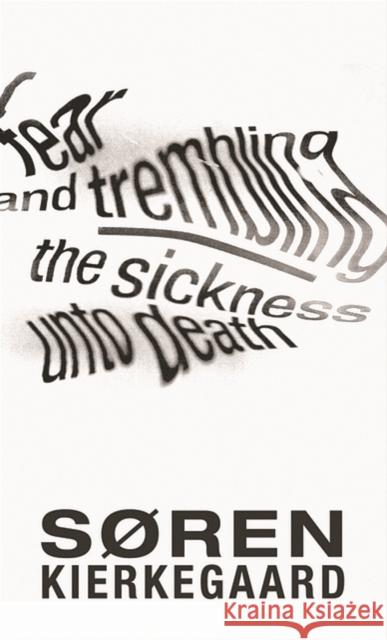
Walter Lowrie's classic, bestselling translation of Soren Kierkegaard's most important and popular books remains unmatched for its readability and literary quality. Fear and Trembling and The Sickness Unto Death established Kierkegaard as the father of existentialism and have come to define his contribution to philosophy. Lowrie's translation, first published in 1941 and later revised, was the first in English, and it has introduced hundreds of thousands of readers to Kierkegaard's thought. Kierkegaard counted Fear and Trembling and The Sickness Unto Death among...
Walter Lowrie's classic, bestselling translation of Soren Kierkegaard's most important and popular books remains unmatched for its readability and ...
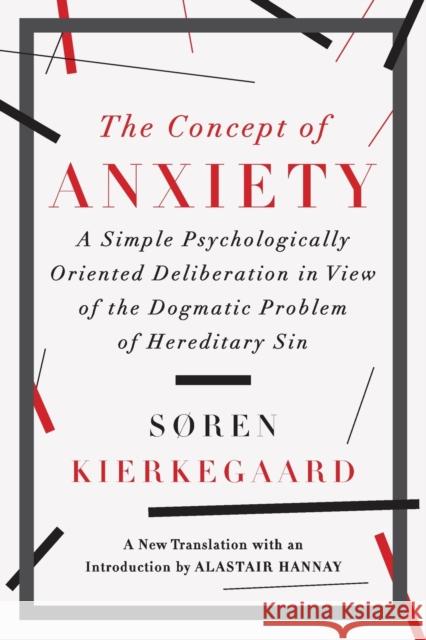
Brilliantly synthesizing human insights with Christian dogma, Soren Kierkegaard presented, in 1844, The Concept of Anxiety as a landmark "psychological deliberation," suggesting that our only hope in overcoming anxiety was not through "powder and pills" but by embracing it with open arms. While Kierkegaard's Danish prose is surprisingly rich, previous translations the most recent in 1980 have marginalized the work with alternately florid or slavishly wooden language. With a vibrancy never seen before in English, Alastair Hannay, the world's foremost Kierkegaard scholar, has...
Brilliantly synthesizing human insights with Christian dogma, Soren Kierkegaard presented, in 1844, The Concept of Anxiety as a landmark "...