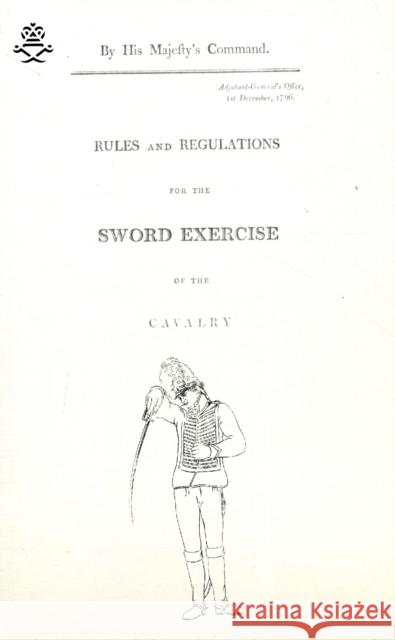
A fascinating instructional manual of sword exercises for the Cavalry, authorised by King George III for use throughout the Cavalry Corps. Published in December 1796 during the French Revolutionary Wars, this book is especially notable for its fine and beautifully printed drawings and diagrams illustrating sword positions, cuts and grips. Fans of swordsmanship and horsemanship alike should possess this remarkable book.
A fascinating instructional manual of sword exercises for the Cavalry, authorised by King George III for use throughout the Cavalry Corps. Published i...
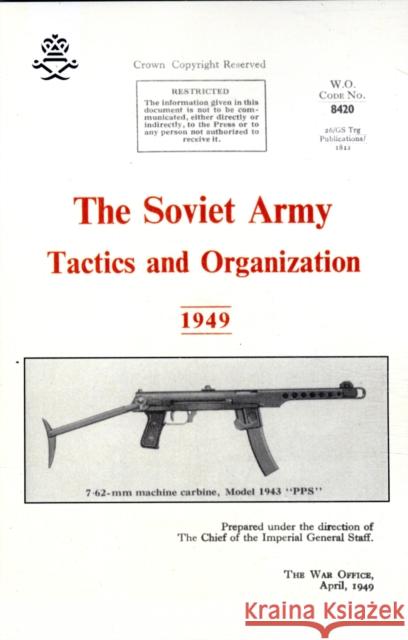
At the end of the Second World War, it quickly dawned on the West that the defeat of one totalitarian enemy - Hitler's Germany - had left another, our late ally turned potential foe: Soviet Russia. This official assessment of the Red Army's strength and standing, published in 1949, is therefore of consuming interest to students of the Cold War. It comprises a history of the Red Army from its formation in 1918 after the Bolshevik Revolution to its triumph in the Second World War. Then follows a section on the army's command and control structure; notes on its post-war re-organisation; and two...
At the end of the Second World War, it quickly dawned on the West that the defeat of one totalitarian enemy - Hitler's Germany - had left another, our...
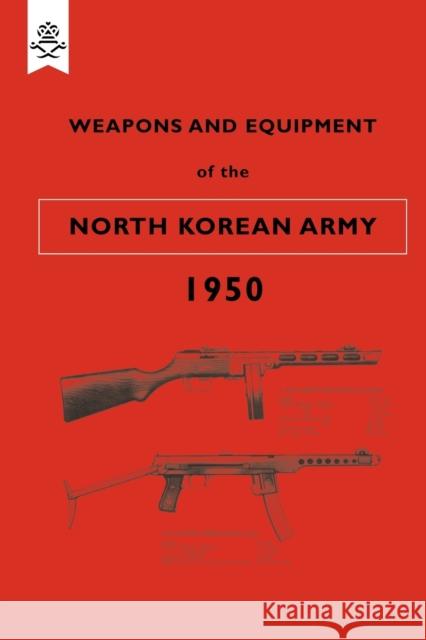
Published in a hurry after Britain and other UN members went to war with Communist North Korea in the wake of its invasion of South Korea in 1950, this booklet gathers in one slim volume as much useful information on the chiefly Russian-made weapons and equipment used by the secretive state. Illustrated with pictures and diagrams of the weapons and tanks British troops would face in the war.
Published in a hurry after Britain and other UN members went to war with Communist North Korea in the wake of its invasion of South Korea in 1950, thi...
Volunteers have always been a feature of Britain's armed forces - from the Saxon Housecarls to the Home Guard. The Victorian period saw a particular upsurge in Volunteers and Yeomanry Units, which had the effect of freeing Britain's small professional army from home duties to garrison the far-flung Empire. This booklet sums up standard procedures for drill and rifle musketry taught to the volunteers. Its aim is simplicity - so that the rudiments can be imparted in the shortest possible time.
Volunteers have always been a feature of Britain's armed forces - from the Saxon Housecarls to the Home Guard. The Victorian period saw a particular u...
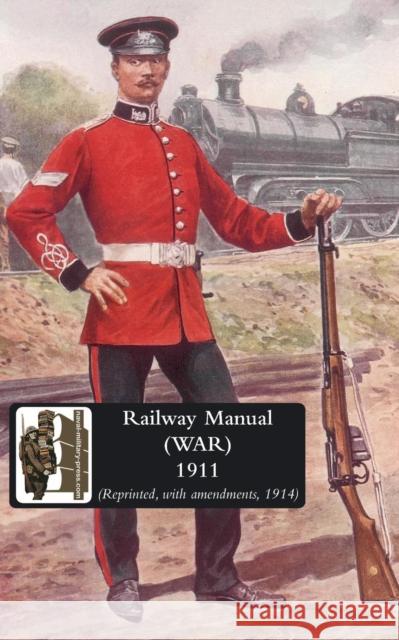
This 1911 manual on transporting troops by rail was reprinted with amendments after the outbreak of war in 1914. War by rail timetable - when vast numbers of men were moved by rail - was a vital part of the opening weeks of the war. The manual covers the general duties of railway transport personnel; the entraining and detraining of troops; the movement of stock supplies and animals; ambulance trains; armoured trains; the capacity of rolling stock and co-operation with and supervision of civilian railway personnel. It provides a very detailed picture of the organisation of railway traffic in...
This 1911 manual on transporting troops by rail was reprinted with amendments after the outbreak of war in 1914. War by rail timetable - when vast num...
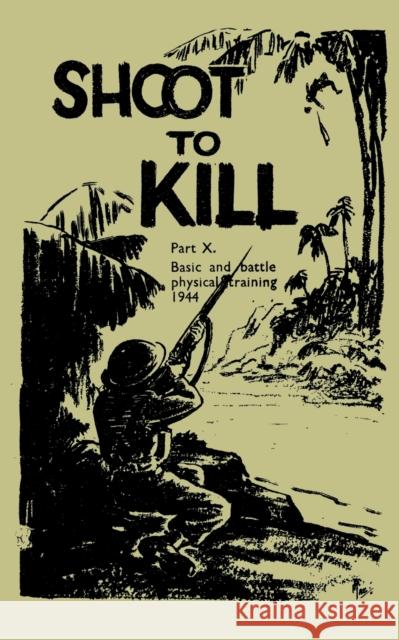
This is a pictorial (there are photos, drawings and diagrams on every page) manual of basic battle training with rifles for infantrymen in 1944 in the latter sages of the Second World War. Originally restricted in circulation, its aim is to enable soldiers to acquire complete mastery over their weapons in action. It shows how rifles are to be handled by day and night; at rest or in movement, and shows a series of physical exercise by which complete facility with the weapon can be achieved.
This is a pictorial (there are photos, drawings and diagrams on every page) manual of basic battle training with rifles for infantrymen in 1944 in the...
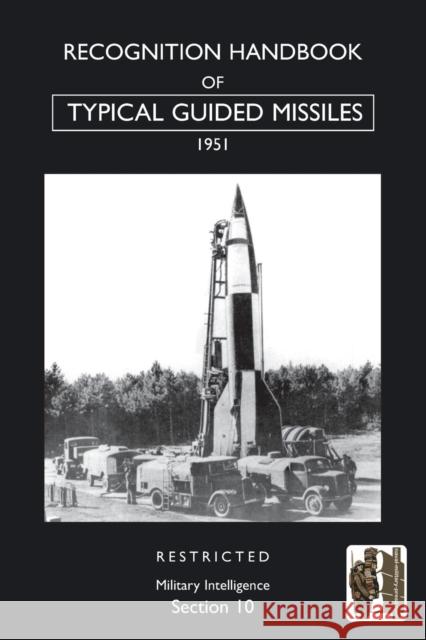
'''MI 10''', or '''Military Intelligence, section 10, ''' was a department of the British (Directorate of Military Intelligence), part of the (War Office). It was responsible for weapons and technical analysis during and after World War II Written at the dawn of the space age and of the Cold War this secret manual - originally for the use of a restricted circle of intelligence officers - gives a guide to the state of guided missile science at the time. It is inevitably largely based on German sources since the rocket science presided over by that controversial genius, Wernher von Braun, was...
'''MI 10''', or '''Military Intelligence, section 10, ''' was a department of the British (Directorate of Military Intelligence), part of the (War Off...
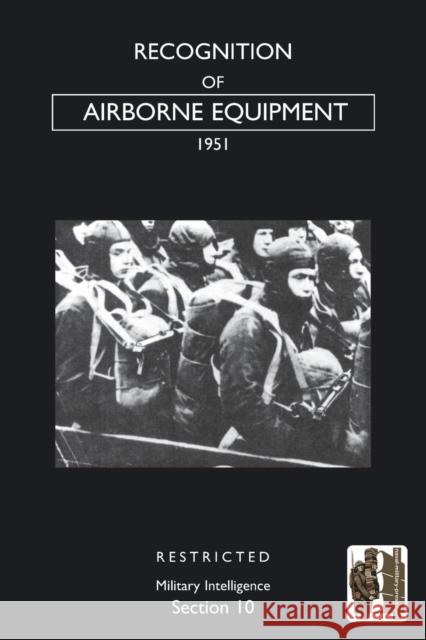
'''MI 10''', or '''Military Intelligence, section 10, ''' was a department of the British (Directorate of Military Intelligence), part of the (War Office). It was responsible for weapons and technical analysis during and after (World War II). This restricted handbook intended for the use of intelligence officers gives a secret guide to the recognition of aircraft flying in 1951 - at the dawn of the Cold War. There are sections on Transport aircraft, military gliders, Parachutes, Airborne containers, Heavy dropping techniques and air freighting accessories.
'''MI 10''', or '''Military Intelligence, section 10, ''' was a department of the British (Directorate of Military Intelligence), part of the (War Off...
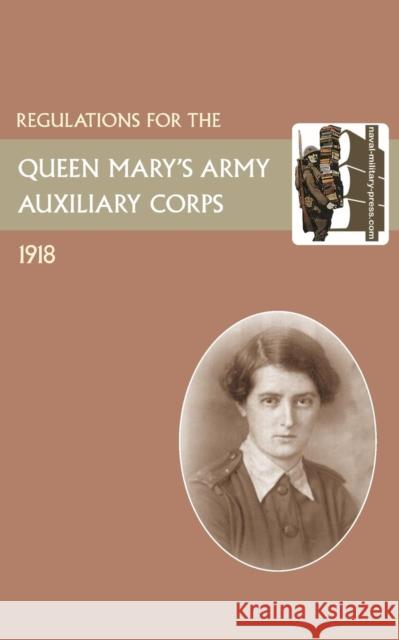
The Queen Mary's Army Auxiliary Corps was set up in 1917 to augment and assist the hitherto exclusively male British Army, buckling under the strain of four years of war. More than 50,000 QMAAC women served in France and Flanders in administrative and service capacities in the last year of the war - though none were in front line combat zones. (The last QMAAC veteran died as recently as 2008). Historically important a marking a major milestone in the role of women in the British Army, this is the Corps rule book - the 'Kings regs' for the 'Queen's Corps'.
The Queen Mary's Army Auxiliary Corps was set up in 1917 to augment and assist the hitherto exclusively male British Army, buckling under the strain o...
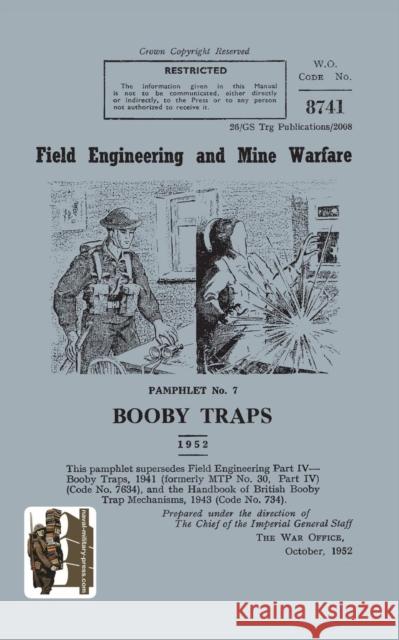
This War Office pamphlet, issued in 1952 at the dawn of the Cold War, updates one issued ten years earlier at the star of the Second World War. Its purpose is to introduce soldiers to booby trap bombs ('a cunning contrivance') commonly used by the British army - and to warn them against similar devices set by the enemy. The devices described and illustrated are of four basic types: a 'Pull' type - triggered by the pulling of a trip wire; 'Push' types, triggered by the application of pressure such as a foot stepping on a plunger; 'Release' devices triggered by the lifting of an apparently...
This War Office pamphlet, issued in 1952 at the dawn of the Cold War, updates one issued ten years earlier at the star of the Second World War. Its pu...