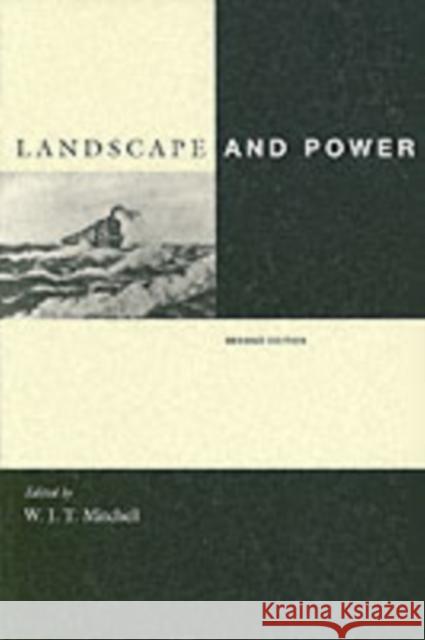
The first edition of this book, published in 1994, reshaped the direction of landscape studies by considering landscape not simply as an object to be seen or a text to be read, but as an instrument of cultural force, a central tool in the creation of national and social identities. This second edition adds not only a new preface, but five new essays from Edward Said, W. J. T. Mitchell, Jonathan Bordo, Michael Taussig, and Robert Pogue Harrison-extending the scope of the book in remarkable ways. "
The first edition of this book, published in 1994, reshaped the direction of landscape studies by considering landscape not simply as an object to be ...
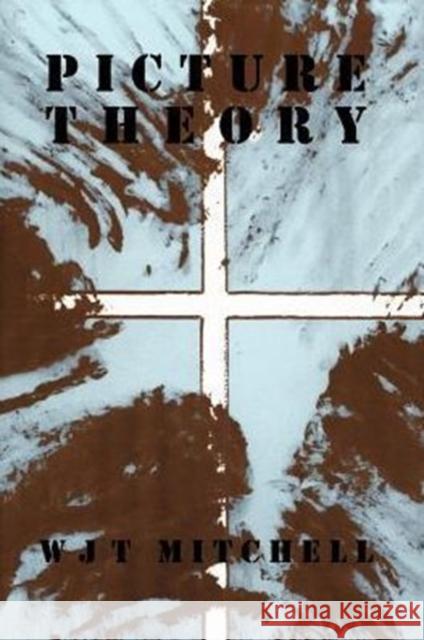
What precisely, W. J. T. Mitchell asks, are pictures (and theories of pictures) doing now, in the late twentieth century, when the power of the visual is said to be greater than ever before, and the "pictorial turn" supplants the "linguistic turn" in the study of culture? This book by one of America's leading theorists of visual representation offers a rich account of the interplay between the visible and the readable across culture, from literature to visual art to the mass media.
What precisely, W. J. T. Mitchell asks, are pictures (and theories of pictures) doing now, in the late twentieth century, when the power of the visual...
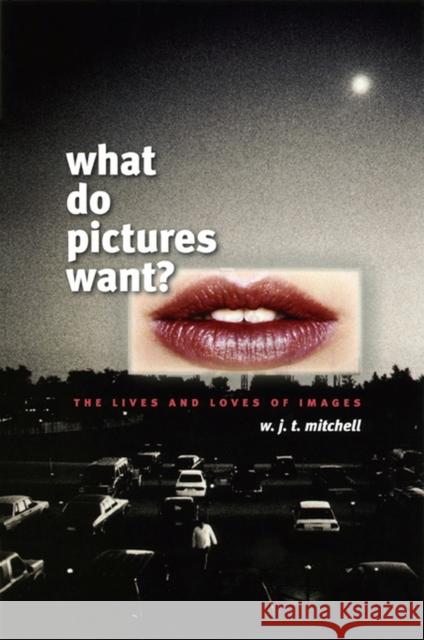
Why do we have such extraordinarily powerful responses toward the images and pictures we see in everyday life? Why do we behave as if pictures were alive, possessing the power to influence us, to demand things from us, to persuade us, seduce us, or even lead us astray? According to W. J. T. Mitchell, we need to reckon with images not just as inert objects that convey meaning but as animated beings with desires, needs, appetites, demands, and drives of their own. What Do Pictures Want? explores this idea and highlights Mitchell's innovative and profoundly influential thinking on...
Why do we have such extraordinarily powerful responses toward the images and pictures we see in everyday life? Why do we behave as if pictures were al...
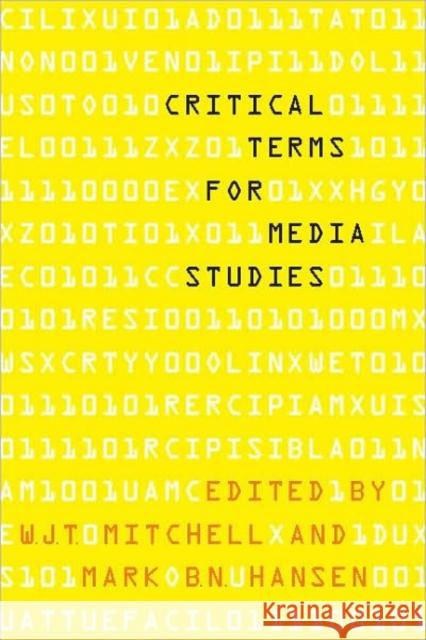
Communications, philosophy, film and video, digital culture: media studies straddles an astounding array of fields and disciplines and produces a vocabulary that is in equal parts rigorous and intuitive. Critical Terms for Media Studies defines, and at times, redefines, what this new and hybrid area aims to do, illuminating the key concepts behind its liveliest debates and most dynamic topics. Part of a larger conversation that engages culture, technology, and politics, this exciting collection of essays explores our most critical language for dealing with the qualities and modes...
Communications, philosophy, film and video, digital culture: media studies straddles an astounding array of fields and disciplines and produces a voca...
" Mitchell] undertakes to explore the nature of images by comparing them with words, or, more precisely, by looking at them from the viewpoint of verbal language. . . . The most lucid exposition of the subject I have ever read."-Rudolf Arnheim, Times Literary Supplement
" Mitchell] undertakes to explore the nature of images by comparing them with words, or, more precisely, by looking at them from the viewpoint of verb...