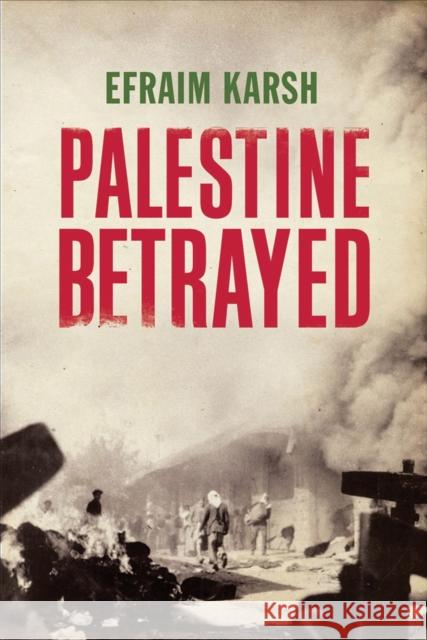
The 1947 UN resolution to partition Palestine irrevocably changed the political landscape of the Middle East, giving rise to six full-fledged wars between Arabs and Jews, countless armed clashes, blockades, and terrorism, as well as a profound shattering of Palestinian Arab society. Its origins, and that of the wider Arab-Israeli conflict, are deeply rooted in Jewish-Arab confrontation and appropriation in Palestine. But the isolated occasions of violence during the British Mandate era (1920-48) suggest that the majority of Palestinian Arabs yearned to live and thrive under peaceful...
The 1947 UN resolution to partition Palestine irrevocably changed the political landscape of the Middle East, giving rise to six full-fledged wars ...
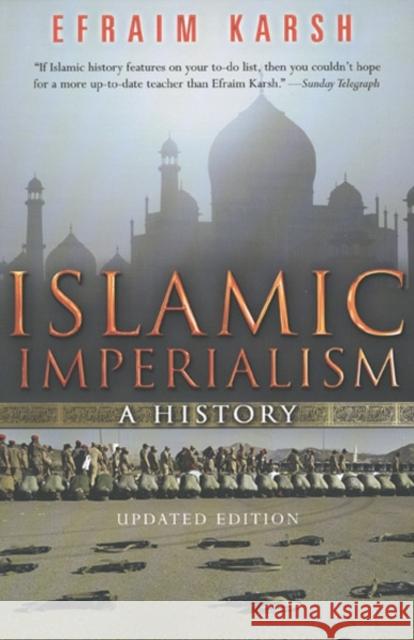
From the first Arab-Islamic Empire of the mid-seventh century to the Ottomans, the last great Muslim empire, the story of the Middle East has been the story of the rise and fall of universal empires and, no less important, of imperialist dreams. So argues Efraim Karsh in this highly provocative book. Rejecting the conventional Western interpretation of Middle Eastern history as an offshoot of global power politics, Karsh contends that the region's experience is the culmination of long-existing indigenous trends, passions, and patterns of behavior, and that foremost among these is Islam's...
From the first Arab-Islamic Empire of the mid-seventh century to the Ottomans, the last great Muslim empire, the story of the Middle East has been the...