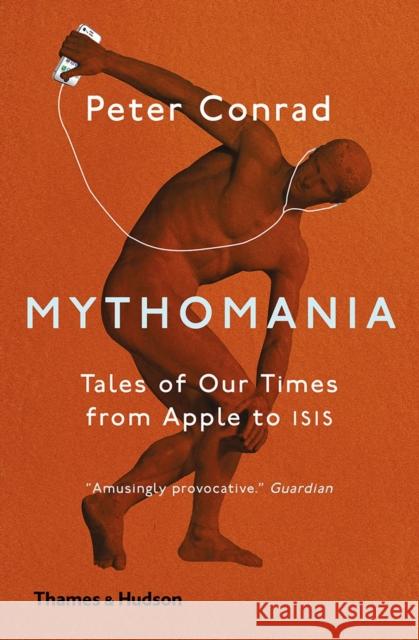
Despite a proclaimed respect for scientific reason, humans are still as intrigued by myth as their remote ancestors. Laptops and smartphones are sold under a logo that invokes the forbidden fruit of the Garden of Eden; skimpily clad classical nymphs cavort in TV reality shows; Narcissus makes a comeback whenever we snap a selfie. Mythical creatures such as handsome vampires abound in best-selling novels. Myth has also invaded the political realm, now that terrorists brandish black flags and recite theological mantras as they martyr themselves.
In twenty-seven self-contained entries,...
Despite a proclaimed respect for scientific reason, humans are still as intrigued by myth as their remote ancestors. Laptops and smartphones are so...
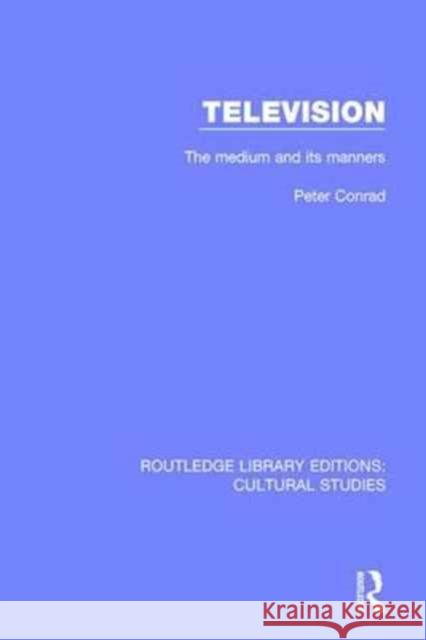
It dominates our lives. It is the twentieth-century medium. And yet we're all a little sheepish when it comes to television, disowning it by disavowal or by inventing subtle, innocuous disguises for it. Why is this? In this book, first published in 1982, Peter Conrad argues that our unease stems from the way that the medium works: it absorbs the messages it transmits, it invents a reality of its own and ends by luring the world into the confines of its box. Television's achievement is to have estranged us from the reality which it puports to represent, but which it actually...
It dominates our lives. It is the twentieth-century medium. And yet we're all a little sheepish when it comes to television, disowning it by...





![Managementforschung 2: [Thema: Flache Hierarchien Und Organisatorisches Lernen] Wolfgang H Staehle, Peter Conrad, No Contributor 9783112419557 De Gruyter](/9783112419557_managementforschung_2_thema_flache_hierarchien_und_organisatorisches_lernen.jpg "Managementforschung 2: [Thema: Flache Hierarchien Und Organisatorisches Lernen]")