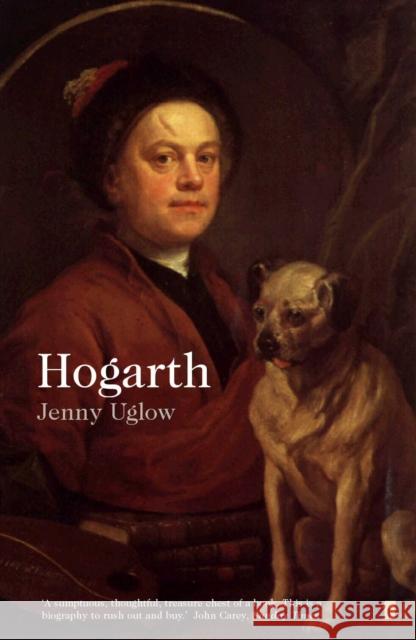
The paintings and engravings of William Hogarth, the subject of this biography, have always been popular, but outside art history little is known about his life. He moved in the worlds of theatre, literature, journalism and politics, and found subjects for his work over the whole gamut of 18th-century London, from street scenes to drawing rooms, and from churches to gambling halls and prisons.
The paintings and engravings of William Hogarth, the subject of this biography, have always been popular, but outside art history little is known abou...
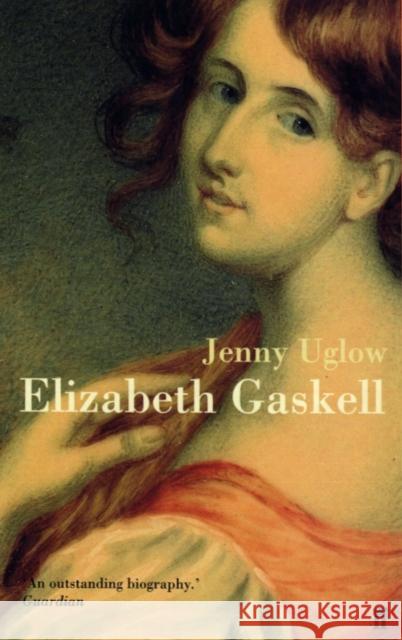
Elizabeth Gaskell won fame and notoriety as the author of Mary Barton Ruth. This biography looks at Elizabeth's life and work, looking at how Elizabeth observed, from her Manchester home, the brutal but transforming impact of industry and writing down the truth of what she observed.
Elizabeth Gaskell won fame and notoriety as the author of Mary Barton Ruth. This biography looks at Elizabeth's life and work, looking at how Elizabet...
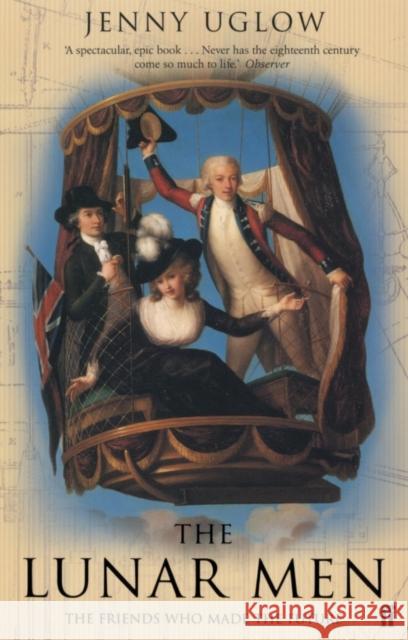
Among the group of Midlands amateur experimenters who formed the Lunar Society and kick-started the Industrial Revolution, were Matthew Boulton, Josiah Wedgewood, James Watt and Erasmus Darwin. This account uncovers the friendships, political passions and love of knowledge that drove these men.
Among the group of Midlands amateur experimenters who formed the Lunar Society and kick-started the Industrial Revolution, were Matthew Boulton, Josia...
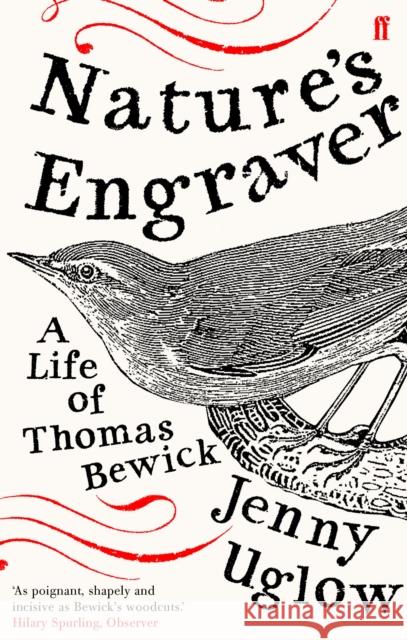
At the end of the eighteenth-century Britain fell in love with nature. Thomas Bewick's "History of British Birds" marked the moment: the first 'field-guide' for ordinary people, illustrated by woodcuts of astonishing accuracy and beauty. This biography tells a story of violent change, radical politics, lost ways of life and the beauty of the wild.
At the end of the eighteenth-century Britain fell in love with nature. Thomas Bewick's "History of British Birds" marked the moment: the first 'field-...
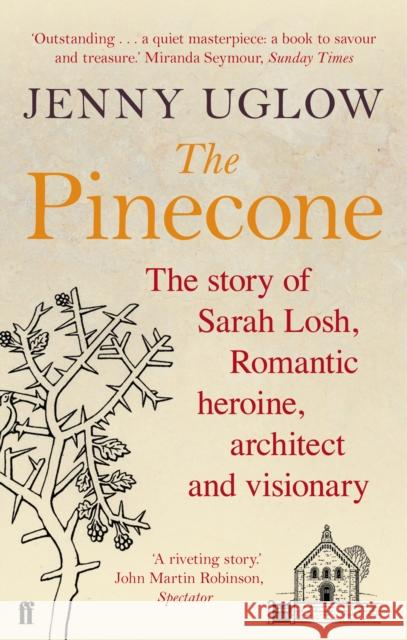
Born into an old Cumbrian family, heiress to an industrial fortune, Sarah combined a zest for progress with a love of the past. In the church, her masterpiece, she let her imagination flower - there are carvings of ammonites, scarabs and poppies; an arrow pierces the wall as if shot from a bow; a tortoise-gargoyle launches itself into the air.
Born into an old Cumbrian family, heiress to an industrial fortune, Sarah combined a zest for progress with a love of the past. In the church, her mas...
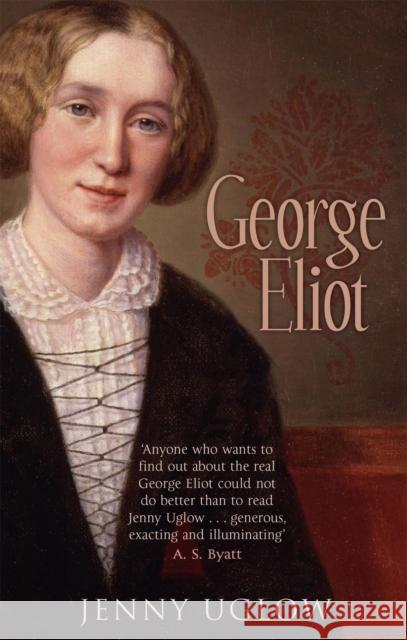
Best known for her masterpieces "Middlemarch "and "Silas Marner," George Eliot (18191880) was both one of the most brilliant writers of her day, and one of the most talked about. Intellectual and independent, she had the strength to defy polite society with her highly unorthodox private life which included various romances and regular encounters with the primarily male intelligentsia. This insightful and provocative biography investigates Eliot s life, from her rural and religious upbringing through her tumultuous relationship with the philosopher George Henry Lewes to her quiet death from...
Best known for her masterpieces "Middlemarch "and "Silas Marner," George Eliot (18191880) was both one of the most brilliant writers of her day, and o...
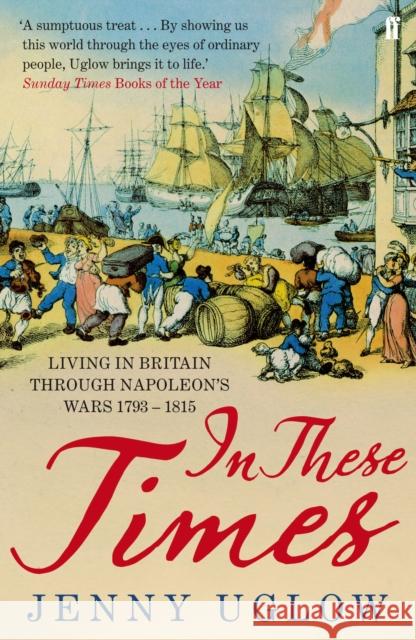
We know the thrilling, terrible stories of the battles of the Napoleonic wars - but what of those left behind? The people on a Norfolk farm, in a Yorkshire mill, a Welsh iron foundry, an Irish village, a London bank or a Scottish mountain? The aristocrats and paupers, old and young, butchers and bakers and candlestick makers - how did the war touch their lives? Jenny Uglow, the prize-winning author of The Lunar Men and Nature's Engraver, follows the gripping back-and-forth of the first global war, but turns the news upside down, seeing how it reached the people. Illustrated by the satires of...
We know the thrilling, terrible stories of the battles of the Napoleonic wars - but what of those left behind? The people on a Norfolk farm, in a York...
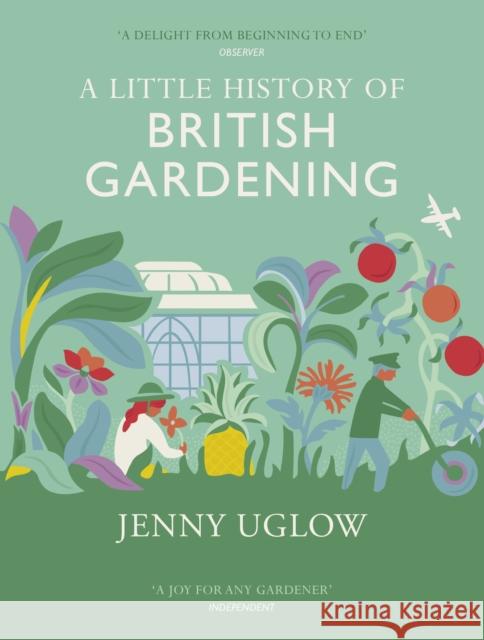
Did the Romans have rakes? Did the monks get muddy? Did the potato seem really, really weird when it arrived on our shores? This lively 'potted' history of gardening in Britain takes us on a garden tour from the thorn hedges around prehistoric settlements to the rage for decking and ornamental grasses today. It tracks down the ordinary folk who worked the earth - the apprentice boys and weeding women, the florists and nursery gardeners - as well as aristocrats and grand designers and famous plant-hunters. Coloured by Jenny Uglow's own love for plants, and brought to life in the many vivid...
Did the Romans have rakes? Did the monks get muddy? Did the potato seem really, really weird when it arrived on our shores? This lively 'potted' h...
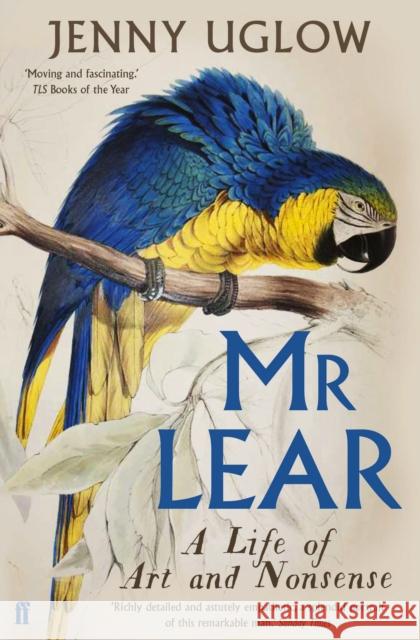
If we follow him across land and sea - to Italy, Greece and Albania, to The Levant and Egypt and India - and to the borderlands of spirit and self, art and desire, can we see, in the end, if the nonsense makes sense?
If we follow him across land and sea - to Italy, Greece and Albania, to The Levant and Egypt and India - and to the borderlands of spirit and self,...