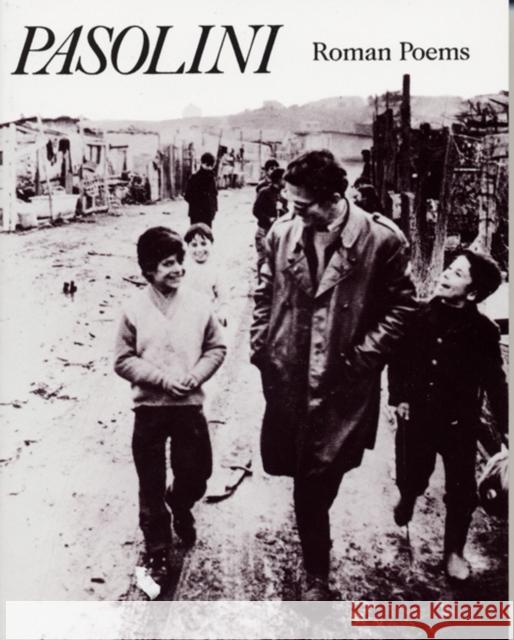
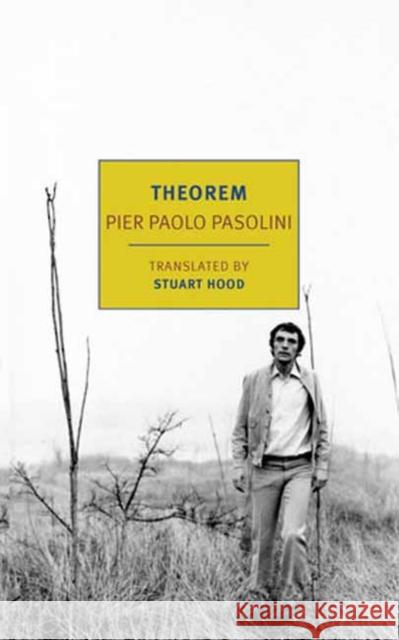
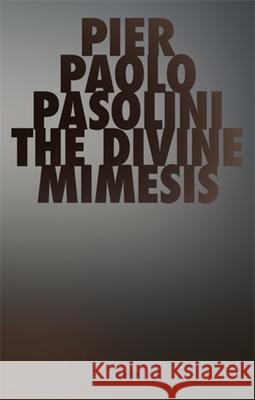
The Italian film-maker Pier Paolo Pasolini was first and always a poet--the most important civil poet, according to Alberto Moravia, in Italy in the second half of this century. His poems were at once deeply personal and passionately engaged in the political turmoil of his country. In 1949, after his homosexuality led the Italian Communist Party to expel him on charges of -moral and political unworthiness, - Pasolini fled to Rome. This selection of poems from his early impoverished days on the outskirts of Rome to his last (with a backward longing glance at his native Friuli) is at the...
The Italian film-maker Pier Paolo Pasolini was first and always a poet--the most important civil poet, according to Alberto Moravia, in Italy in th...
Zwei Romane über eine leidenschaftliche Obsession und die Erinnerung an eine fast bukolische Heimat im Friaul. 'Amado mio' ist die zarte Skizze einer ungehörigen Zuneigung, beim Baden, beim Tanz - die Erinnerung an einen heißen Sommer. Das Tagebuch über 'Unkeusche Handlungen' beschreibt den Zusammenstoß mit der Gesellschaft und ihren Normen. Zwei Texte von großer innerer Dramatik, die erst nach Pa
Zwei Romane über eine leidenschaftliche Obsession und die Erinnerung an eine fast bukolische Heimat im Friaul. 'Amado mio' ist die zarte Skizze einer...
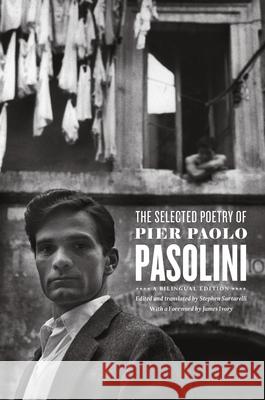
Most people outside Italy know Pier Paolo Pasolini for his films, many of which began as literary works"Arabian Nights," "The Gospel According to Matthew," "The Decameron," and "The Canterbury Tales" among them. What most people are not aware of is that he was primarily a poet, publishing nineteen books of poems during his lifetime, as well as a visual artist, novelist, playwright, and journalist. Half a dozen of these books have been excerpted and published in English over the years, but even if one were to read all of those, the wide range of poetic styles and subjects that occupied...
Most people outside Italy know Pier Paolo Pasolini for his films, many of which began as literary works"Arabian Nights," "The Gospel According to Matt...
Presented here for the first time in English is a remarkable screenplay about the apostle Paul by Pier Paolo Pasolini, legendary filmmaker, novelist, poet, and radical intellectual activist. Written between the appearance of his renowned film Teorema and the shocking, controversial Salò, or the 120 Days of Sodom, St Paul was deemed too risky for investors. At once a political intervention and cinematic breakthrough, the script forces a revolutionary transformation on the contemporary legacy of Paul. In Pasolini's kaleidoscope, we encounter fascistic movements, resistance fighters,...
Presented here for the first time in English is a remarkable screenplay about the apostle Paul by Pier Paolo Pasolini, legendary filmmaker, novelist...
Tato kniha chce zaplnit jednu z mezer v poznání díla Piera Paola Pasoliniho a přináší výbor textů, které předcházejí nebo doprovázejí, komentují a zrcadlí Pasoliniho tři biblické filmy. Pasolini se v Itálii stal ikonickou postavou uctívanou levicí i některými katolíky. Jeho umělecký odkaz komentují přední intelektuálové, odkazy na něj se ale objevují i v popkultuře. U nás je jeho dílo známo jen částečně, stále s nádechem skandálnosti a okrajovosti. Za film Tvaroh (1963) byl Pasolini odsouzen jakožto rouhač; za Evangelium svatého Matouše...
Tato kniha chce zaplnit jednu z mezer v poznání díla Piera Paola Pasoliniho a přináší výbor textů, které předcházejí nebo doprovázejí, ...