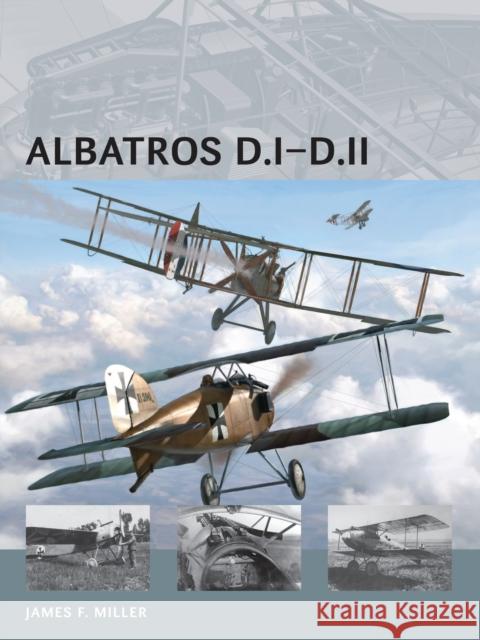
In 1916 German aerial domination had been lost to the French and British fighters. German fighter pilots requested an aircraft that was more powerful and more heavily armed, and the Albatros design bureau set to work on what was to become an iconic aircraft design. By April 1916, they had developed the Albatros D.I, that featured the usual Albatros semi-monocoque wooden construction with a 160hp Mercedes engine and two forward-firing machine guns. Alongside the development of the D.I, Albatros had also designed and built a second machine that was similar to the D.I - the Albatros D.II....
In 1916 German aerial domination had been lost to the French and British fighters. German fighter pilots requested an aircraft that was more powerful ...
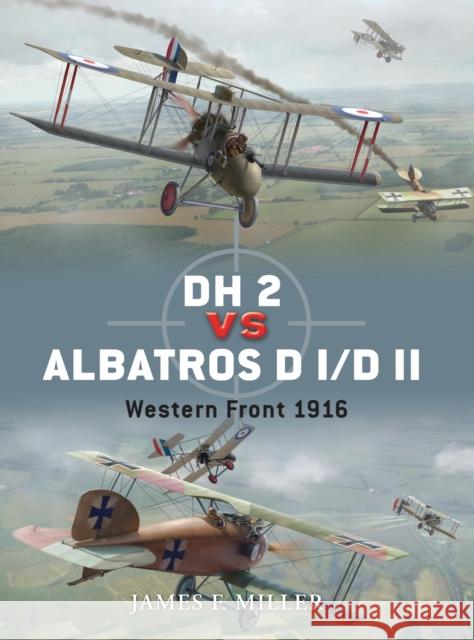
The advent and deployment of the Royal Flying Corps' Airco DH 2 in 1916 effectively eliminated the 'scourge' of aerial dominance enjoyed by the Fokker Eindecker monoplanes. Spearheaded by No 24 Sqn and led by Victoria Cross recipient Lanoe Hawker, the ungainly yet nimble DH 2 - with its rotary engine 'pusher' configuration affording excellent visibility and eliminating the need for a synchronised machine gun - had wrested air superiority from the Germans by the spring and then maintained it through the Battle of the Somme that summer. However, by autumn German reorganisation had seen the...
The advent and deployment of the Royal Flying Corps' Airco DH 2 in 1916 effectively eliminated the 'scourge' of aerial dominance enjoyed by the Fokker...