This ground-breaking volume is a follow-up to Intellectuals and Their Publics. In contrast to the earlier book, which was mainly concerned with the activity of intellectuals and how it relates to the public, this volume analyses what happens when sociology and sociologists engage with or serve various publics. More specifically, this problem will be studied from the following three angles: How does one become a public sociologist and prominent intellectual in the first place? (Part I) How complex and complicated are the stories of institutions and professional associations when they take on a...
This ground-breaking volume is a follow-up to Intellectuals and Their Publics. In contrast to the earlier book, which was mainly concerned with the ac...
Dr. Elisabeth K. Chaves Andreas Hess Neil McLaughlin
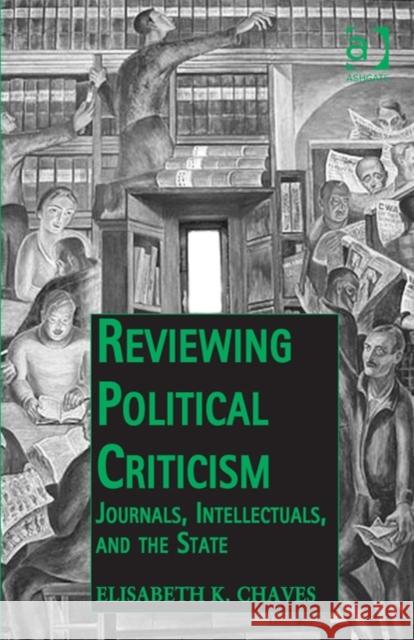
Reviewing Political Criticism examines the rise of the 'review' form of journal publication, from the early eighteenth to the early twenty-first centuries. The review belongs to a long tradition of written political criticism that first advised, then revised, and with the increased confidence afforded to civil society by the rise of market capitalism, subsequently challenged and even transformed the state's view on what and how it governed. Chaves investigates the crucial nexus of intellectual debate with political judgment over this time, and highlights the review's central role in upholding...
Reviewing Political Criticism examines the rise of the 'review' form of journal publication, from the early eighteenth to the early twenty-first centu...