During the late 1930s an armament race developed between bombers and the fighters that were bent on stopping them. The development of multi-engined, multi-gun, all-metal bombers forced a corresponding increase in fighter armament which, in turn, led to further attempts to improve bomber armament to ensure its ability to survive in the face of hostile fighters. The US Army Air Corps (USAAC) requested that powered gun turrets be fitted to its two principal long-range bombers, the B-17 Flying Fortress and the B-24 Liberator. In reviewing reports of air combat from Spain, China and the early...
During the late 1930s an armament race developed between bombers and the fighters that were bent on stopping them. The development of multi-engined, m...
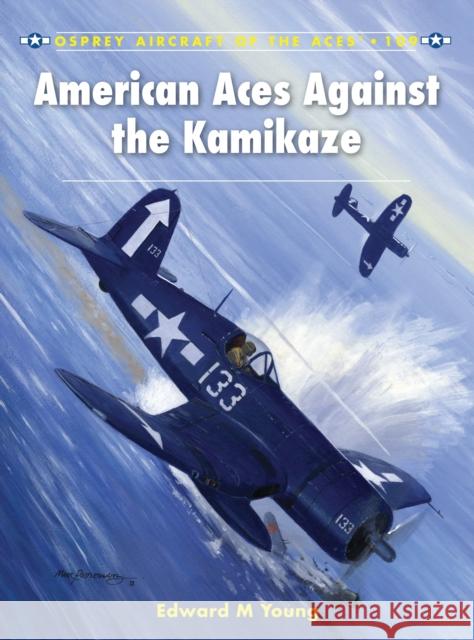
The Japanese High Command realized that the loss of Okinawa would give the Americans a base for the invasion of Japan. Its desperate response to the invasion of Okinawa was to unleash the full force of the Special Attack Units, known in the west as the Kamikaze ('Divine Wind'), in the hope of inflicting punishing casualties on the US Pacific fleet that in turn disrupted the invasion. In a series of mass attacks in between April and June 1945, more than 900 Kamikaze aeroplanes were shot down. Conventional fighters and bombers accompanied the Special Attack Units as escorts, and to add their...
The Japanese High Command realized that the loss of Okinawa would give the Americans a base for the invasion of Japan. Its desperate response to the i...